
Prime Minister Narendra Modi has called for greater domestic resource exploration and energy self-reliance, arguing that India’s dependence on imported crude oil is partly linked to past limitations in exploring its own natural resources.
Addressing the nation from the Red Fort on Independence Day, Modi said countries can be constrained not only by a shortage of resources but also by the way they approach available resources.
Offshore Exploration To Reduce Oil Dependence
Modi pointed to India’s earlier classification of nearly 99% of its offshore territory as “no-go areas”, saying the policy had restricted exploration beneath the sea. According to him, the government has now opened these areas for exploration and is working to identify new reserves.
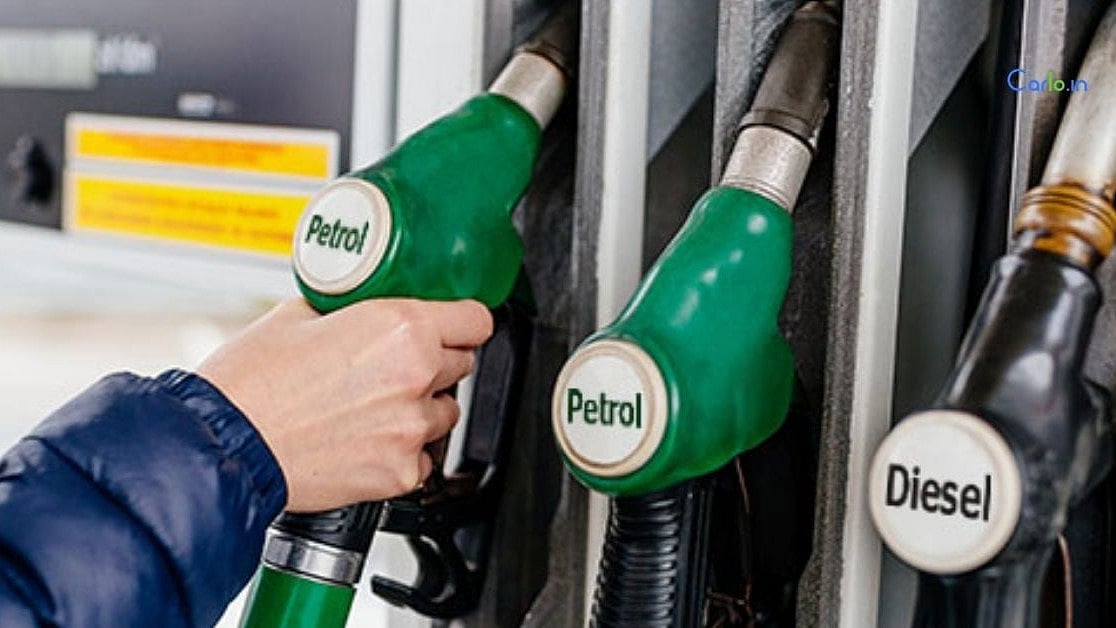
The Prime Minister linked the move to India’s broader objective of strengthening energy security. He said the country was simultaneously expanding alternative energy sources, including nuclear power, solar energy and piped gas.
Modi said India was targeting 200 GW of nuclear energy and was working on five new nuclear reactors. He also highlighted the expansion of piped gas distribution across the country.
Solar, Semiconductors And Critical Minerals
According to Modi, the number of cities with piped gas distribution has increased from around 70 before 2014 to about 700 today. Household access has also expanded, with the government working to connect nearly 1.75 crore households compared with around 20-22 lakh earlier.
Solar power has seen a major increase as well. India’s solar capacity, which stood at around 2 GW 12 years ago, has risen to 160 GW, while more than 50 lakh households are now covered by solar energy, Modi said.
The Prime Minister also highlighted efforts to reduce dependence on foreign sources of critical minerals and semiconductors. He said India was emerging as a supplier of critical minerals to other countries.
On semiconductor manufacturing, Modi said three major plants had already started operations and that their output would also be exported. He added that another five to eight semiconductor plants could become operational over the next seven to eight years.
Modi also renewed his call for citizens to support domestic products under the “Vocal for Local” campaign, arguing that greater reliance on Indian-made goods would support the country's broader push for self-reliance.

