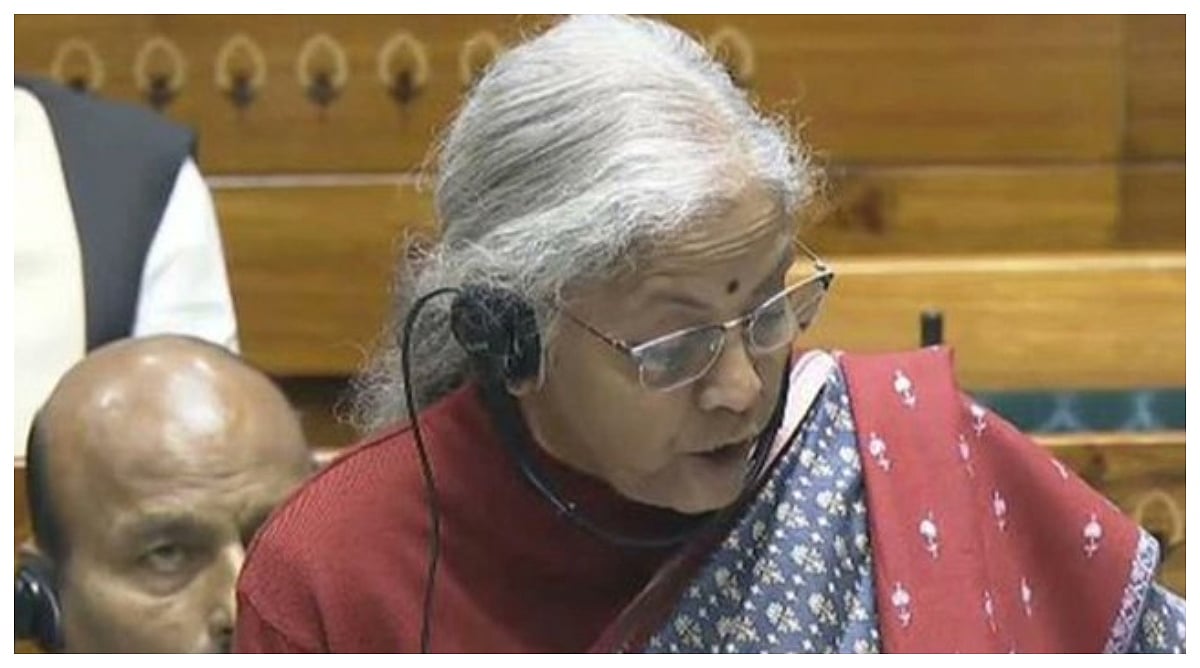
New Delhi: During the Winter Session, Parliament passed the Goods and Services Tax (Second Amendment) Bill, 2025. With this, Manipur’s GST law has now been fully aligned with India’s updated national GST framework. This isn’t just a paperwork update—it will directly impact lakhs of business owners, from small shopkeepers to manufacturers and service providers. The goal is simple: reduce tax disputes, make compliance easier, and create a uniform tax system across the country.
The bill had already passed the Lok Sabha and was returned by the Rajya Sabha without changes. Since it is a Money Bill, it automatically became law. In clear terms, Manipur’s tax rules are now completely in sync with the new GST structure applicable across India.
How the GST Slab Changes Will Impact You
One of the biggest changes is the restructuring of GST rates. The central government is gradually moving toward two primary slabs—5% and 18%. This simplification will make billing easier and reduce confusion about tax rates. With fewer slabs, businesses will not have to spend time figuring out which rate applies to which product.
Simpler Rules for ITC and Returns
A major focus of the amendments is to cut down the disputes related to Input Tax Credit (ITC) and return filing. Rules around credit notes, ITC claims, pre-deposits for appeals, and return filing have been simplified. This means easier compliance for both small and big businesses, saving time and reducing legal hassles.
Relief for SEZ and Warehousing Businesses
Supplies of certain goods kept in SEZs or Free Trade Warehousing Zones will no longer be treated as “supply” under GST. This means such transactions will not attract SGST. The aim is to promote exports and reduce old tax-related disputes that affected warehousing and SEZ operations.
New System to Stop Tax Evasion
To curb fake invoices and fraudulent ITC claims, the government will apply a unique ID tracking system to certain products. Every item will carry a trackable ID, making it harder for tax evaders to generate bogus invoices. This is expected to increase transparency and protect honest businesses.
How Your Business Experience Will Change
With fewer tax slabs, billing will become easier. The updated ITC and return rules will reduce frequent disputes. SEZ and warehousing businesses will see reduced tax burden. And with better tracking, the market will become cleaner, helping genuine businesses operate with confidence.

