
New Delhi: Ola Electric Mobility Ltd is under growing pressure as frequent changes in its business plans and weak scooter sales raise fresh doubts about its future. Industry experts and investors say the company’s shifting targets and mixed signals are hurting confidence at a time when competition in the electric vehicle (EV) market is rising.
Changing Plans For The Gigafactory
One of the biggest concerns is the company’s changing view on its battery gigafactory capacity.
In July last year, after announcing its first-quarter results, the company said it did not see the need to expand capacity beyond 5GWh until FY29. Earlier, it had planned to scale up to 20GWh. Based on this slower outlook, Ola reallocated Rs 1,227 crore from its IPO funds-originally meant for expansion-to research and development and general corporate expenses.

However, the outlook changed just a few months later. After the second-quarter results in November, the company said demand from its new battery energy storage system (BESS), called Ola Shakti, would require it to expand cell manufacturing capacity to 20GWh by the second half of FY27.
Then, during the February earnings call, founder Bhavish Aggarwal again shifted the stance. He said the company would complete 6GWh capacity by March 2026 and does not expect any further expansion under the current roadmap. He added that this level would be sufficient to meet both vehicle and battery storage demand.
These repeated changes in expansion plans have left analysts questioning the company’s long-term clarity.
Store Network Expansion And Rollback
Ola Electric has also altered its strategy regarding its retail network.
In December 2024, the company said it had expanded its outlets from 800 to over 4,000 stores. This move came after facing rising complaints about after-sales service and was meant to improve customer support.
Later, management said this wide network would also help in distributing its battery storage products through 2,500–3,000 stores.
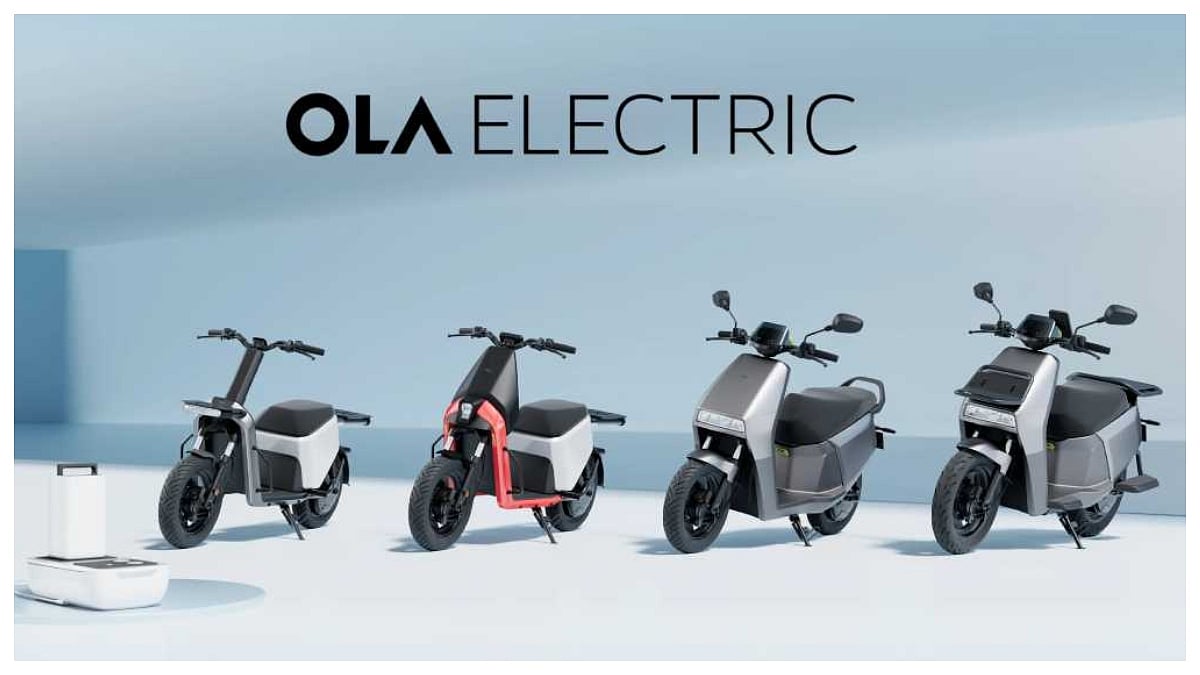
However, in its latest shareholder communication on 13 February, the company said it had reduced the number of stores from 4,000 to just 700 as part of a cost restructuring plan.
While this helped cut operating expenses—from Rs 844 crore in the March 2025 quarter to Rs 484 crore in the October–December period—the financial picture remains weak. Losses narrowed to Rs 487 crore from Rs 564 crore a year earlier, but revenue plunged 57 per cent to Rs 504 crore due to falling scooter sales.
Break-Even Target Keeps Shifting
Another area of concern is the company’s changing break-even target.
In February 2025, Ola said it needed to sell 50,000 scooters per month to break even. In May 2025, after announcing cost reductions, it lowered the number to 25,000 units per month. Most recently, on 13 February, Aggarwal further reduced the target to 15,000 units per month.
While the lower break-even point suggests improved cost control, the frequent revisions have added to investor confusion.
Meanwhile, sales have continued to decline. In calendar year 2025, Ola fell to fourth place in India’s EV market, behind TVS Motor, Bajaj Auto and Ather Energy. The company sold nearly 200,000 units last year, more than 50 per cent lower than in 2024.
Analyst Ratings Turn Negative
Brokerages are also becoming cautious. Analysts at Emkay Global Financial Services said that a recovery could take time, especially with established players strengthening their EV offerings.
According to their estimates, Ola had net debt of Rs 670 crore as of December, compared with net cash of Rs 160 crore in September. This shift from cash surplus to debt has raised concerns about the company’s financial strength.
They added that a possible strategic stake sale in the battery business could bring in much-needed funds.
Investor sentiment has also weakened. After listing in August 2024, the stock initially had more ‘buy’ recommendations. As of 17 February 2026, six analysts have a ‘sell’ rating on Ola Electric, compared with only one ‘buy’.
Earnings calls have also become shorter, with fewer analysts asking questions-another sign that interest may be cooling.
Overall, frequent strategy changes, falling sales and rising competition have created uncertainty around Ola Electric’s future direction.

