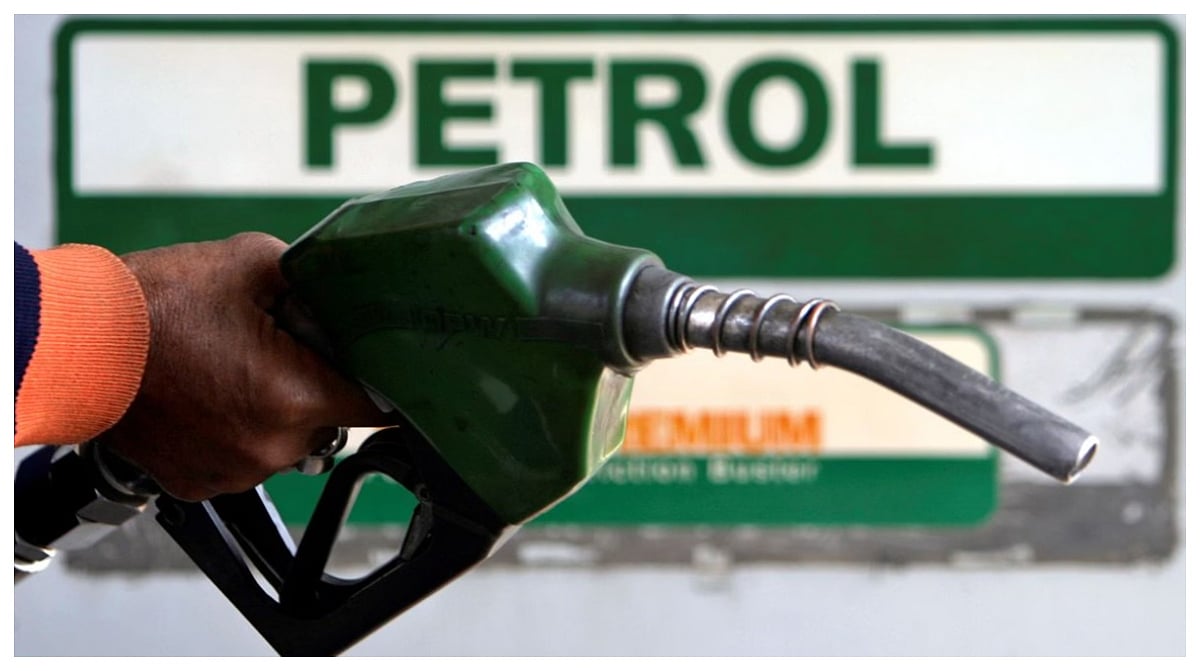
State-run oil marketing companies (OMCs) in India are unlikely to reduce retail fuel prices in the near term despite a sharp decline in global crude oil prices.
According to a report by Moneycontrol citing industry sources, refiners are prioritising recovery of significant financial losses incurred during the recent West Asia conflict and are closely monitoring whether the peace agreement in the region holds.
Analysts said OMCs are expected to adopt a cautious “wait and watch” approach before making any revisions to petrol, diesel, or LPG prices.
The companies have been facing substantial under-recoveries, which peaked at nearly Rs 1,000 crore per day before easing to around Rs 500–600 crore daily.
These losses were partially reduced after the government increased retail petrol and diesel prices by approximately Rs 7.5 per litre.
Between March and May 2026, total under-recoveries across petrol, diesel, and LPG are estimated at around Rs 1 lakh crore.
Experts believe that if the Indian crude basket remains below $90 per barrel, additional losses may remain contained at current levels.
However, uncertainty over the implementation of the peace agreement continues to keep global energy markets volatile.
The impact of the West Asia conflict has been particularly severe on LPG markets.
According to Crisil Intelligence, Saudi Aramco’s Contract Price for LPG, which serves as the benchmark for Indian imports, surged by 46% between February and June 2026 due to supply disruption risks and higher freight costs.
In Delhi, under-recoveries on domestic LPG cylinders rose to Rs 651 per cylinder in May 2026.
While prices of commercial LPG adjusted more quickly to global market trends, household consumers were partially shielded, with oil companies absorbing part of the increased procurement costs.
This led to total LPG-related under-recoveries of nearly Rs 22,000 crore during March–May 2026.
Experts noted that the recent conflict had temporarily removed around 10–11 million barrels per day from global supply chains, though about 4 million barrels were released from strategic reserves by consuming nations to stabilise markets.
Moving forward, countries are expected to rebuild inventories and strengthen buffer stocks in response to supply risks.
Analysts also warned that global crude oil prices could rise again as inventories tighten. In such a volatile environment, OMCs are likely to delay any reduction in retail fuel prices until sustained stability returns to global energy markets.

