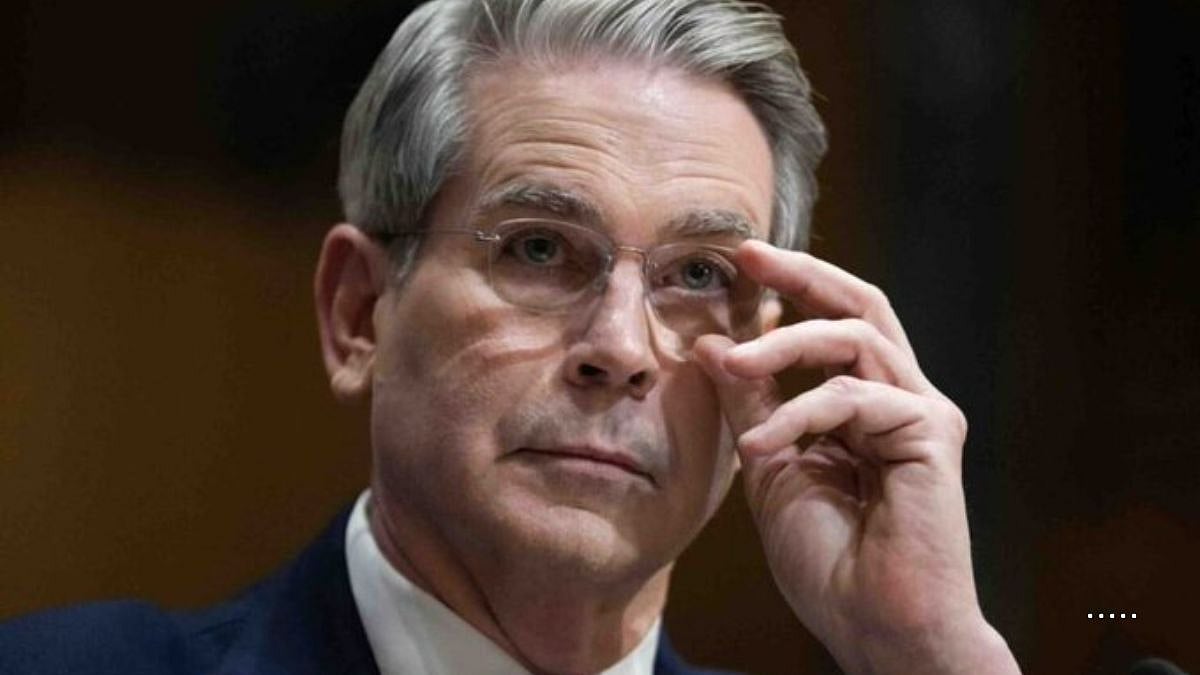
US Treasury Secretary Scott Bessent has predicted a steep decline in oil prices once the Iran conflict comes to an end, saying increased global supply could push crude prices down to as low as $40 a barrel, Bloomberg reported.
Speaking in an interview, Bessent said the oil market could face a supply surplus after the conflict, with additional production capacity expected to come online.
He suggested that crude prices could fall to the $50-$40 range as supply expands, though he did not provide a timeline for when hostilities would end.

Oil prices drive inflation and bond market concerns
Oil prices have remained elevated following recent military strikes involving the US and Iran. Brent crude was trading above $95 a barrel, while West Texas Intermediate crude was near $91, levels that have raised concerns about inflation and pushed global bond yields higher.
Bessent said oil prices and interest rates have shown an unusually strong relationship, adding that a decline in energy costs could help reduce inflation pressures and ease borrowing costs.
The rise in crude prices has contributed to concerns among investors, with the yield on 10-year US Treasury bonds reaching its highest level since 2023. Bessent expects lower energy prices after the conflict to help reverse some of those pressures.
Treasury market faces investor concerns
Bessent also played down concerns over Norway’s sovereign wealth fund considering a reduction in its US Treasury holdings. The proposed move could result in the fund cutting around $75 billion of Treasury investments, according to estimates.
The Treasury secretary said the shift would not necessarily indicate reduced confidence in US government debt, suggesting that the fund may instead be seeking higher returns through other US-backed securities, including bonds issued by Fannie Mae, Freddie Mac and Ginnie Mae.
These housing-related securities generally offer higher yields compared with traditional Treasury bonds.

