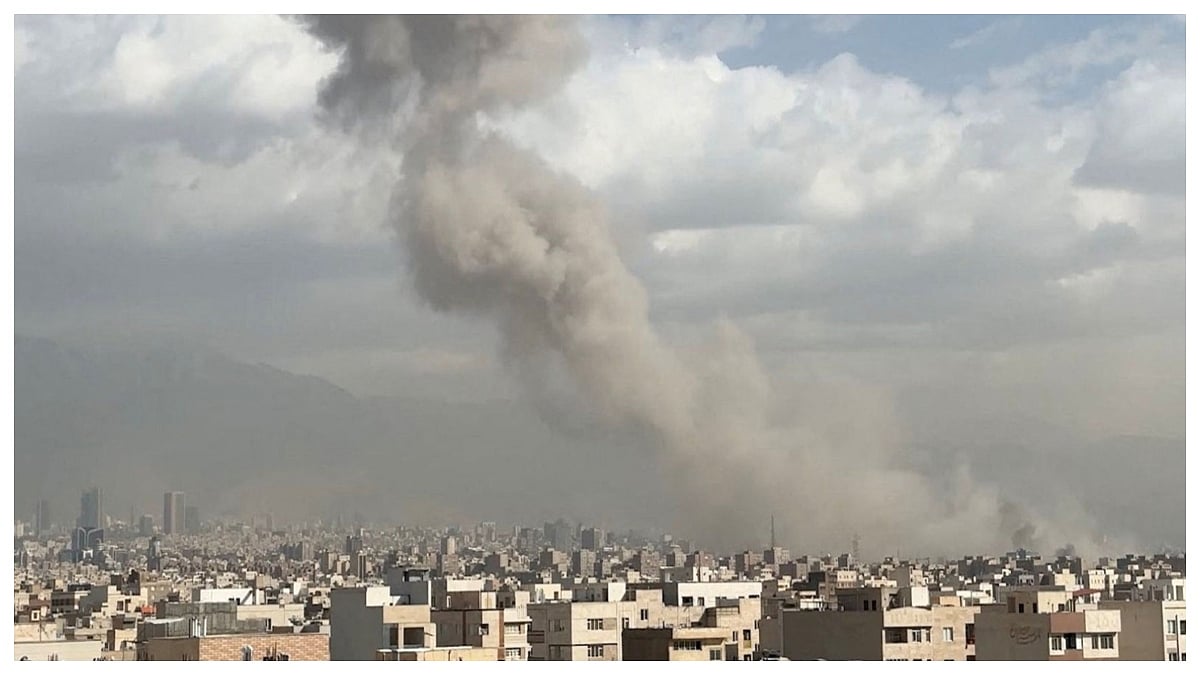
Mumbai: Natural gas prices surged more than 5 percent as rising geopolitical tensions in the Middle East shook energy markets. On MCX, prices climbed sharply to around Rs 276. The rally followed strength in US futures, where gas prices moved close to USD 3 per MMBtu.
The sudden rise shows that traders are worried about possible supply disruptions.
Focus On Strait Of Hormuz
The market’s attention is firmly on the Strait of Hormuz. This narrow sea route handles nearly 20 percent of the world’s LNG trade. A large part of global LNG exports passes through this route.



Major LNG exporter Qatar also ships most of its gas through this passage. Any delay or blockage here can directly affect global supply.
Reports suggest tanker traffic has slowed due to rising military tensions in the region. The fear of shipping delays has made traders cautious and triggered fresh buying in energy markets.
US Inventory Adds Support
Another key factor behind the price jump is US inventory data. Natural gas storage in the United States is running about 0.3 percent below the five-year seasonal average.
This means that if global supply gets disrupted, demand for US LNG cargoes could increase. Higher export demand may push prices up further.
Because of these combined factors, natural gas prices have received strong support.

Market In News-Driven Mode
Energy experts say the market is currently reacting to every headline coming from the Middle East. Price movements may remain volatile as new updates emerge.
If the situation in the Strait of Hormuz worsens, not only gas but also crude oil and other energy commodities could see further gains.
Traders are advised to stay cautious, as geopolitical risks can quickly move prices in either direction.
At present, the signal from the market is clear — fears about supply disruption are rising. Due to this, natural gas has entered a strong upward trend.
Overall, Middle East tensions are no longer just political news. They have become a major factor influencing global energy prices.
