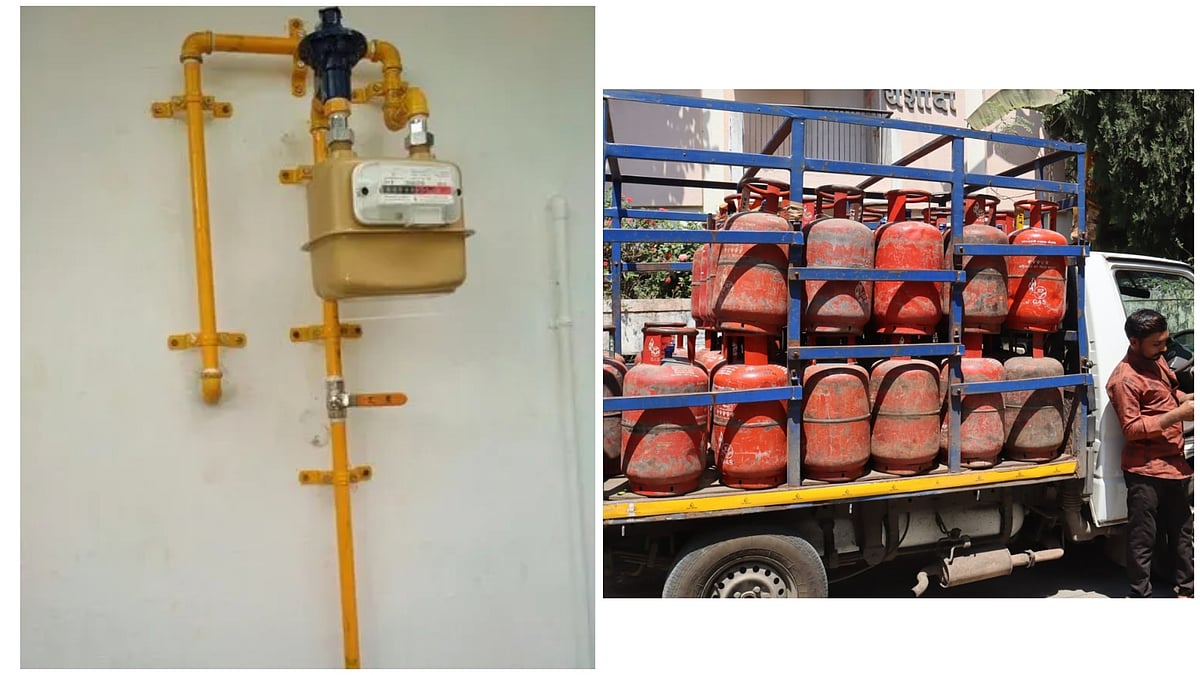
New Delhi: The government has introduced a new rule that may stop LPG supply to households if they do not switch to piped natural gas (PNG) where it is available. The order will come into effect as part of efforts to expand gas pipelines and improve energy security.
Why the government took this step?
India is facing LPG supply pressure due to the ongoing West Asia conflict. Disruptions in gas supply and shipping routes have created shortages.
To manage this, the government wants people to move to PNG, which is supplied through pipelines and does not require cylinder refills. It is seen as a more reliable and continuous fuel option.
Deadline for households
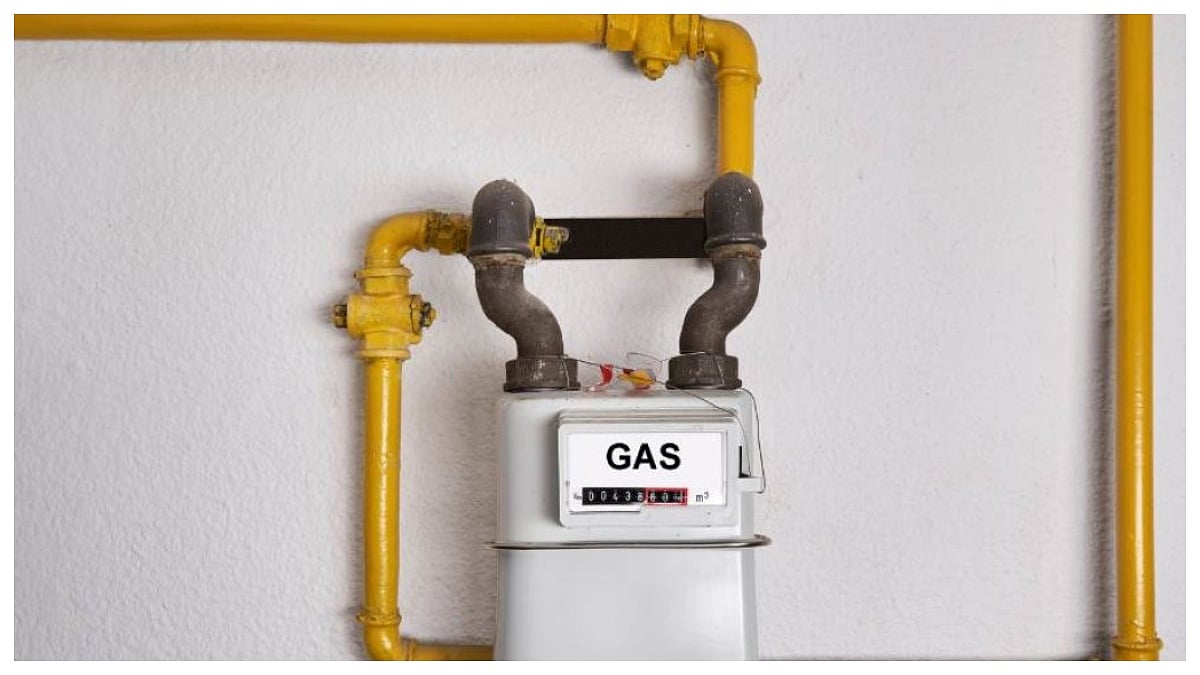
According to the order issued on March 24, LPG supply will stop after three months if a household does not switch to PNG despite availability.
However, there is an exception. If it is technically not possible to provide PNG, households can continue using LPG after getting a no-objection certificate (NOC).
Faster rollout of PNG network
The government has also made rules to speed up pipeline expansion. Authorities must give approvals within a fixed time, or it will be treated as approved automatically.
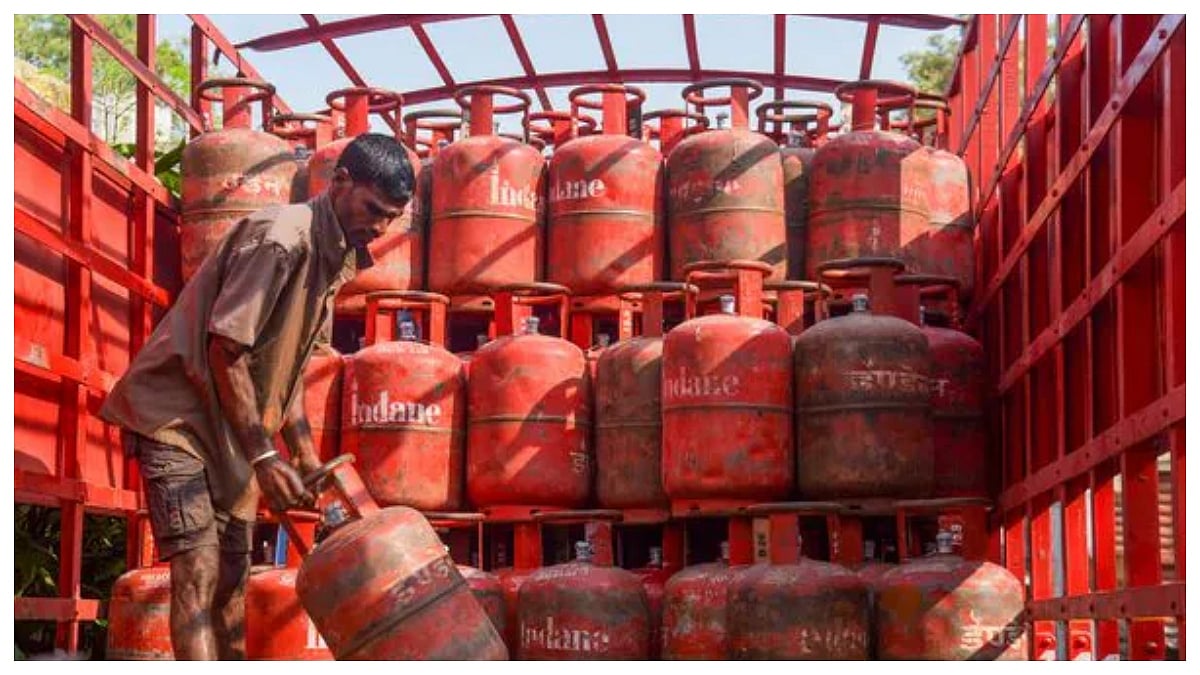
In housing societies, permissions must be given within three working days. PNG connections should be provided within 48 hours once approved. Applications cannot be rejected without valid reasons.
Strict rules for companies and authorities
Companies laying pipelines must start work within four months of approval. If they fail, they may face penalties or lose project rights.
Special officers with powers similar to a civil court will handle disputes related to land access and permissions.
Monitoring and implementation
The Petroleum and Natural Gas Regulatory Board (PNGRB) will monitor the entire process. It will track approvals, delays and compliance with the new rules.
Aim of the move
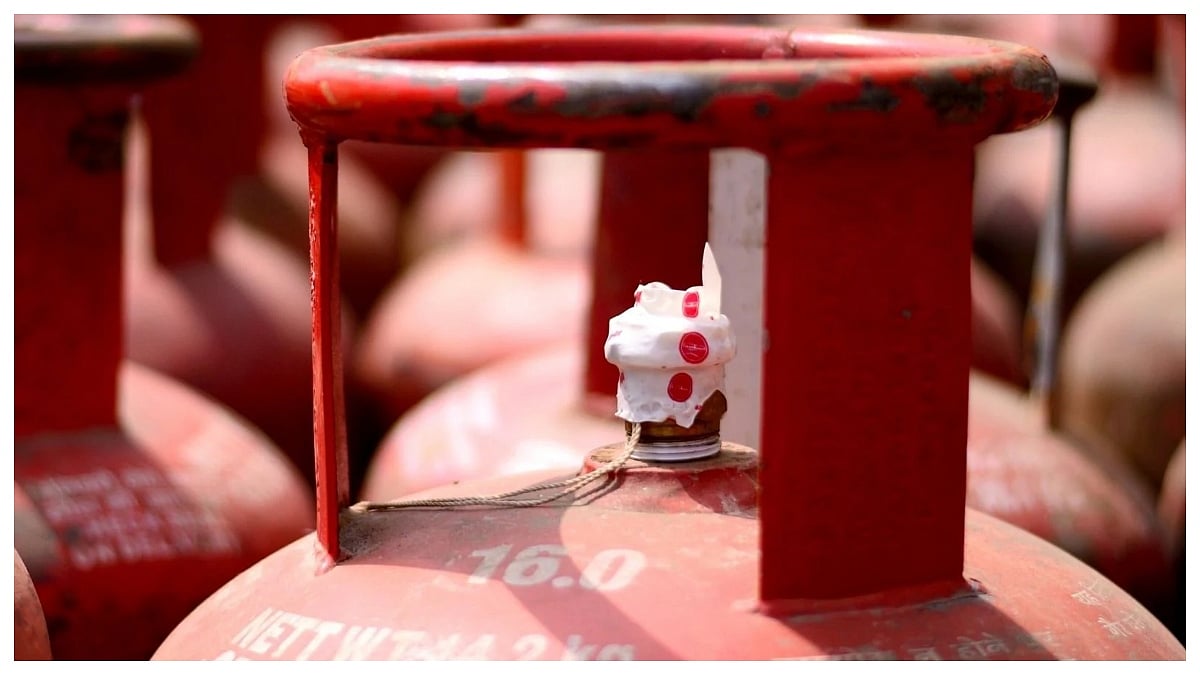
The main goal is to reduce dependence on LPG in areas where PNG is available. This will help divert LPG to regions where pipeline access is not possible.
The government also wants to promote fuel diversification and reduce risks from global supply disruptions.

