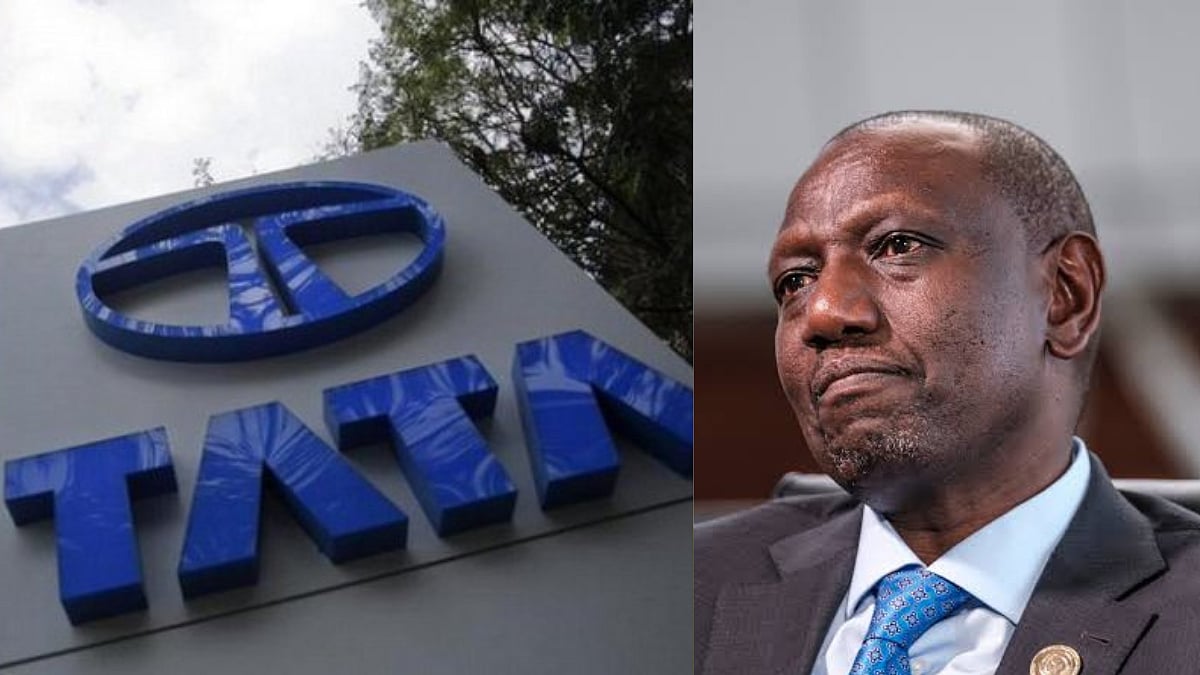
Kenyan President William Ruto has ordered Tata Chemicals to halt its operations in the country, alleging that the company’s long presence in Kenya has failed to deliver adequate economic benefits for local communities.
Ruto said the government plans to introduce two new companies to take over the activities currently managed by Tata Chemicals.
He questioned whether Kenya should continue depending on foreign companies that, according to him, have not contributed enough to domestic industrial development.
Kenya raises concerns over Tata Chemicals’ Magadi operations
The dispute follows a decision by the Kenyan government in July to direct Tata Chemicals’ local subsidiary to suspend operations at the Magadi Soda factory and stop exports of soda ash.

Ruto criticised the company’s nearly century-long presence in Kajiado, where the Magadi facility is located. He alleged that despite operating in the region for decades, Tata Chemicals had not established sufficient manufacturing capacity or created related industries locally.
The Kenyan leader said the government wanted future operators to invest in industries such as glass manufacturing and chemical production within Kajiado, instead of only extracting and exporting resources.
Tata Chemicals has not yet issued a response to Ruto’s latest remarks or the decision to stop operations.
Tata Chemicals’ role in Kenya’s soda ash industry
Tata Chemicals operates the Magadi Soda business, one of Kenya’s key industrial units involved in the production of soda ash. The chemical is widely used in industries such as glass manufacturing and other industrial processes.
The Magadi operation has become the centre of a disagreement between the company and the Kenyan government over issues related to investment, local value creation and industrial development.
Kenya’s move reflects a broader push by some African governments to increase domestic processing and ensure that foreign investments generate greater local economic benefits. The government now intends to replace Tata Chemicals’ operations with new companies that it expects will expand industrial activity in the region.
The outcome of the dispute could have implications for Tata Chemicals’ presence in Kenya and for foreign investors operating in sectors linked to natural resources and manufacturing.

