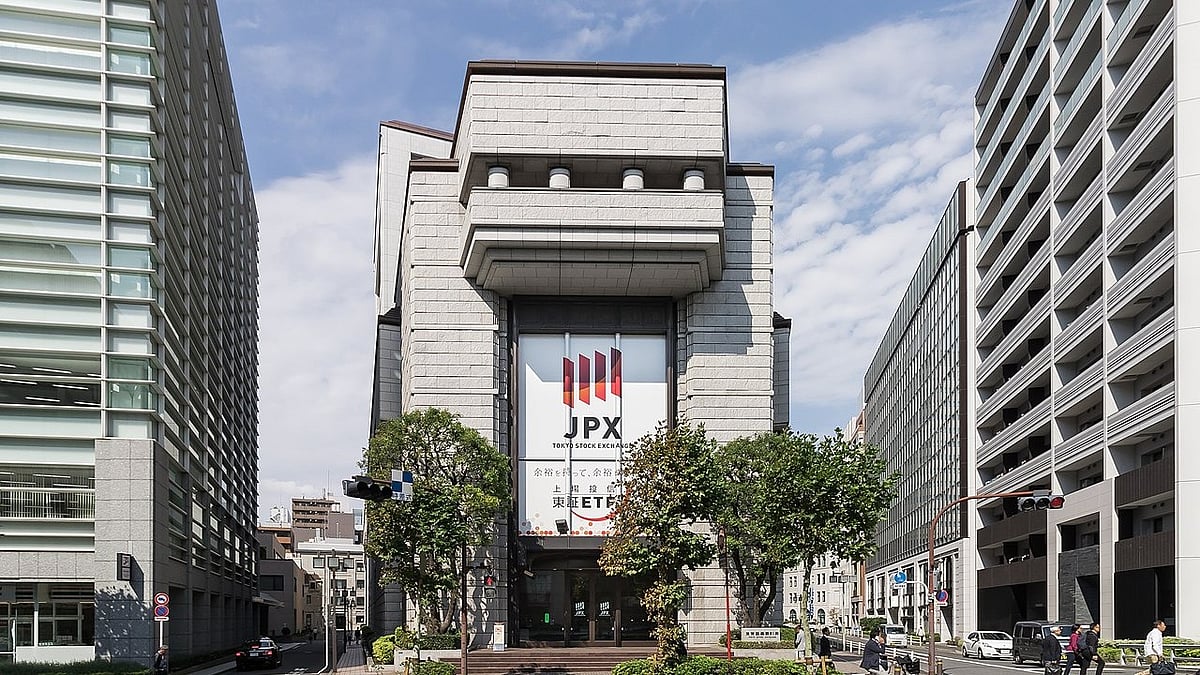
Japan’s benchmark Nikkei 225 index crossed the 70,000 level for the first time on Tuesday, marking a historic milestone as global markets rallied on easing geopolitical tensions, strong artificial intelligence-driven stock gains, and rising confidence in Japan’s economic outlook.
The index touched an intraday high of 70,020.68 before trimming some gains later in the session.
The achievement came just weeks after the index first crossed 60,000 on April 23, highlighting the rapid pace of the ongoing rally in Japanese equities.
Investor sentiment was boosted by global developments, particularly an interim agreement between the United States and Iran aimed at reopening shipping routes through the Strait of Hormuz.
The move raised hopes of stabilising global oil supplies and reducing energy market volatility, which had been a key concern for investors.
Domestically, the rally gained further momentum after the Bank of Japan raised its benchmark interest rate by 0.25%, taking it to 1%—the highest level in around 30 years.
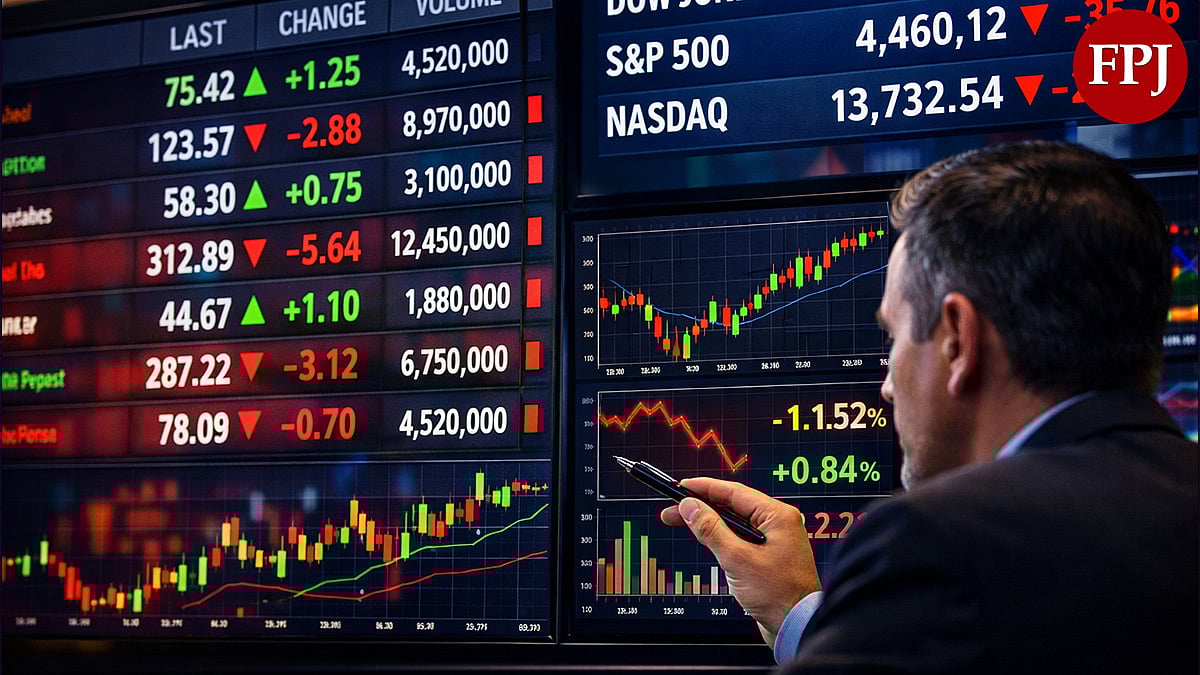
Despite the rate hike, investors interpreted the decision as a sign of confidence in Japan’s economic recovery rather than a threat to corporate profitability.
Technology stocks led the surge, mirroring strong gains in US markets.
Artificial intelligence and semiconductor-related companies saw heavy buying, while broader market participation improved on expectations that lower energy costs would support corporate margins across sectors.
The Nikkei’s record performance reflects a combination of strong corporate earnings, rising wages, shareholder-friendly policies, and sustained foreign inflows.
The recent AI boom has further strengthened investor appetite for equities.
Global cues also played a major role, with US markets posting strong gains overnight. The S&P 500, Dow Jones, and Nasdaq all advanced sharply, led by semiconductor and AI-related stocks such as Nvidia, AMD, and Micron Technology.
Oil prices also eased significantly, with Brent crude falling nearly 5% as expectations grew that shipping through the Strait of Hormuz could normalise.
US political statements further reinforced optimism about easing tensions and improving global trade flows.

