
Mumbai: The deadline to file an Income Tax Return (ITR) for the financial year 2025-26, or assessment year 2026-27, is July 31 for taxpayers who do not earn income from a business or profession.
Those who fail to file their return on time may have to pay a late fee of up to Rs 5,000.
Belated Return
If taxpayers miss the July 31 deadline for any reason, they can file a belated return until December 31. However, filing late can result in the loss of certain important tax benefits.
Taxpayers may not be allowed to carry forward business losses to future years. They may also lose the option to switch between the old and new tax regimes.
Revised Return
Even if complete details of all financial transactions are not available, taxpayers should try to file their ITR before the original deadline.
Once the missing information becomes available, they can file a revised return by December 31 and correct any mistakes or add necessary details.

Business Income
Taxpayers earning income from a business or profession have until August 31 to file their returns. Investors involved in futures and options, or F&O, and intraday trading also fall under this category.
They can therefore submit their ITR by August 31, according to the applicable filing schedule.
Income Limits
Under the old tax regime, individuals with annual income above Rs 2.5 lakh must file an ITR. Under the new tax regime, the basic income limit is Rs 4 lakh.
However, filing may still be necessary even when income is below these limits.
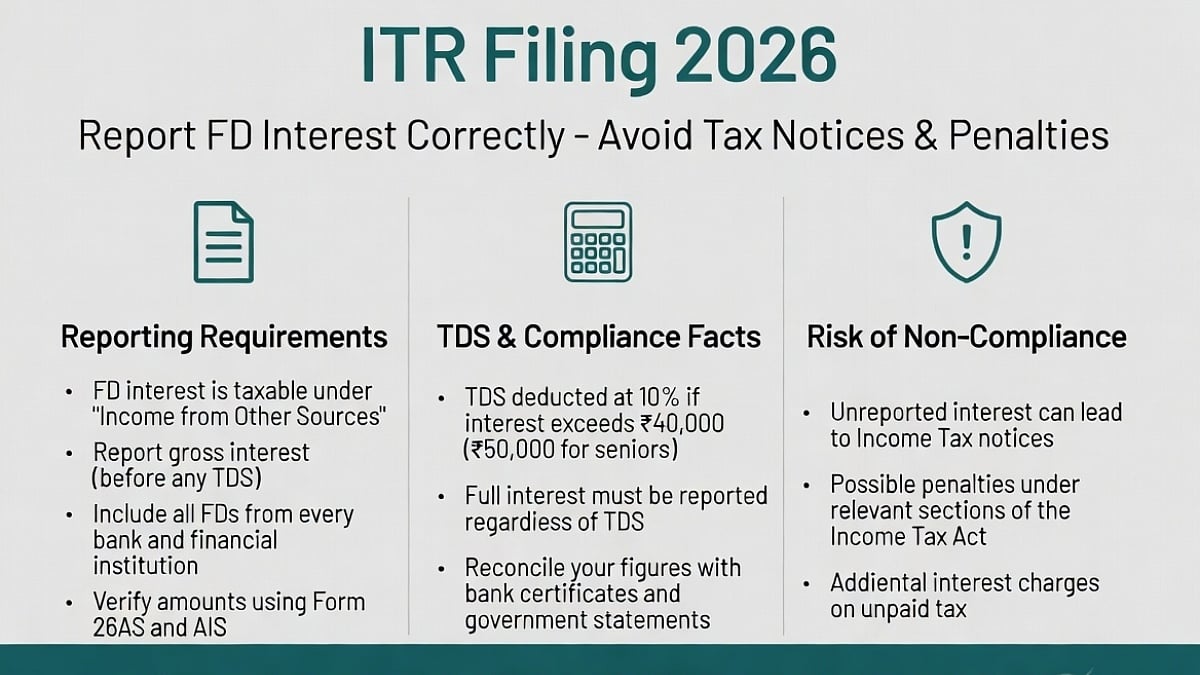
For example, taxpayers should consider filing a return if tax has been deducted at source, commonly called TDS, from their income. Filing allows them to claim any eligible tax refund.
A return should also be filed if a person has paid an electricity bill exceeding Rs 1 lakh during a financial year.
Timely filing helps taxpayers claim refunds, maintain proper income records and avoid late fees or the loss of important benefits.

