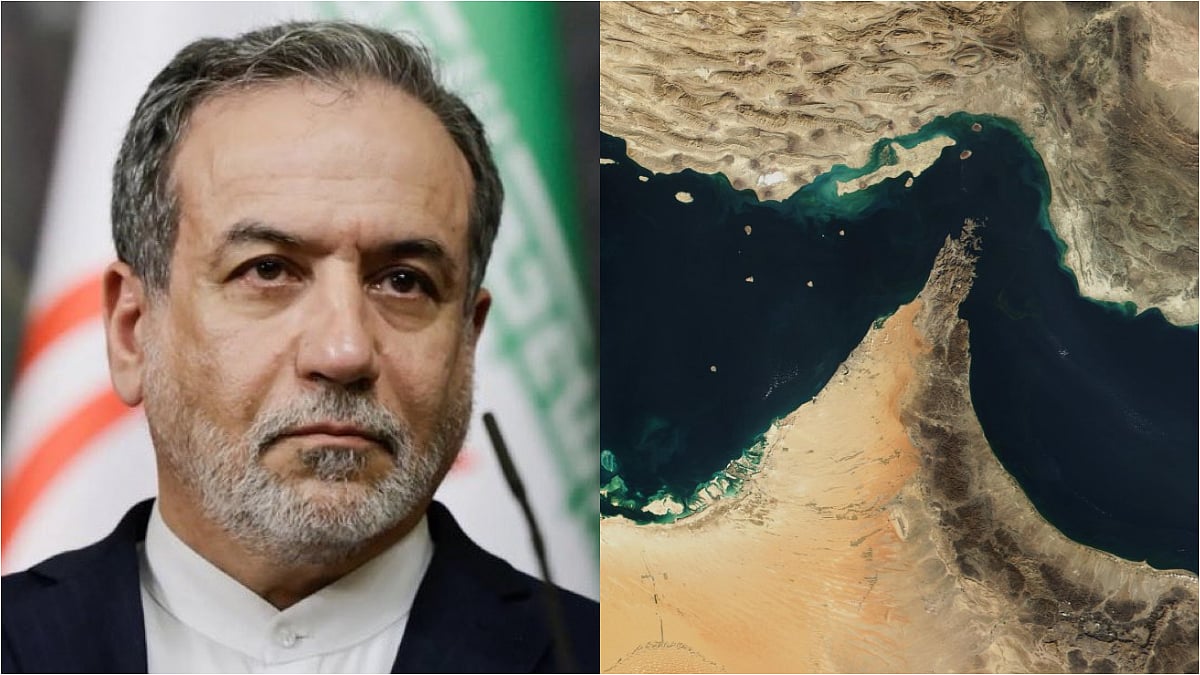
At least three tankers carrying Iranian crude oil have successfully moved through areas previously affected by a US naval blockade this week, while a fourth empty vessel is heading toward the Gulf of Oman, according to a report by Reuters.
The movements come after the United States and Iran agreed on a framework deal to reopen the strategically important Strait of Hormuz.
The development marks an early sign of the gradual resumption of Iranian oil exports, which had been severely disrupted during the conflict.
The return of these shipments is expected to increase global oil supply at a time when demand from key buyer China has remained subdued due to weak domestic refining margins.
According to data from Kpler and Vortexa cited in the report, two Very Large Crude Carriers, Hero II and Diona, each carrying around 2 million barrels of oil, have already passed through the Gulf of Oman and are heading eastward.
Another vessel, the Suezmax tanker Sonia I, carrying 1 million barrels, has also cleared the blockade area and is en route to Singapore.
Shipment records show that Hero II was loaded in late March, while Diona and Sonia I were loaded between April 8 and April 9.
Meanwhile, an Iranian-linked VLCC named Stream, currently empty, is reportedly heading toward the blockade zone, according to tracking data from Kpler and LSEG.
The US blockade had been imposed after Iran restricted shipping through the Strait of Hormuz, leading to a sharp decline in exports.
Iranian crude exports fell in May to 260,000 barrels per day, the lowest level in six years and significantly below the 2025 average of 1.67 million barrels per day.
Under the recent memorandum of understanding to end hostilities, the United States has agreed to allow Iran to resume oil sales immediately, according to a senior US official.
The prospect of increased supply from the Middle East has already contributed to a drop in global oil prices, which had surged during the conflict but recently touched three-month lows.

