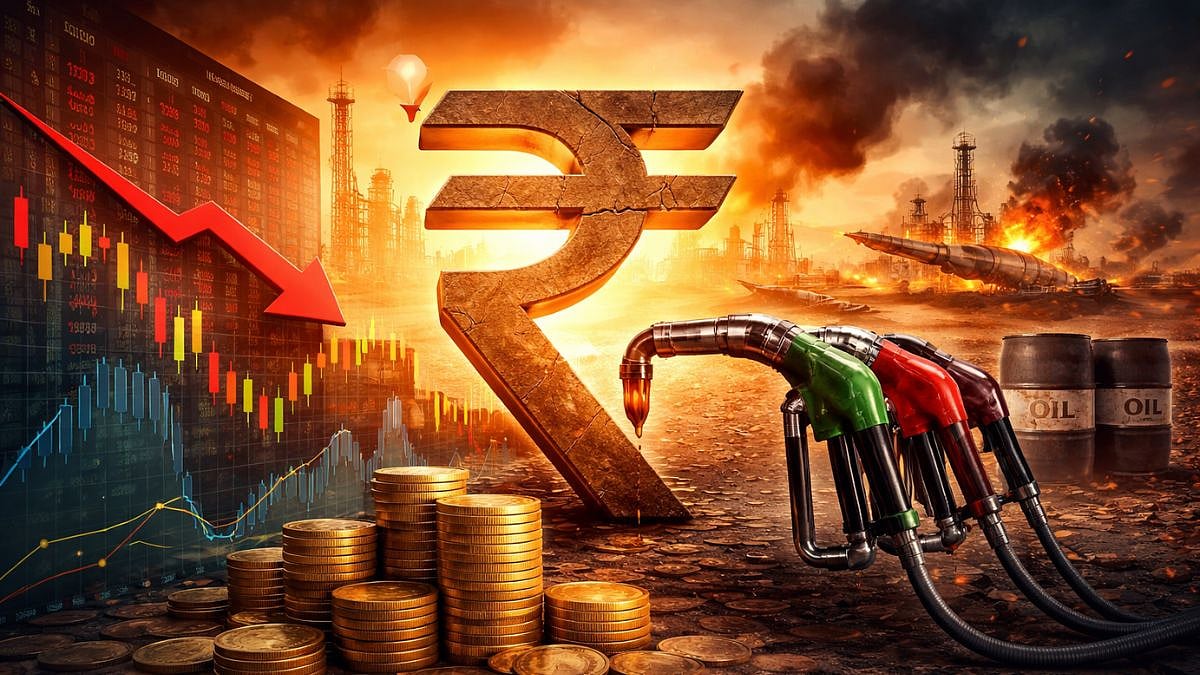
The Finance Ministry has said that India’s economic outlook remains one of “cautious resilience,” with several strengths supporting growth but new risks emerging on the inflation front.
In its Monthly Economic Review for May, the ministry said the country continues to benefit from strong services exports, adequate foreign exchange reserves and a stable labour market.
These factors provide a solid foundation for economic growth even as global uncertainties continue to weigh on economies worldwide.
However, policymakers have been advised to remain vigilant as rising energy prices, a weakening rupee and weather-related risks could pose fresh challenges in FY27.
Strong Fundamentals Support Growth
According to the report, India enters the new fiscal year with several economic advantages.
Strong services exports continue to generate foreign exchange earnings, while healthy reserves provide a buffer against external shocks.
The labour market has also remained stable, helping support domestic consumption and economic activity.
The ministry noted that these strengths should help the economy maintain growth momentum despite a challenging global environment.
However, it stressed that growth protection will require coordinated action across monetary, fiscal and structural policy areas.

Inflation Risks Begin To Build Up
The report warned that inflation risks are increasing and require close monitoring.
Officials pointed to a growing gap between retail inflation and wholesale inflation, suggesting that cost pressures are building within the production system.
While these higher costs have not yet been fully passed on to consumers, the ministry said the transmission could happen in the coming months.
Recent increases in petrol and diesel prices could further add to inflation through both direct and indirect channels.
Higher transport and logistics costs often push up prices across multiple sectors of the economy.

Monsoon And Energy Prices Under Watch
The ministry also highlighted concerns over the possibility of a below-normal monsoon.
A weak monsoon could affect agricultural output and increase food prices, adding to inflationary pressures already driven by higher energy costs.
Officials said any policy response would depend on whether these pressures become persistent and clearly visible in economic data.
For now, the government is closely monitoring developments before taking additional measures.

