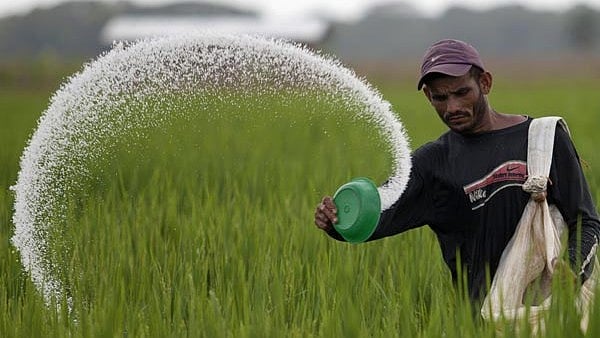
India’s urea production capacity has been been significantly impacted due to the ongoing war in the Gulf region, making the current situation “very vulnerable”, according to a report by The Economic Times citing a government official.
Natural gas is a key component used in the production of urea. Since India is dependent on the war-torn region for a majority of its gas supply, the country’s urea production capacity has been affected ahead of the crucial kharif sowing season.
However, the government is diversifying its sources to minimise the impact.
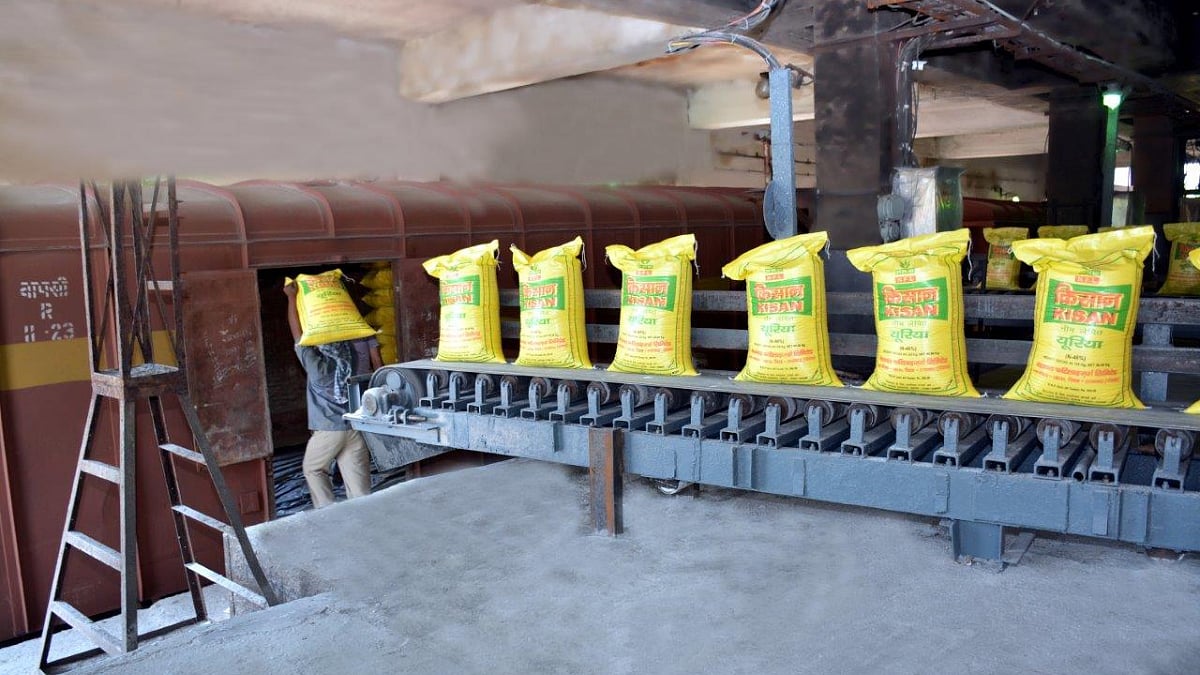
April and May are crucial for stocking ahead of crop cycles. Officials consider these months relatively lean for farm activity, which will allow time to bridge supply gaps through imports.
“We have lined up multiple imports for these months,” the report cited Aparna S. Sharma, Joint Secretary in the Department of Fertilizers, as saying.
The government has directed state administrations to check panic buying or hoarding so that the situation remains stable amid the crisis.
“Government is taking proactive measures to diversify sourcing of fertilisers from countries like Russia, Morocco, Australia, Indonesia, Malaysia, Jordan, Canada, Algeria, and Egypt,” Sharma added.

Moreover, the government is pushing states to promote alternative fertilisers such as ammonium sulphate and triple super phosphate to ease pressure on urea demand.
The tactic is in line with the government’s approach of promoting alternate sources amid the war. It has allowed distribution of kerosene under the Public Distribution System (PDS) and through select retail outlets of state-owned oil marketing companies.
On the fuel front, Sharma said that the country has an adequate quantity of petrol and diesel to meet its energy needs.
To ease pressure on cooking fuel supplies, allocation of commercial LPG has been increased to 70 percent.
In addition, around 2.6 lakh 5-kg free trade LPG (FTL) cylinders have been sold over the past week under the Ujjwala scheme, primarily to support migrant workers.
