
Silver imports into India are beginning to recover after a prolonged disruption caused by the introduction of a new licensing system, with traders looking to benefit from elevated domestic prices and premiums.
According to a report by Bloomberg, around 89.81 tonnes of silver entered India in August through the India International Bullion Exchange (IIBX) in Gujarat’s GIFT City. The imports followed a six-month period during which no shipments were recorded through the platform.
India is among the world’s biggest silver consumers and relies heavily on imports to meet domestic demand. The supply constraints have pushed local prices above international levels, encouraging traders to bring the metal into the country.
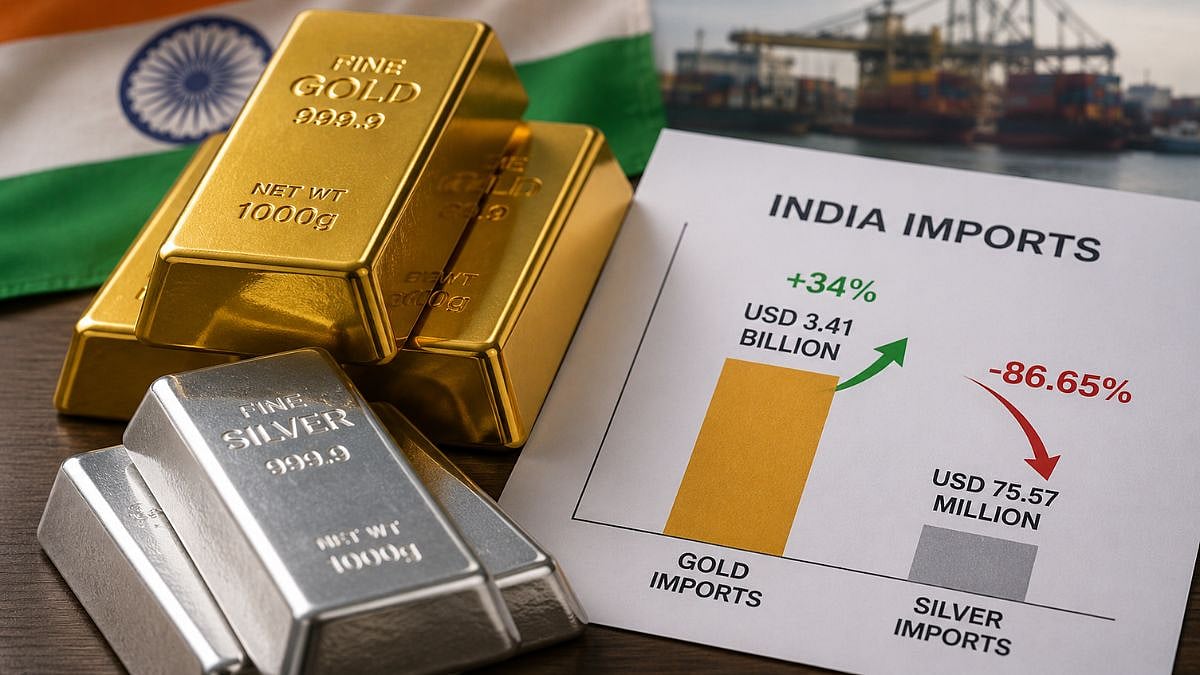
New licences boost silver shipments
Several banks and traders have obtained the necessary licences under the new import regime. Metals Focus estimates that approximately 400 tonnes of import licences have been approved.
India introduced licensing requirements for silver imports in May as part of measures aimed at protecting foreign-exchange reserves. The move caused shipments to fall sharply, leaving supplies well below domestic requirements.
Documentation continues to delay imports
Despite the approval of licences, the recovery in imports remains gradual because traders are facing additional paperwork. Each shipment is expected to carry a certificate establishing its country of production.
Traders say this government-issued certificate is an unusual requirement outside imports conducted under free trade agreements.
The documentation has resulted in delays at customs, prompting some importers to favour suppliers capable of providing the required certificates more quickly.
The situation could become more challenging as jewellers prepare to rebuild inventories ahead of the upcoming festival and wedding season, when silver demand typically receives a boost.
However, analysts caution that obtaining an import licence does not immediately translate into additional market supply. Shipping, customs procedures and refining can take several weeks.
As a result, the Indian market is still largely dependent on existing inventories and limited incoming shipments rather than a full recovery in silver flows.

