India’s PMI (Purchasing Managers’ Index) declined to 56.5 in March compared to 58.9 in the previous month.
PMI measures the growth in private sector activity. A PMI above 50 indicates expansion, while a reading below 50 indicates contraction in activity.
Compiled by S&P Global, the HSBC flash PMI for March was at its lowest level since October 2022. According to the companies surveyed to measure the index, the war in West Asia and volatile market conditions have weighed on growth.
The HSBC flash Services PMI also posted a decline to 57.2 in March compared to 58.1 in February. On the other hand, flash manufacturing PMI stood at 53.8 in March compared to a robust 56.9 in February.
According to the report, while input costs are at their 45-month high, selling charges have increased at the fastest rate in seven months.
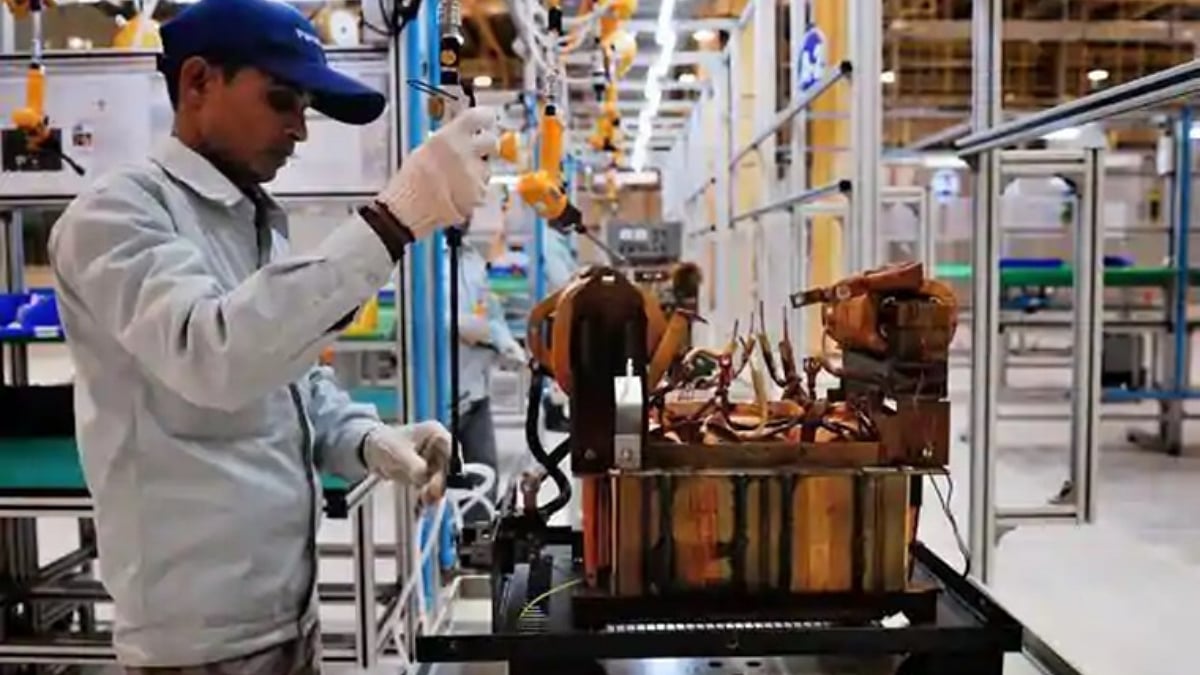
The largest slowdown was seen among goods producers, who reported that the war in West Asia weighed on production growth by exacerbating market instability, driving inflationary pressures higher, and restricting demand through heightened future uncertainty among clients.
The war has also affected the magnitude of new orders for manufacturing and services firms.
“Output growth eased across both manufacturing and services as the energy shock unfolds. Softer domestic demand weighed on new orders, which rose at the slowest pace in more than three years, despite a record surge in new export orders. Cost pressures intensified, but companies are absorbing part of the increase by squeezing margins,” said Pranjul Bhandari, Chief India Economist at HSBC.
The report noted that prices of commodities like aluminium, chemicals, electronic components, energy, food, iron ore, leather, oil, rubber, and steel are at their four-year highs. Price pressures were more intense in services, the report said.
The decline in PMI indicates that the war has already started to take a toll on the Indian economy, which was riding on the recent GST rejig. Since India imports about 80 percent of its energy needs, the rise in fuel prices could derail the government’s targets for GDP growth and fiscal deficit.

