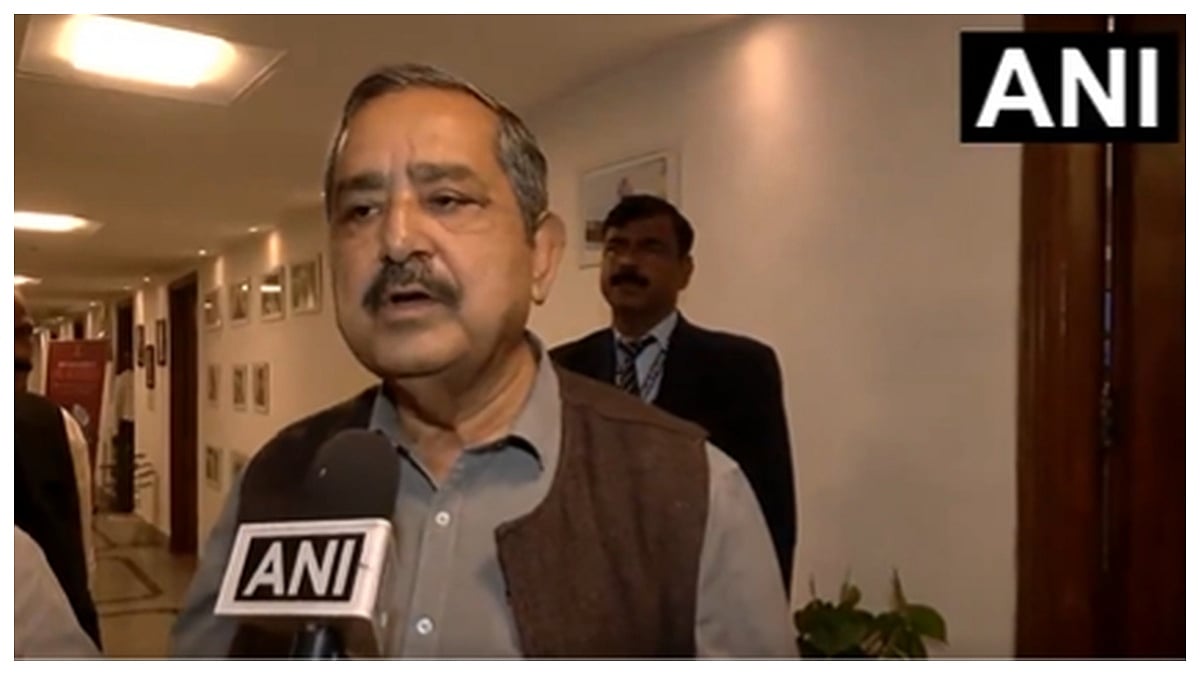
New Delhi: NITI Aayog Vice Chairman Ashok Lahiri said India’s manufacturing sector had recorded a compound annual growth rate of 10.8 percent, a pace he described as realistic given that the overall economy was growing at 7–7.5 percent. He said India could aspire to lift manufacturing growth to 12 percent.
“10.8 percent when the overall economy is growing at 7–7.5 percent is not too bad,” Lahiri said. “But again, as I said, I’m an ambitious guy, so why not 12 percent?”
Room to grow
Lahiri said his ambitions for manufacturing would rise as the sector grew faster. “If it reaches 12, I’ll ask, ‘Why not 13?’” he said, while describing the current 10.8 percent pace as a respectable performance in the context of India’s economic record since independence.

He said India had made progress in manufacturing since independence, though its performance had lagged that of other East Asian economies and Japan during their periods of rapid growth.
Lahiri used the comparison to put the 10.8 percent figure in perspective. Manufacturing was growing faster than the wider Indian economy, he said, while the experience of Japan and other East Asian economies showed how much further India could aim to go.
Cheaper crude
On falling crude oil prices, Lahiri said India stood to benefit because it imports most of its hydrocarbons. He said lower prices would reduce the cost of inputs and energy for businesses while cutting the country’s import bill.

“Your inputs become cheaper, your energy costs become cheaper, your import bill becomes smaller, so it’ll be a great benefit,” he said.
Lahiri described the decline in hydrocarbon prices as a “supply push”. The benefit, he said, would come through lower costs for producers that use energy and hydrocarbon-based inputs, as well as through a smaller bill for the fuel India buys from overseas. For an economy that depends heavily on imported hydrocarbons, he said, both channels would help as global prices fell.
Level up your brain the fun way. Play daily games and quizzes on FPJ Smart!

