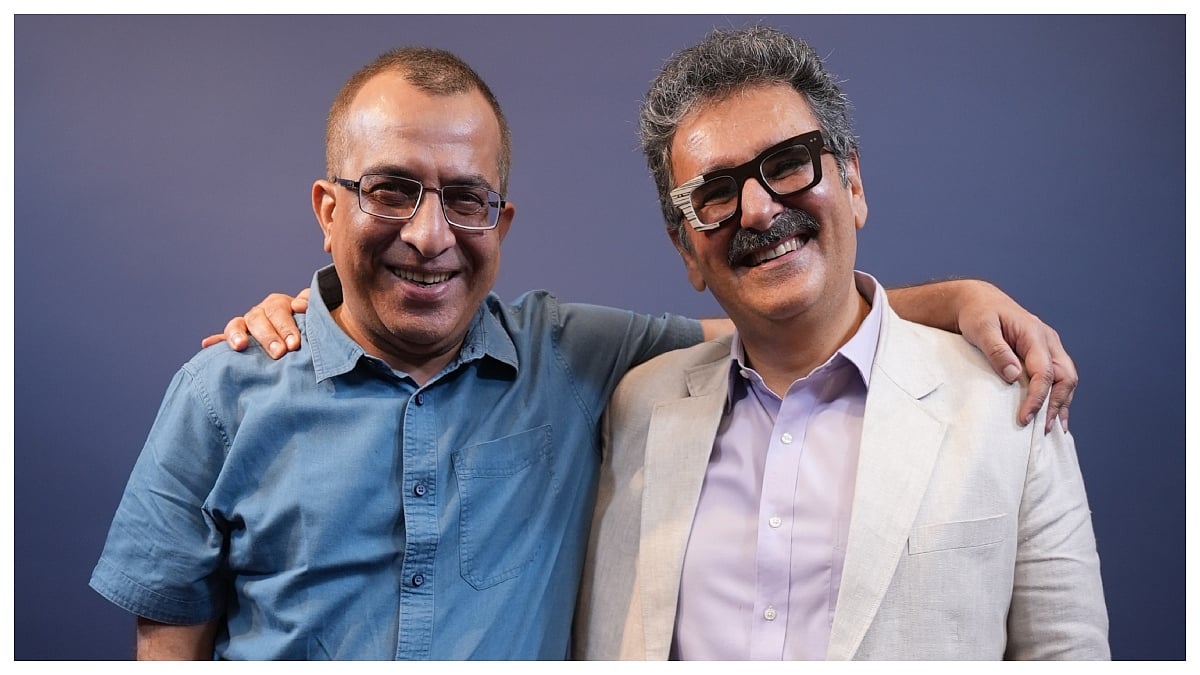
In a conversation on Simple Hai!, Vivek Law spoke to Dinshaw Irani, Managing Director and CEO of Helios India, tracing India’s journey from a fledgling stock market to a deeply embedded investment culture.
From Limited Access to Nationwide Participation
India’s mutual fund industry had expanded to reach 99% of the country’s PIN codes, surpassing even Amazon. This reflected a fundamental shift, investing was no longer limited to metros or a niche group but had become widely accessible. Irani noted that this broad participation strengthened market resilience, with domestic investors cushioning volatility during periods of foreign selling.
A Market That Transformed
Three decades earlier, markets had operated through open outcry systems with limited access and transparency. The transition to electronic trading opened Indian markets to the world, improving efficiency and participation. Irani recalled that this shift marked the moment India truly connected with global capital, making markets more transparent and accessible.
The Evolution of Investor Behaviour
The most significant change had been behavioural. Earlier, markets were driven by tips and short-term thinking and were often viewed as speculative. Irani pointed out that investors had become far more disciplined. SIPs encouraged long-term investing, and equities came to be seen as a structured avenue for wealth creation. Investing in mutual funds was no longer questioned within households and was increasingly encouraged.
Why India’s Growth Story Supported Markets
India’s position as an emerging economy continued to support long-term market growth. Irani explained that the need for capital, relatively higher inflation, and the constant emergence of new sectors created strong structural tailwinds. While corrections did occur, the broader trajectory remained upward.
Mid and Small Caps: Where Growth Lay
Mid- and small-cap companies showed stronger earnings recovery after a phase of slowdown. Irani said these companies had emerged leaner, with lower leverage and improved efficiency, positioning them well for growth—though he cautioned that selectivity remained critical.

The Logic of Elimination Investing
A key philosophy at Helios was “elimination investing.” Irani explained that instead of trying to pick winners directly, the focus had been on removing companies with weak fundamentals, poor governance, or unsustainable models. What remained, he said, was a more robust set of opportunities with fewer chances of major mistakes.
Active vs Passive: A Clear Preference
On the active versus passive debate, Irani maintained a clear preference for active management. While passive investing was cost-effective, he argued it lacked flexibility. Active investing allowed fund managers to take sharper calls, avoid weak sectors entirely, and aim for outperformance through stock selection.
Consumption as a Structural Driver
India’s growth was increasingly driven by domestic consumption. Irani highlighted that a young, aspirational population reshaped demand patterns, while rising participation of women in financial decisions brought more structure to spending. Together, these trends created a strong foundation for long-term growth.
Investing Required Discipline
Irani emphasised that investing was not a casual pursuit. It required time, expertise, and consistency. For most individuals, professional fund management offered a practical route, while the investor’s role was to stay committed and avoid reactive decisions.
The Bigger Picture
India’s investment ecosystem had become more inclusive and mature, backed by strong domestic participation and improving investor behaviour. Irani believed the shift from speculation to disciplined investing marked a defining change, with the real challenge no longer being access, but the ability to stay invested long enough to benefit from compounding.

