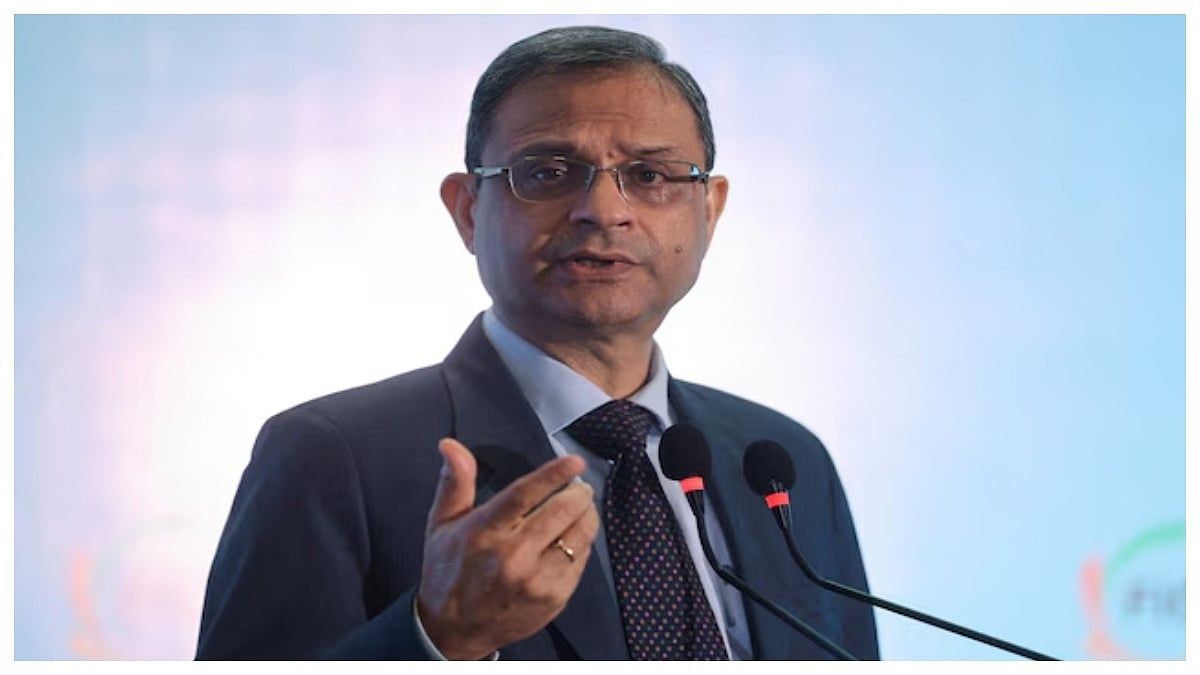
Mumbai: Reserve Bank of India (RBI) Governor Sanjay Malhotra on Friday said India’s foreign exchange reserves remain strong at USD 682.3 billion as of May 29, 2026.
Announcing the second bi-monthly monetary policy of the current financial year, Malhotra said the reserves are sufficient to provide import cover for around 11 months. This means India has enough foreign currency reserves to pay for imports for nearly a year even if external conditions become difficult.
Adequate Protection Against External Risks
The RBI Governor said the country's forex reserves are comfortable by international standards.

He noted that the reserves cover about 89.1% of India’s external debt, making them a strong safeguard against global financial shocks.
According to Malhotra, the RBI remains fully prepared to maintain stability in the foreign exchange market whenever required.
He added that the central bank has several regulatory and market-based tools available to manage excessive volatility and ensure orderly market conditions.
Policy Measures Expected to Support Balance of Payments
Malhotra highlighted several government and RBI initiatives that are expected to strengthen India's balance of payments in the coming years.
These include recent trade agreements with major global partners, the decision to allow 100% foreign direct investment (FDI) in the insurance sector, and measures to promote ethanol blending and clean energy transition.
He also mentioned the easing of FDI restrictions for neighbouring countries and liberalisation of the External Commercial Borrowing (ECB) framework as important steps to attract foreign capital.

Reserves Declined After Record High
India’s forex reserves had touched a record high of USD 728.49 billion during the week ended February 27, 2026.
However, reserves declined in the following months due to the impact of the West Asia conflict, which increased pressure on the rupee. To stabilise the currency, the RBI sold dollars in the foreign exchange market, leading to a fall in reserves.
For the week ended May 22, reserves had declined by USD 7.51 billion to USD 681.38 billion.
RBI Sees Support From Services Exports and Remittances
The Governor said India successfully managed global trade disruptions and tariff-related uncertainties during 2025-26.
However, rising energy prices and continued global trade uncertainties could increase pressure on the current account deficit during 2026-27.

Despite these challenges, strong services exports and steady inflows of money from Indians working abroad are expected to provide support.
Malhotra also assured that the RBI will continue to maintain adequate liquidity in the banking system to meet the productive needs of the economy and support monetary policy transmission.

