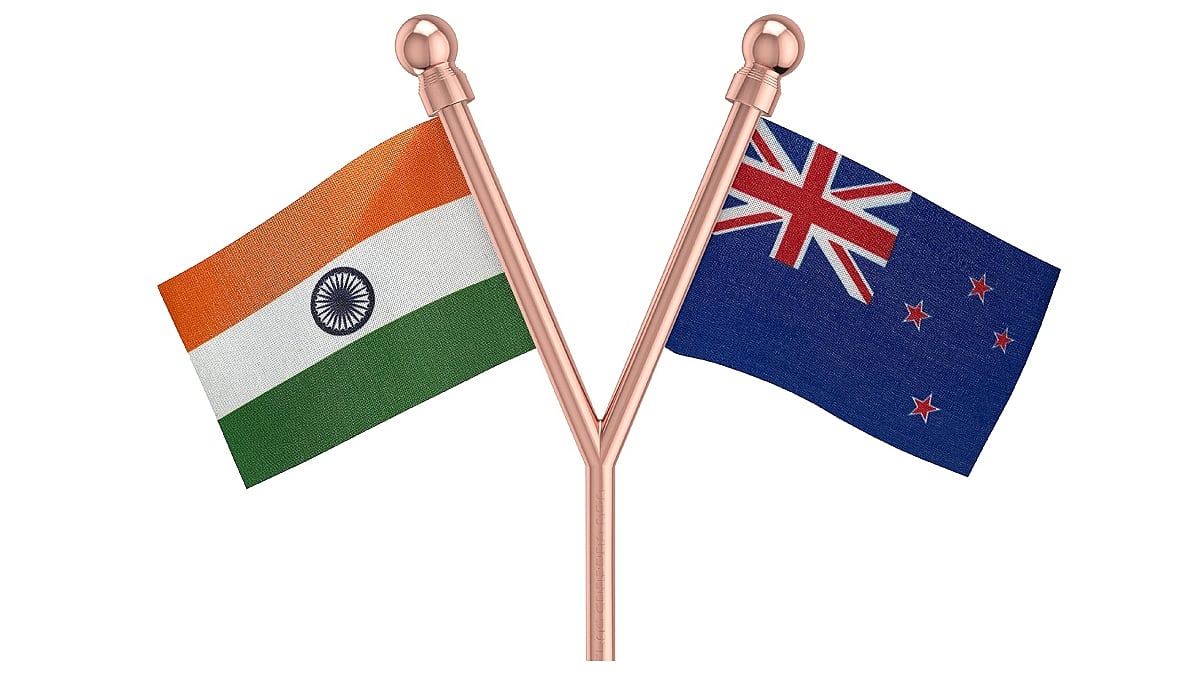
New Delhi: India and New Zealand have added a historic chapter to their bilateral ties with the announcement of a comprehensive Free Trade Agreement (FTA). Prime Minister Narendra Modi and New Zealand Prime Minister Christopher Luxon made the announcement during a phone conversation. The agreement is expected to strengthen trade, boost investment and create large-scale employment opportunities in the coming years.
Fast-Tracked Trade Deal
Negotiations for the FTA began during Prime Minister Luxon’s visit to India in March 2025. Remarkably, the talks were completed in just nine months. Officials expect the formal signing to take place within the next three months, with the agreement likely to come into force from next year.
Trade and Investment Set to Rise
Both leaders expressed confidence that bilateral trade will double within five years of the agreement’s implementation. New Zealand has also committed to invest nearly USD 20 billion in India over the next 15 years. In the financial year 2024–25, trade in goods and services between the two countries stood at around USD 2.4 billion, with India currently enjoying a trade surplus.
What Could Become Cheaper in India?
The FTA may lead to lower prices for several products in India. New Zealand supplies key raw materials used by Indian manufacturers, especially wood and wood-based products. Large quantities of logs, sawn timber and wood pulp are imported for furniture, paper and infrastructure projects. Reduced import duties could lower production costs and make furniture and related products more affordable.
Food, Wool and Industrial Inputs
New Zealand is also known for high-quality agricultural products. Fruits such as kiwi and apples are popular among Indian consumers, and lower duties could make them cheaper. The country supplies premium raw wool used in India’s carpet and woollen textile industries. In addition, Indian heavy industries import coking coal and metal scrap from New Zealand, which may become more cost-effective under the FTA.
Zero-Duty Access for Indian Exporters
For Indian exporters, the agreement is a major boost. New Zealand will provide zero-duty market access for 100 per cent of Indian exports. This will enhance India’s competitiveness in textiles, leather, gems and jewellery, engineering goods and automobiles.
Benefits for Professionals and Farmers
The agreement also supports mobility and skill exchange. It includes temporary employment visas for 5,000 professionals and ‘work and holiday’ visas for 1,000 young Indians. New Zealand will also help set up centres of excellence in India for apples, kiwifruit and honey, benefiting Indian farmers.

