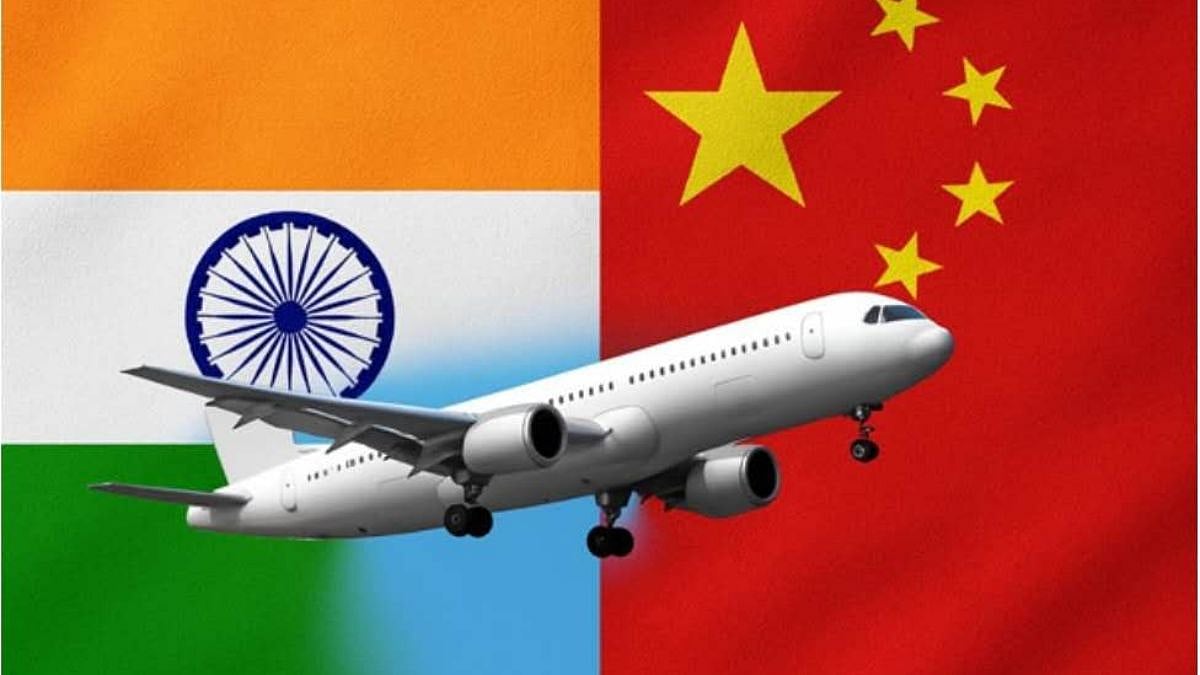
Several Indian corporate executives will visit China next week as diplomatic ties between the two countries have eased in the last few months.
According to a report by The Economic Times, a group of business leaders across automobile, electronics, and renewable energy companies will be visiting China for a three-day trip to evaluate partnership opportunities.
The India Inc delegation could include 16-17 top executives from companies like contract manufacturer Dixon Technologies, automobile major JBM, and new energy player Hero Future Energies.
The executives are set to fly to Beijing on Monday, April 6. They would visit Chinese factories to examine plant operations and evaluate possibilities of increasing localisation of components. This would also include a visit to the plant of BYD, the Chinese electric car giant.

“This delegation primarily intends to undertake global benchmarking across various sectors such as advanced manufacturing, infrastructure, technology, digitisation, and decarbonisation,” the report quoted Nishant Arya, vice chairman, JBM Group, as saying.
“Further, it aims to explore global value chain integration as well. With recent improvement in bilateral ties and a more practical approach to cross-border investments in 2026, there is a clear window for mutual growth.”
The visit comes shortly after air travel between the two countries resumed after over five years. Last month, Chinese airline company Air China had announced the resumption of direct flights between New Delhi and Beijing. The move was hailed as a boost to “trade, tourism, and trust” by the Chinese Embassy in India.
In the previous month, India’s external affairs ministry had said that the visa regime for tourism and business purposes for Chinese nationals was fully functional. This marked an end to a five-year suspension implemented after the deadly Galwan clash in 2020 between the armies of the two countries.
India has also eased foreign direct investment norms under Press Note 3, which had earlier required government scrutiny of investments made from India’s border nations.
The move was widely considered to be a way of restricting Chinese investment in India after the Galwan clash.

