The India-New Zealand Free Trade Agreement (FTA) has officially come into effect, Commerce and Industry Minister Piyush Goyal said on Monday.
The agreement provides duty-free access for Indian exports to New Zealand while offering preferential market opportunities for New Zealand goods entering India.
The pact also includes a commitment by New Zealand to invest $20 billion in India over 15 years and establishes an agricultural productivity partnership aimed at strengthening bilateral economic ties.
FTA opens new trade opportunities
New Zealand Prime Minister Christopher Luxon said the agreement was finalised after receiving parliamentary approval earlier this month. He said the deal would create more opportunities for exporters, support business expansion and contribute to employment growth.
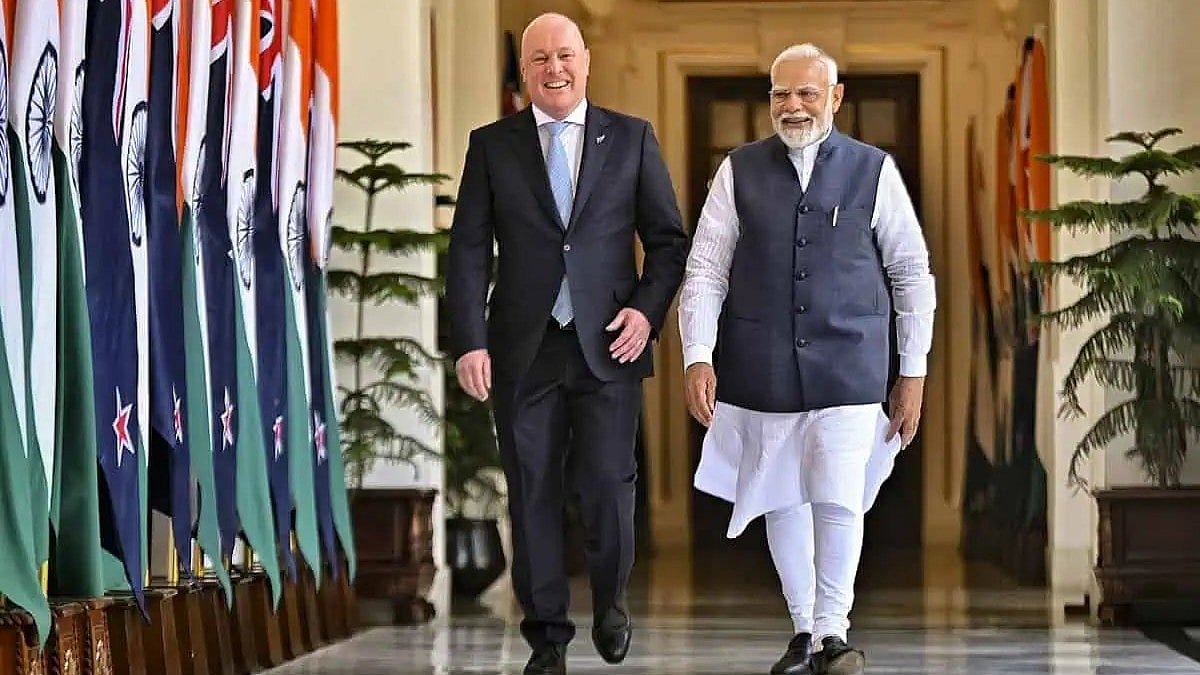
“Almost exactly three years ago, I committed that National would secure a free trade deal with India within our first term if elected. And today, we finalised the deal, which comes into force next month," Luxon said.
New Zealand’s Parliament approved the agreement on September 16, with lawmakers voting 93-29 in favour of the legislation. Luxon said the agreement would provide access to India’s large consumer market and help New Zealand businesses expand their exports.
Benefits for exporters and key sectors
Under the agreement, New Zealand will provide duty-free access for all Indian exports across 100% of tariff lines.
The pact is expected to improve competitiveness in India’s labour-intensive industries, including textiles and apparel, leather and footwear, gems and jewellery, engineering goods and processed foods.
For New Zealand exports to India, 70.03% of tariff lines have received market access, covering 95% of bilateral trade. India has kept sensitive areas such as dairy, some agricultural products, sugar and certain metals outside the agreement.
Tariffs on products including wood, wool, sheep meat and raw hides will be removed immediately, while other categories will see phased reductions over three, five, seven or 10 years.
The agreement also provides tariff concessions for products such as wine, pharmaceutical drugs, polymers and select aluminium, iron and steel products. Limited tariff-rate quotas will apply to items including Mānuka honey, apples, kiwifruit and albumins.

