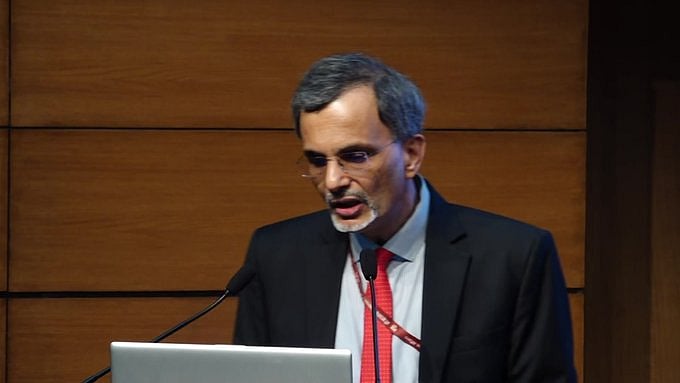
India needs to take a proactive approach towards the safety and security of artificial intelligence (AI) in the financial sector as companies increasingly integrate the technology into their operations, Chief Economic Adviser (CEA) V Anantha Nageswaran said on Friday.
Speaking at the ASSOCHAM India International Fintech Festival, Nageswaran highlighted the potential of AI to transform the fintech ecosystem but cautioned that businesses and regulators must not ignore emerging risks.
He said AI could help financial companies improve decision-making by enabling more accurate credit assessments, identifying risks earlier and detecting signs of financial stress before they become larger problems.

“Specifically speaking from the fintech perspective, of course AI is going to help various firms in the industry. Analyse the creditworthiness far better, flag risks and stress much earlier,” Nageswaran said.
However, he stressed that financial institutions cannot wait until AI-related risks become visible before taking corrective measures.
AI Can Boost Fintech But Requires Strong Security Measures
Nageswaran pointed to recent developments involving autonomous AI agents as a reminder that safety considerations must remain central while deploying advanced technologies.
He said organisations often pay attention to risks only after they become real-world problems, but the financial sector cannot afford such a delayed response due to the potential impact on markets and consumers.
“We don’t generally pay attention to risks that well until an after-day when it becomes a reality,” he said, adding that the industry must remain focused on AI safety and security.
According to the CEA, the push to capture productivity gains from AI should not come at the cost of overlooking safeguards. Financial institutions handling sensitive customer data and critical economic functions need stronger frameworks to ensure responsible AI adoption.

CEA Warns Against Excessive AI Hype
Nageswaran also cautioned against making premature assumptions about the economic benefits of AI amid growing market excitement around the technology.
He said a more accurate assessment of AI’s advantages and limitations would only emerge after the current financial market enthusiasm surrounding AI settles.
“Only when the current financial market bubble in AI deflates will we be able to do a proper cost-benefit analysis of AI,” he said.
The CEA noted that there is currently significant hype surrounding AI, and businesses should maintain a balanced approach by evaluating both opportunities and challenges.

