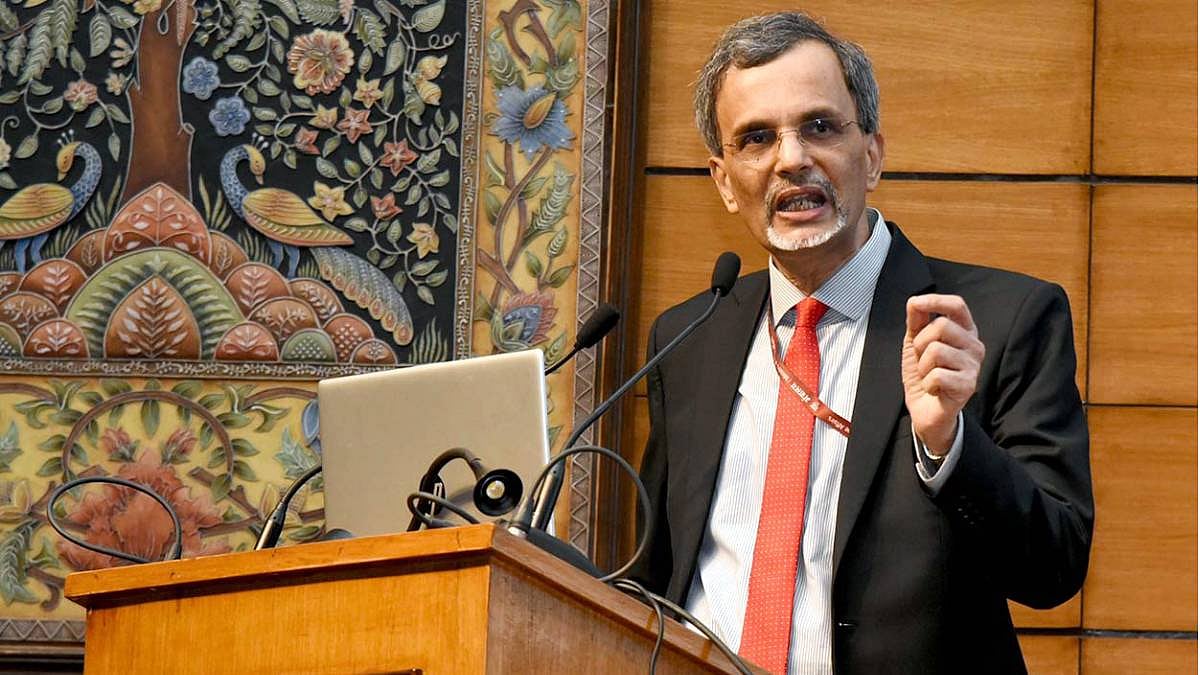
India must become globally indispensable in carefully selected industries to strengthen its strategic position and secure access to critical resources amid rising geopolitical tensions, Chief Economic Advisor V Anantha Nageswaran said on Thursday.
Describing 2026 as a turning point following successive external shocks, Nageswaran called for a coordinated strategy combining import substitution, domestic manufacturing and export competitiveness.
He identified agro-processing as a potential sector where India could develop strategic leverage.
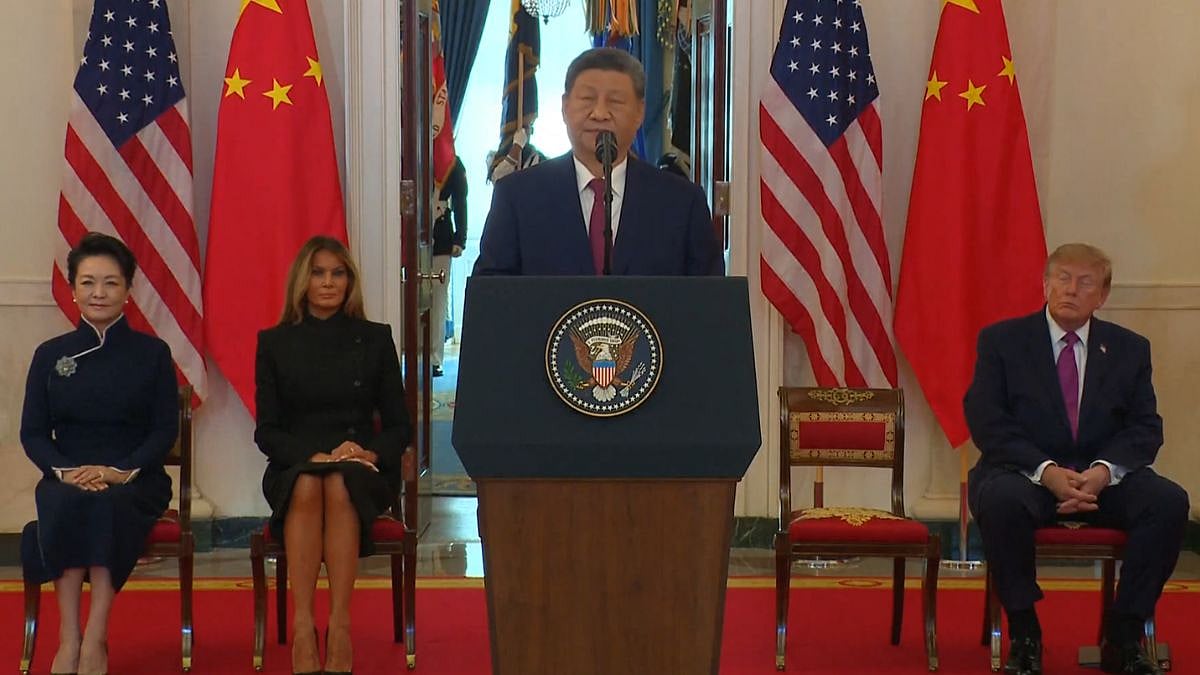
Nageswaran said countries were increasingly using critical minerals, semiconductors and market access as instruments of economic and geopolitical influence.
He cited China's recently announced export controls on tunnel boring machines as an example.
Unlike India's earlier import-substitution policies, the new approach must require domestic manufacturers to compete internationally or match imported products on price, he said.
Simply increasing manufacturing's contribution to gross domestic product (GDP) would not deliver strategic resilience.
Instead, India must develop specialised capabilities and infrastructure that global markets cannot easily replace.
Nageswaran stressed that strategic advantage would come from mastering critical technologies and production capabilities rather than relying solely on low-cost manufacturing.
He said the challenge was to pursue import substitution, resilience and global indispensability simultaneously because the available window was narrowing.
The Chief Economic Advisor warned that access to essential resources could become increasingly difficult as geopolitical competition intensifies.
He said India needed to reduce dependence on imported crude oil, industrial metals, fertilisers, active pharmaceutical ingredients, rare earths, critical minerals and battery chemicals.
Building strategic reserves of these commodities would help domestic industries withstand disruptions in international supply chains.
Nageswaran noted that global manufacturing priorities had shifted since the pandemic.
Previously, competitiveness largely depended on production costs. Now, countries must also consider supply security and their importance to international markets.
He emphasised that industries receiving support for domestic manufacturing should demonstrate measurable export competitiveness and the ability to compete with imports.
Such an approach, he argued, would strengthen India's economic resilience while improving its bargaining position in an increasingly contested global trading environment.

