India may ease its stance on granting another moratorium on tariffs for electronic transmissions such as digital downloads and streaming, according to a report by Reuters.
The issue is being taken up at the ongoing 14th Ministerial Conference of the World Trade Organisation (WTO) in Cameroon’s capital, Yaoundé.
Tariffs on electronic transmissions are customs duties imposed on digital products such as software, music, films, and e-books transmitted online across borders.
Currently, such activities face no tariffs under the WTO moratorium. Citing two senior government sources, the report said that India, late on Friday night, indicated to WTO members that it would agree to a two-year extension.

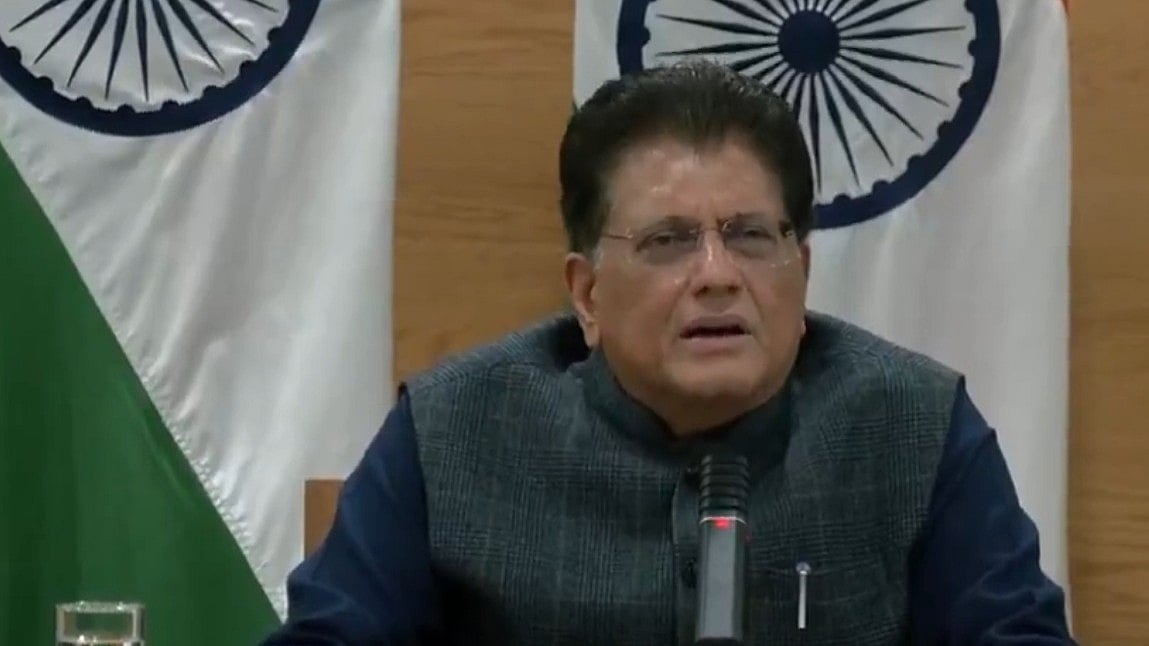
The development comes hours after India’s commerce minister, representing the country at the ministerial conference, said on Thursday that the demand for a permanent moratorium needed “careful reconsideration.”
However, it was unclear if a short-term extension would be satisfactory to the US, the report said. US Trade Representative Jamieson Greer said on Thursday that Washington was not interested in a temporary extension, but only a permanent one.
Developing countries like India and South Africa have supported imposing tariffs on such trade.
They argue that remaining tariff-free creates an uneven burden on developing countries compared to developed ones. They say it is important to regulate the digital economy, as tariffs have historically helped build domestic industry. A permanent moratorium could hurt industrialisation, jobs, and tariff revenue in developing economies.
On the other hand, developed countries like the US support a permanent moratorium to provide digital giants like Google and Meta with a predictable and stable business environment.
Losing the moratorium could impact open access through differing national rules and drive up the cost of digital tools and services, they argue.
There has been no tariff on electronic transmissions for the last 25 years, as WTO countries have consistently extended the moratorium at every ministerial meeting.

