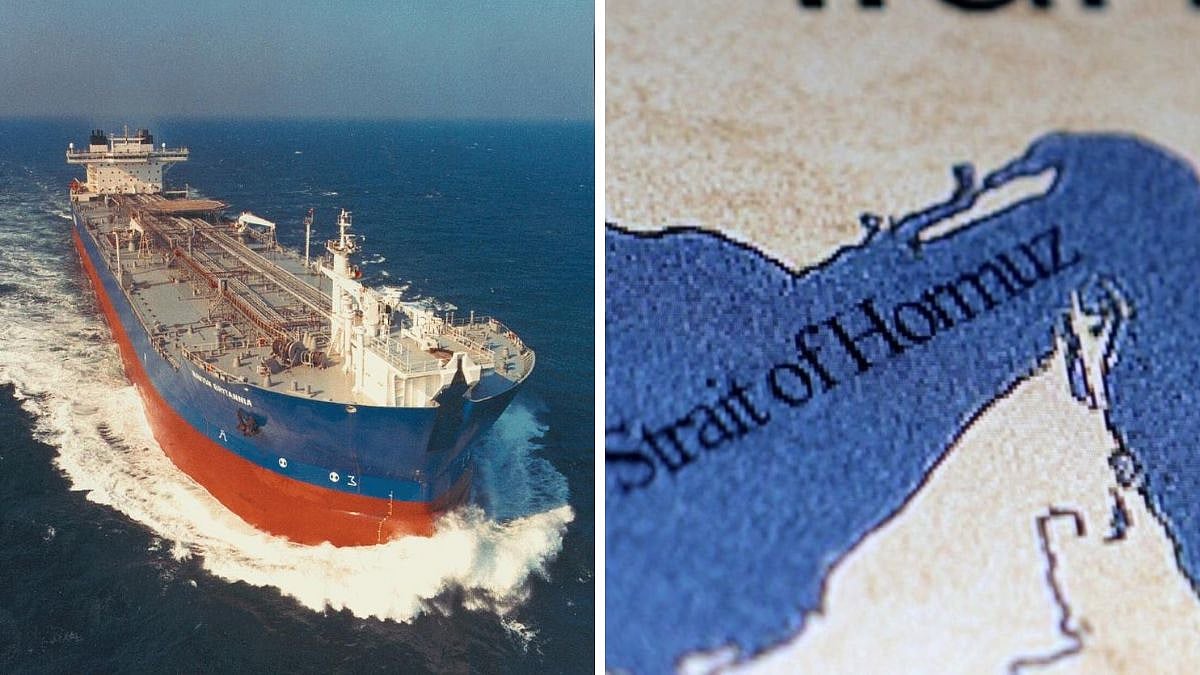
An India-flagged liquefied petroleum gas (LPG) tanker, Jag Vikram, has successfully crossed the Strait of Hormuz, marking a key development in the gradual resumption of maritime traffic after the temporary ceasefire between the United States and Iran.
According to ship-tracking data, the tanker moved through the strategic waterway between Friday night and Saturday morning.
By Saturday afternoon, it was located in the Gulf of Oman, east of the Strait, and was proceeding further eastwards.
Jag Vikram is the first Indian vessel to transit the critical chokepoint since the announcement of the two-week ceasefire, indicating a cautious easing of shipping disruptions that had severely impacted global energy supply chains.
Owned by Mumbai-based Great Eastern Shipping Company, the vessel is a mid-sized gas carrier with a deadweight capacity of over 26,000 tonnes. Trade sources estimate that it could be carrying around 20,000 tonnes of LPG.
The tanker’s movement is significant, as shipping through the Strait of Hormuz had been heavily restricted since the outbreak of the West Asia conflict, leaving several India-bound vessels stranded in the Persian Gulf.
Jag Vikram is the ninth Indian vessel to exit the Persian Gulf since early March. However, around 15 India-flagged ships are still in the region awaiting safe passage, highlighting the continued challenges in restoring normal shipping operations.
At the peak of the crisis, at least 28 Indian vessels were present in the Strait of Hormuz region, including ships on both sides of the waterway.
Only a limited number of vessels had been able to cross due to security concerns and coordination requirements with regional authorities.
The Strait of Hormuz remains one of the world’s most critical energy chokepoints, handling a significant share of global oil and gas shipments.
Any disruption in this route has immediate implications for countries like India, which rely heavily on imports to meet their energy needs.
The successful transit of Jag Vikram offers some relief to supply concerns and signals a gradual normalisation of maritime activity.
However, with several vessels still stranded and geopolitical tensions persisting, the situation remains fluid and closely monitored by global markets.

