The International Monetary Fund (IMF) has called for urgent policy action as the global economy confronts an uneven artificial intelligence (AI) investment boom, persistent energy shocks and record debt levels.
According to a report by Bloomberg, IMF Managing Director Kristalina Georgieva, speaking in Singapore ahead of next week's IMF-World Bank meetings in Bangkok, said AI-driven growth remained concentrated in a limited number of economies.
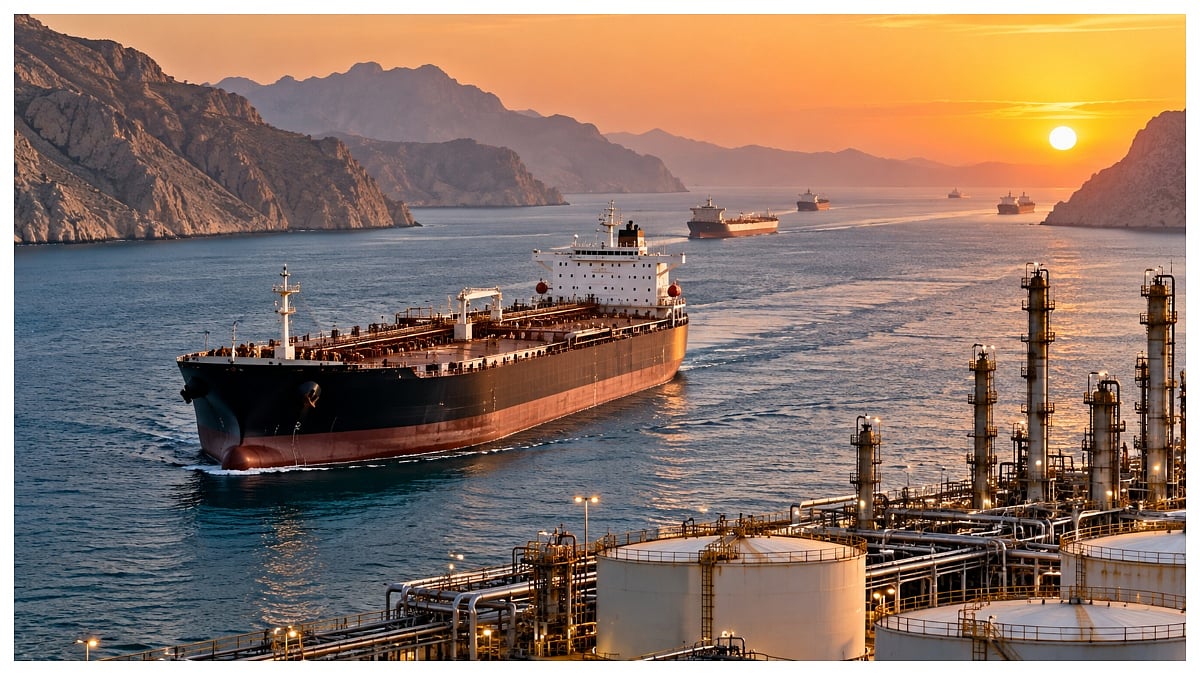
At the same time, conflicts in the Middle East and Ukraine are squeezing supplies of key commodities, with disruptions expected to continue into 2027.
Rising bond yields have also increased pressure on highly indebted governments. Global debt has exceeded $365 trillion, according to the Institute of International Finance.
IMF urges prudently hawkish monetary policy
Georgieva warned that the AI investment boom, energy and food shocks, tariffs, defence spending and high public debt could contribute to inflation.
She called for a "prudently hawkish bias" from central banks and warned that governments accustomed to running large fiscal deficits could face difficult choices.
The IMF-World Bank meetings come as sovereign debt markets experience significant volatility, with US, European and Japanese government bond yields reaching multi-decade highs.
Georgieva said policymakers had benefited from interest rates remaining below gross domestic product growth rates for much of the past 17 years, but higher borrowing costs had changed that environment.
AI boom could widen economic inequality
While bond markets have faced pressure, strong investment in AI has supported equity markets and boosted exports from major Asian producers of semiconductors and related equipment.
However, Georgieva warned that the benefits were unevenly distributed, with AI-related trade growth largely favouring economies embedded in the technology's global value chain.
The AI infrastructure expansion is also increasing energy demand.
Meanwhile, the energy shock resulting from disruptions to fuel supplies has remained large but contained so far, according to Georgieva.
She cautioned that price pressures could intensify as demand increases during the Northern Hemisphere's colder months and countries replenish energy reserves.
The combination of higher borrowing costs, energy pressures and unequal access to AI-driven growth presents policymakers with significant challenges as they seek to manage inflation without undermining economic activity.

