
India may receive a ‘below normal’ monsoon this year with rainfall of about 92 percent of the Long Period Average (LPA), according to the forecast of the Indian Meteorological Department (IMD).
This is the first time in 11 years that the IMD has warned of a below normal monsoon between the June-September period.
According to the IMD, the likely development of an El Nino may prove to be the main reason behind the underwhelming rains during the season. El Nino is a periodic warming of the Central Equatorial Pacific.
At present, weak La Nina-like conditions are transitioning to neutral conditions over the equatorial Pacific. La Nina is the converse of El Nino.
The effects of El Nino are likely to come into full effect in the second half of the monsoon, during the months of August and September.
Dr Mrutyunjay Mohapatra, the Director General of IMD, said that despite the links between El Nino and a weak monsoon, two factors could blunt its impact.
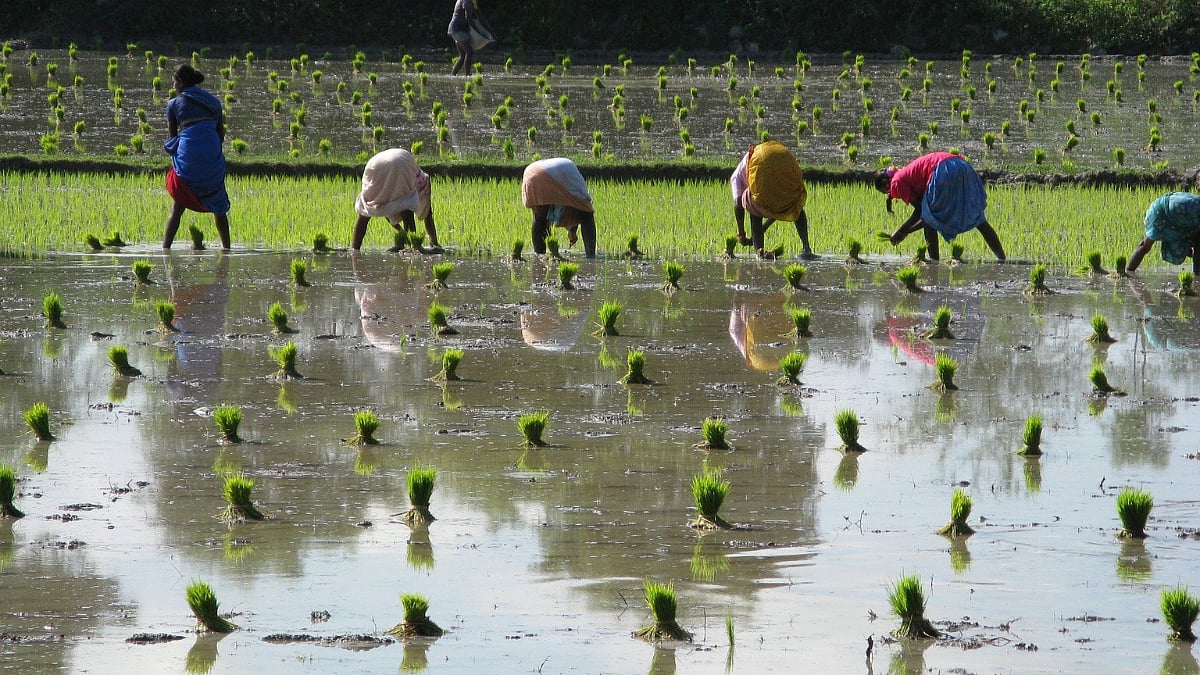
Most Indian farmers remain dependent on monsoon rains for the kharif sowing cycle. Below normal rainfall during the period may affect the yield and quality of the harvest.
The subdued monsoon may compound the crisis emanating from the West Asian war, as fertiliser manufacturers are facing a supply crunch of natural gas, a key component for production.
Due to a below normal monsoon, farmers may be compelled to use water pumps for irrigation. Higher fertiliser prices and increased irrigation costs may lead to food inflation in the country, ultimately resulting in a slower economic growth rate.
Earlier than the IMD, private weather forecasting agency Skymet had also predicted a below normal monsoon at 94 percent of the LPA.
India last experienced reduced monsoon rainfall in 2023, when the IMD had predicted a ‘near normal’ downpour at 96 percent of the LPA.

