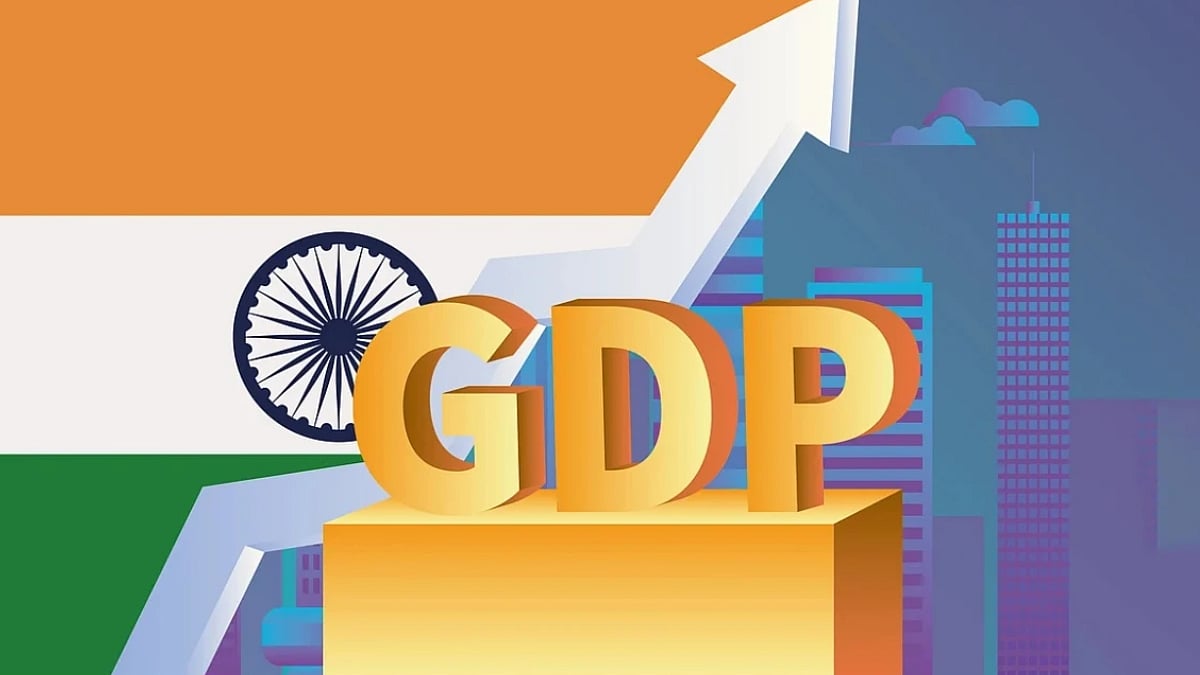
Mumbai: India has become one of the fastest-growing major economies in the world. Over the past two decades, the country has seen strong economic expansion, rapid digital growth and rising global influence.
According to a report by News.AZ, India has maintained higher growth rates than many developed economies in recent years. While several advanced countries have faced slow growth due to global crises and geopolitical tensions, India has continued to expand steadily.
Economists say India’s growth is mainly driven by strong domestic demand, technological progress and key economic reforms.

GDP Growth and Economic Reforms
When experts describe India as the fastest-growing major economy, they are referring to its gross domestic product (GDP) growth rate. GDP measures how quickly a country’s total economic output increases.
In recent years, India’s GDP growth has often remained above 6 percent. This has helped the country outperform several large economies such as the United States, the European Union and Japan.
Economic liberalisation also played a major role in boosting growth. Policy reforms allowed businesses to operate more freely and encouraged foreign investors to enter the Indian market. These investments brought new capital, technology and global expertise.
Technology and Digital Transformation
India’s technology sector has been one of the biggest drivers of economic growth. Since the late 1990s, the country has developed into a global hub for software development and IT services.
At the same time, India has undergone a major digital transformation. Government programmes promoting digital identification systems and online payments have expanded access to digital services.
Affordable smartphones and cheaper internet services have also helped bring hundreds of millions of people online.
Population, Consumption and Infrastructure
India’s large and young population is another major advantage. The country has one of the world’s biggest workforces, which supports growth in both manufacturing and services.
Domestic consumption is also rising rapidly. A growing middle class is increasing demand for products such as cars, electronics, healthcare and housing.
Infrastructure development has further supported growth. In the past decade, the government has invested heavily in highways, railways, airports and ports to improve connectivity and logistics.
Manufacturing, Startups and Investment
Manufacturing is gaining strength as companies increasingly set up factories in India. Government initiatives aimed at boosting domestic production have encouraged more industrial investment.
Foreign companies also view India as an attractive market with strong long-term potential.
Entrepreneurship has added another layer to the country’s growth story. India now has one of the world’s largest startup ecosystems, with thousands of new businesses emerging in areas such as fintech, health technology and artificial intelligence.
Education and skill development are also supporting this progress by preparing a workforce that can meet the demands of a modern and rapidly evolving economy.
