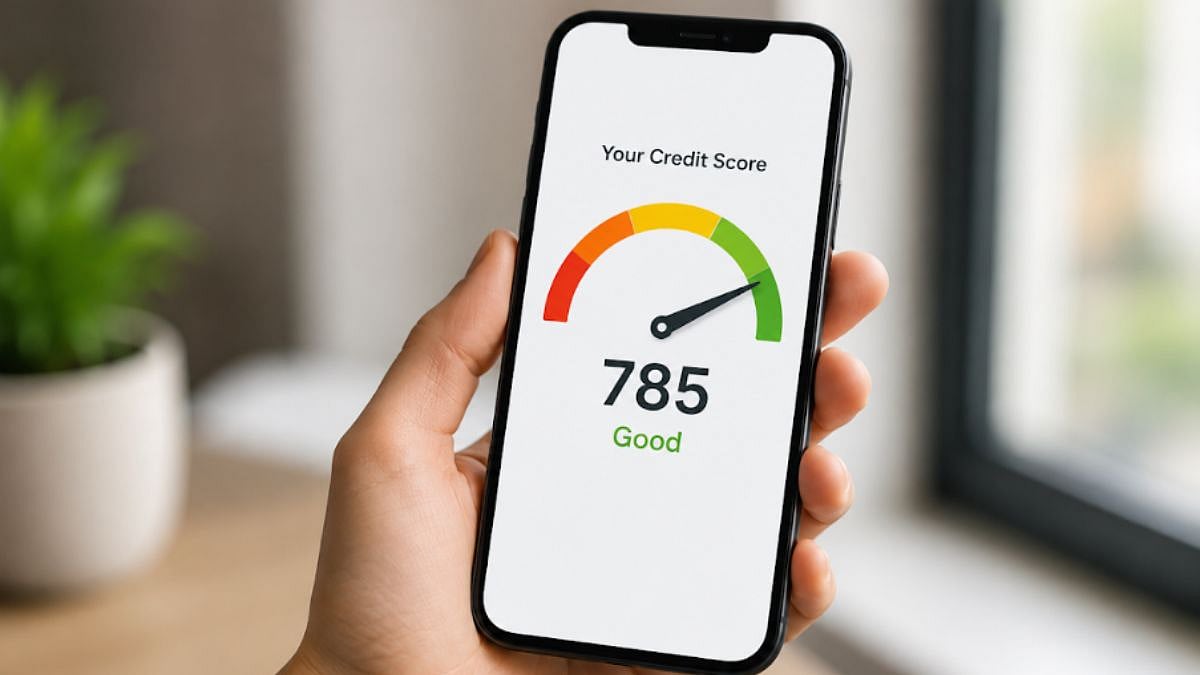
Every loan, credit card and repayment can add to your credit history. Understand how credit bureaus collect and update this information, how it appears in your credit report, what to check for errors, and how to check your credit score online.
In summary
Your credit profile is built over time from information reported by lenders. Credit bureaus collect this information, update your records and use it to create your credit report and score.
· India has 4 credit information companies recognised by RBI.
· Your credit report can include loans, credit cards, repayments, balances and enquiries.
· Since January 2025, credit information is updated fortnightly under RBI directions.
· A credit report shows your credit history, while a credit score summarises it.
· Checking your report can help you find errors or unknown accounts.
· You can check your credit score online and review your credit information.
Regularly checking your credit information can help you keep your credit profile accurate and up to date.
Your credit history does not start with a credit score
When you think about your credit profile, the first thing that probably comes to mind is a three-digit score. But the score is not where the process starts. It starts with your credit information.
When you take a loan or use a credit card, the relevant credit institution reports information about that account and its repayment behaviour to credit information companies. That information becomes part of your credit history.
Over time, your history can include multiple loans, credit cards, repayments, outstanding amounts and credit enquiries.
A credit bureau brings this information together to create your credit report. A credit score can then be generated from the information in your credit history, depending on the scoring model used by the credit information company.
What does a credit bureau actually do?
A credit bureau, formally known as a Credit Information Company (CIC), collects and maintains credit information reported by credit institutions. It is not a lender and does not decide whether your loan application should be approved.
Its role is to maintain credit information and provide credit reports and related products, including credit scores. RBI's credit reporting framework currently includes four CICs in India: TransUnion CIBIL, Experian, Equifax and CRIF High Mark.
If you apply for a personal loan, for example, the lender may access your credit information as part of its assessment. The credit bureau provides the information; the lender makes the lending decision based on its own criteria.
What information can a credit bureau have about you?
Your credit report can contain different types of information linked to your borrowing history.
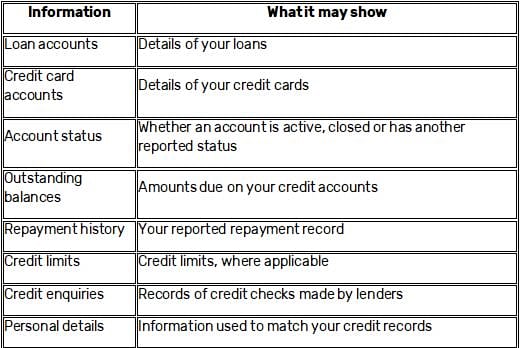
Your credit report can change as your credit activity changes. For example, a new loan can add an account, repayments can update its history, and closing a loan can change its status.
So, your credit report is not a one-time document. It evolves as your credit activity changes.
Your credit report can now reflect changes more frequently
There is an important change borrowers should know about.
From 1 January 2025, RBI directed credit institutions and credit information companies to update credit information fortnightly, with reference dates of the 15th and the last day of the month, or at shorter intervals where mutually agreed. Credit institutions are required to submit the information within seven calendar days of the relevant reporting date.
Why does this matter to you?
Suppose you repay a loan or your outstanding credit changes. The information does not necessarily remain unchanged until a monthly reporting cycle. The move to more frequent reporting is intended to make credit information more current and help lenders make decisions using more recent information.
However, an update in the lender's records and its appearance in your report are not necessarily instantaneous. If something looks incorrect, check the reported information and raise a correction request through the appropriate channel.
What should you look for when you open your credit report?
Don’t just check the score and close the report. Spend a few minutes reviewing the information behind it.
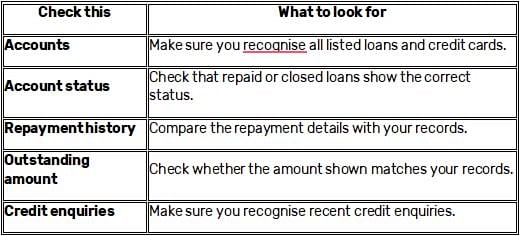
A credit score gives you the number. Your credit report helps you understand what is behind it and spot anything that needs attention.
What if your credit bureau report contains an error?
An incorrect entry should not simply be ignored.
For example, you may find that:
· A payment is shown as overdue even though you paid it on time.
· A repaid loan is still showing incorrectly.
· An outstanding amount does not match your records.
· An account does not belong to you.
· A credit enquiry is unfamiliar.
First, identify the specific entry and keep documents that support your position, such as payment records or loan closure documents.
You can then request correction or updating of the information from the relevant credit information company and/or the credit institution that reported it.
RBI's consumer guidance allows borrowers to request correction of inaccurate information. If a complaint remains unresolved for more than 30 days, or the borrower is not satisfied with the resolution, the borrower can approach the RBI Ombudsman through the applicable process.
Is the credit score the same across all credit bureaus?
Not necessarily.
India has four credit information companies, and each can use its own credit scoring methodology. RBI states that it does not prescribe a single methodology for calculating credit scores; the scoring models used by CICs are proprietary.
Therefore, if you see different scores from different credit information companies, that does not automatically mean that one report is incorrect.
The more useful approach is to review the underlying credit information and look for inaccuracies or unexplained differences.
How to check credit score online
If you are searching for how to check credit score, you can use authorised credit information companies and financial platforms.
Bajaj Finance also provides a free online facility through its Credit Pulse Report.
Step 1: Visit the Credit Pulse Report page
Go to the official Bajaj Finance website and open the Credit Pulse Report section. Select the option to check your credit score.
Step 2: Verify your mobile number
Enter your registered mobile number and complete the OTP verification.
Step 3: Enter the required details
Provide the requested information, which may include your name, PAN, date of birth, email address, mobile number and PIN code.
Step 4: View your credit score
Once the verification is completed successfully, your available credit score will be displayed.
Step 5: Review your Credit Pulse Report
Don't stop at the score. Review your available credit information, including active credit accounts, repayment history and recent enquiries.
You can also download the report for future reference.
When is it worth checking your credit report?
A credit report check can be particularly useful when something in your financial situation has changed.
Consider checking it:
· Before applying for a major loan: Know your current credit position before submitting an application.
· After closing a loan: Check whether the account information has been updated correctly.
· After making significant repayments: Review whether the reported outstanding information reflects the change.
· When you spot an unfamiliar account or enquiry: Investigate it instead of assuming it is an error.
· Periodically: Regular reviews can help you identify reporting issues earlier.
RBI also requires each credit information company to provide individuals with one free full credit report, including the credit score, once in a calendar year, subject to the applicable process.
Credit bureau, credit report and credit score: what’s the difference?
The three terms are closely connected but serve different purposes.
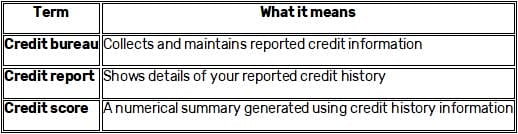
A simple way to remember the difference:
· The credit bureau maintains the information.
· The credit report shows the information.
· The credit score summarises the information.
What your credit bureau record can tell you
Your credit profile is more than a number on a screen.
It reflects the credit information reported about your borrowing activity over time. That makes accuracy important.
The next time you check your credit score, take a few extra minutes to review the report behind it. Look at your accounts, repayment information, outstanding amounts and credit enquiries.
Want to see where your credit profile stands? Check your credit score and access your free Credit Pulse Report with Bajaj Finance.

