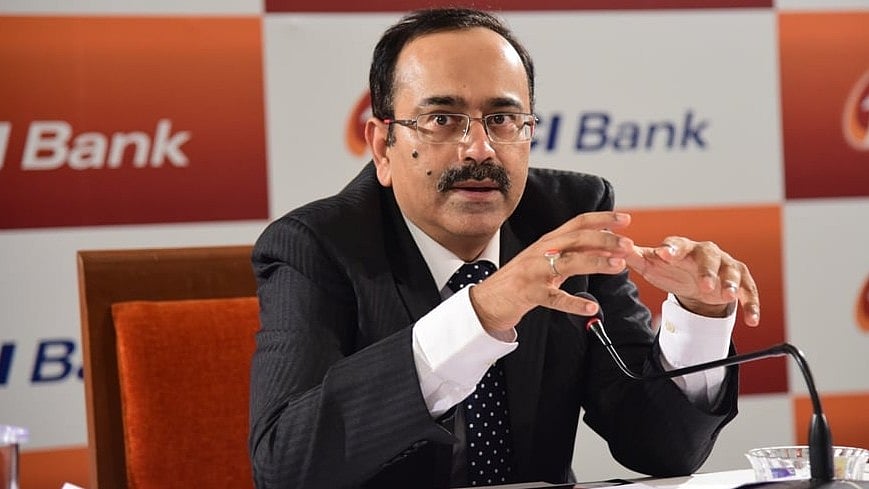
Anup Bagchi, who will take over as HDFC Bank's Managing Director and Chief Executive Officer (MD & CEO) on Oct 27, could become India's highest-paid bank chief under a proposed annual remuneration package of ₹35.9 crore.
According to the bank's postal ballot notice, the compensation includes fixed pay of ₹8.97 crore and target performance-linked remuneration of ₹26.92 crore for financial year 2026-27.
Bagchi will succeed Sashidhar Jagdishan for a three-year term.

HDFC Bank proposes ₹35.9 crore annual compensation
The variable component represents 300% of Bagchi's fixed remuneration and accounts for approximately 75% of his proposed annual package.
His fixed compensation includes a salary of ₹3.32 crore, alongside allowances, retirement benefits and other perquisites.
The bank has also proposed providing up to two company cars, each costing a maximum of ₹1.4 crore, besides a monthly fuel allowance of 700 litres and reimbursement of maintenance expenses.
Performance-linked compensation includes ₹8.88 crore in cash and ₹18.04 crore in share-linked instruments.
Of the cash incentive, ₹4.44 crore would be paid upfront, while the remaining amount would vest over three years.
Actual payouts will depend on performance and applicable approvals from the bank's remuneration committee, board and Reserve Bank of India (RBI).
Separately, Bagchi will receive a one-time joining award of approximately ₹7.35 crore in share-linked instruments, vesting over four years.
Proposed salary exceeds other bank CEOs
The proposed package surpasses remuneration reported by several leading private-sector banking executives for FY26.
Outgoing HDFC Bank chief Jagdishan received ₹28.65 crore, including salary and stock-option benefits.
Deputy Managing Director Kaizad Bharucha earned ₹26.32 crore during the same period.
ICICI Bank MD & CEO Sandeep Bakhshi received approximately ₹10.6 crore, while Kotak Mahindra Bank MD & CEO Ashok Vaswani earned around ₹17.2 crore.
Bagchi, currently heading ICICI Prudential Life Insurance, received ₹7.48 crore in FY26, excluding stock options granted during the year.
His proposed HDFC Bank compensation would represent a substantial increase, although the final amount will depend on performance and applicable approvals.

