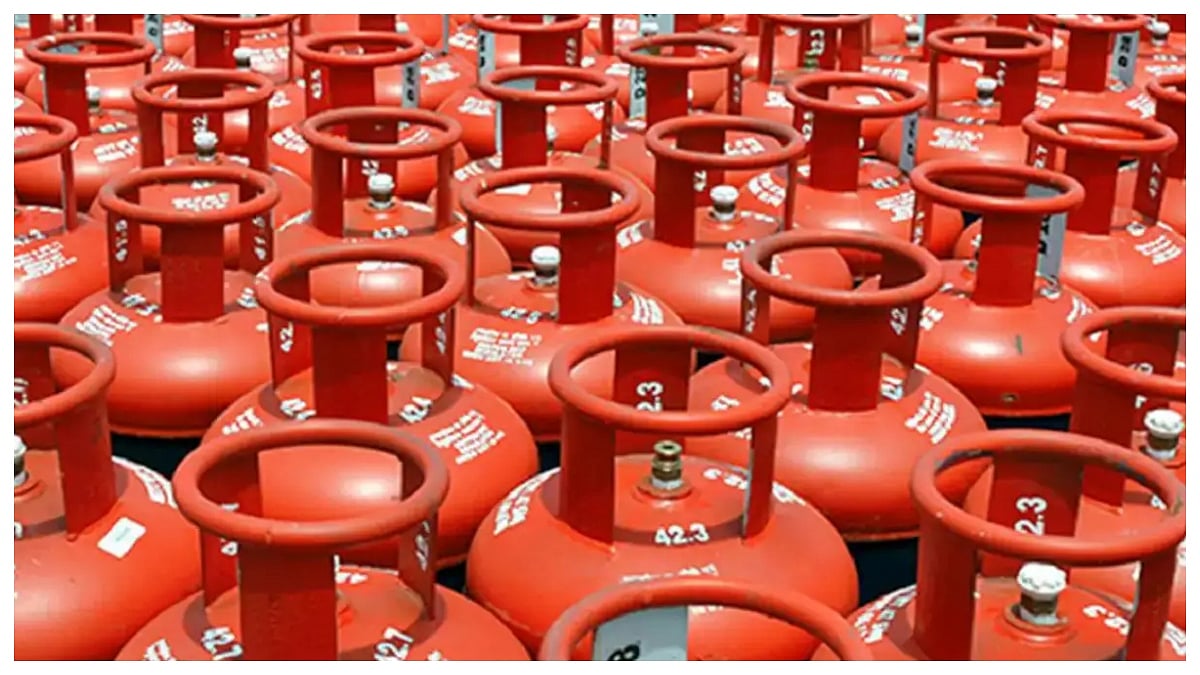
The government has, for the first time, established maximum LPG production targets for individual public- and private-sector refineries and upstream companies, creating a permanent emergency framework to safeguard cooking gas supplies during future disruptions.
An order issued by the Ministry of Petroleum and Natural Gas on August 13 sets emergency production ceilings for 21 refineries and upstream companies, with a combined potential output of 63,810 tonnes per day.
The enhanced capacity can be activated whenever supply constraints emerge and represents about 70% of India's daily LPG consumption.

The largest contribution under the framework is expected from Reliance Industries' older refinery, which has been assigned a maximum production target of 18,000 tonnes per day.
Lessons from the West Asia crisis
The new policy follows disruptions triggered by the West Asia conflict, when the closure of the Strait of Hormuz exposed India's heavy dependence on imported LPG.
In FY26, India consumed 33.2 million tonnes of LPG, producing only 13.1 million tonnes domestically while importing 21.3 million tonnes, leaving more than 64% of demand dependent on overseas supplies.
During the crisis, the government instructed refineries to divert petrochemical feedstock toward LPG production, restricted commercial and industrial LPG sales, encouraged households to use piped natural gas where possible and increased refill booking intervals.
These emergency measures helped raise domestic output to around 55,000 tonnes per day before supply conditions improved.
New framework for future disruptions
Unlike the temporary crisis measures, the latest order creates a standing mechanism that allows the government to direct refiners, oil marketing companies and upstream producers to increase LPG production for specified quantities and durations whenever domestic supply comes under pressure.
Companies have also been instructed to maintain adequate storage, transportation and evacuation infrastructure while pursuing technically and economically viable upgrades to maximise LPG production.
Suggested improvements include converting naphtha into LPG and upgrading fluid catalytic cracking units.
The production schedule will be reviewed every six months to incorporate new refining capacity, upstream projects and technological improvements, helping build a stronger domestic buffer against future disruptions in global LPG supplies.

