
The West Asia crisis has prompted the government to plug forex leakage through every possible means.
After raising taxes on gold imports and promoting alternate fuels, the Centre is planning to cut imports of non-essential goods to reduce import dependence.
The government is reviewing the country’s import basket and identifying goods for which import dependence is low, according to a report by The Economic Times.
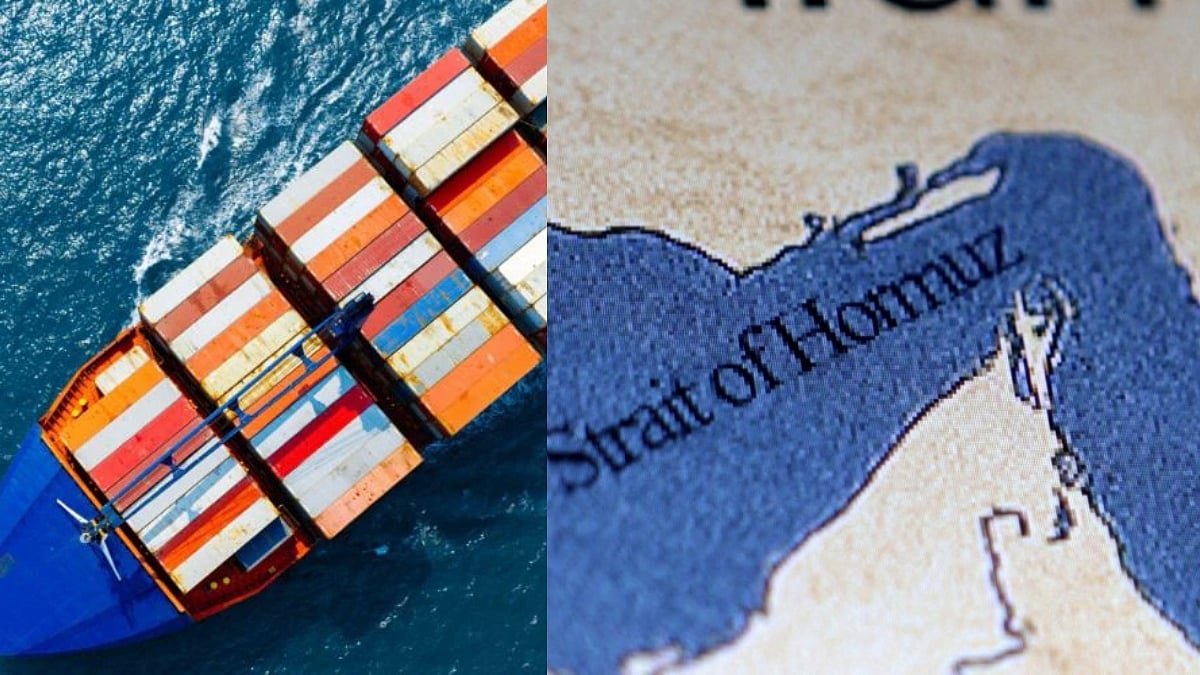
The Centre plans to cut imports of non-essential items and create domestic production capacity for such goods, the report said.
The plan may be discussed in the inter-ministerial meeting on the West Asia crisis next week.
As a way of curbing the import of such non-essential items, import duties on these goods may be increased.
In April, India’s merchandise trade deficit widened to $28.4 billion from $20.7 billion in the previous month.
The government is facing the challenge of conserving forex and using those dollars to buy crucial commodities such as crude oil and fertilisers.
Due to the West Asia crisis and the closure of the Strait of Hormuz, crude oil prices have surged over 60 percent compared to pre-war levels.
On Wednesday, Brent Crude was trading at $110 per barrel compared to the pre-war level of around $70 per barrel.
Crude oil is the biggest contributor to India’s import bill. In FY26, the country imported over $173.9 billion worth of crude oil and petroleum products, followed by gold imports worth $72 billion.
The government has already raised taxes on imports of gold, silver, and platinum to limit the outflow of foreign exchange for commodities whose contribution to the economy is relatively weak.
A majority of gold imports are used as a savings instrument by retail investors.
Since meeting the country’s energy demand is essential for the economy to continue functioning smoothly, the government is looking for ways to conserve dollars.
The decline in the rupee has further worsened the situation for the government.

