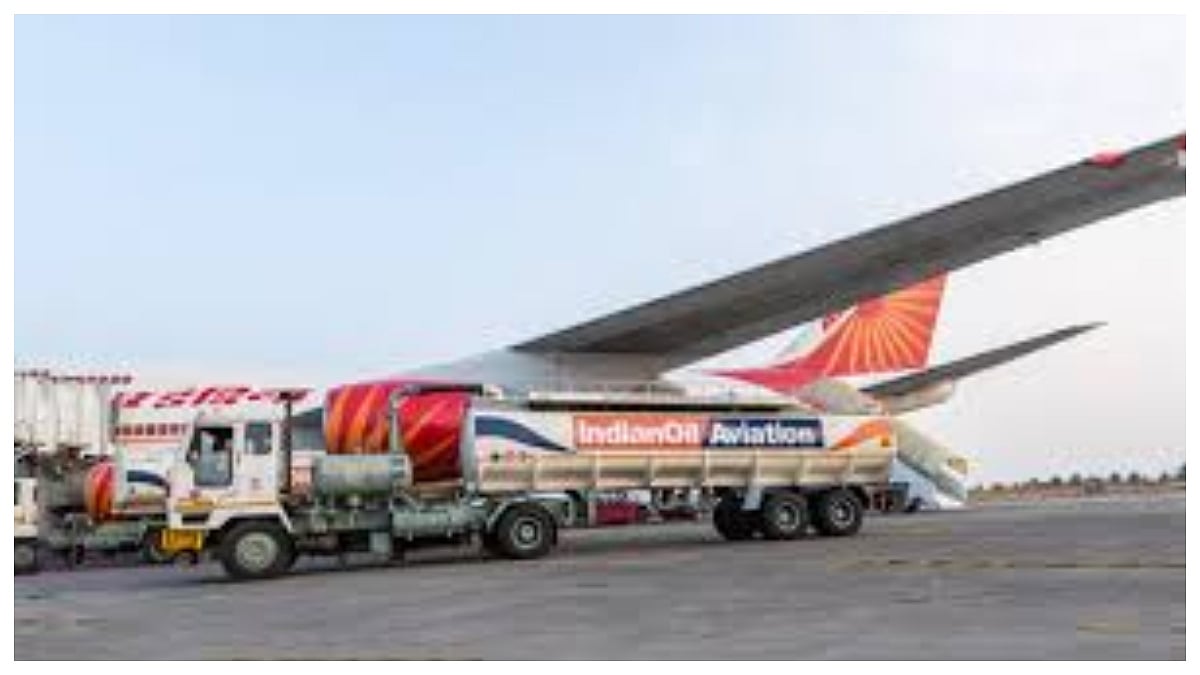
New Delhi: The government has taken a key step towards cleaner aviation by allowing ethanol blending in Aviation Turbine Fuel (ATF). The Ministry of Petroleum and Natural Gas issued a notification on April 17, 2026, updating existing fuel rules.
Under the new definition, ATF is no longer limited to traditional hydrocarbons. It can now include blended and synthesised components, as long as they meet Indian standards. This change brings India in line with global practices, where alternative aviation fuels are being increasingly adopted.

Focus on cleaner and greener aviation
The move is part of India’s larger plan to promote Sustainable Aviation Fuel (SAF). SAF is considered a cleaner option as it can reduce carbon emissions without requiring major changes in aircraft engines or infrastructure.
By allowing ethanol blending, the government is taking an early step to gradually introduce greener fuels in aviation. While large-scale use may take time, the policy signals a clear direction towards low-carbon flying.
Reducing dependence on imported oil
India currently imports about 87 percent of its crude oil needs. This makes the country vulnerable to global price fluctuations and geopolitical tensions, especially in regions like West Asia.
The push for ethanol blending and SAF is aimed at reducing this dependence. Using locally produced biofuels can improve energy security and lower import bills over time.

Part of a broader biofuel and mobility push
Union Minister Nitin Gadkari has stressed the need for energy self-reliance. He said India should aim for 100% ethanol blending in the future.
The government is also promoting flex-fuel vehicles and green hydrogen. At the same time, upcoming Corporate Average Fuel Efficiency (CAFE) III norms from April 2027 are expected to support cleaner technologies.
A gradual but important transition
Experts believe the shift to blended aviation fuel will happen slowly due to technical and supply challenges. However, this decision marks an important beginning.
It shows India’s intent to move towards cleaner energy across sectors, including aviation, while improving long-term energy security.

