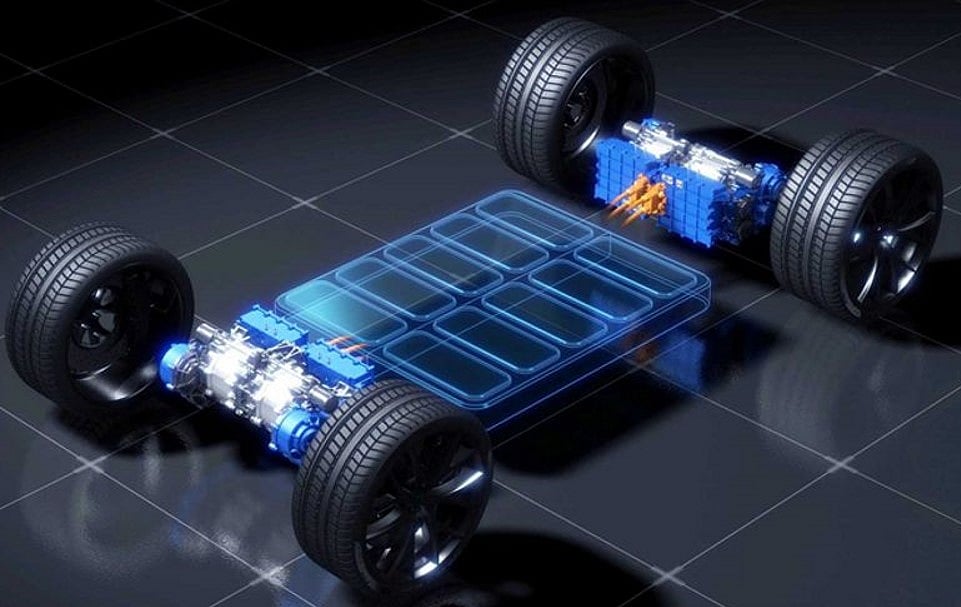
The Centre has banned exports of specified battery waste and scrap, including lithium-ion battery black mass, with immediate effect as part of efforts to strengthen domestic recycling and critical mineral recovery.
As per a report by Business Standard, the Directorate General of Foreign Trade (DGFT), under the Commerce Ministry, announced the restriction through a notification issued on Tuesday.
The order covers waste and scrap from primary cells, primary batteries and electric accumulators, including spent batteries classified under the specified export category.
The DGFT has changed the export policy for the covered materials from free to prohibited until further orders.
The notification applies to unsorted battery waste and scrap that does not contain lead, cadmium or mercury, including lithium-ion battery black mass.
The government introduced the amendment under the Foreign Trade (Development and Regulation) Act, 1992.
The DGFT also clarified that transitional arrangements under Paragraph 1.05 of the Foreign Trade Policy 2023 would apply.
These provisions govern the treatment of eligible export commitments following changes in trade policy.
Black mass is produced when used lithium-ion batteries are shredded during recycling.
It contains commercially valuable minerals, including lithium, cobalt and nickel, which can be extracted and reused in battery manufacturing.
The export restriction comes amid government efforts to develop India's battery recycling industry and reduce dependence on overseas supplies of critical minerals.
In October, the government acknowledged that domestic facilities had limited capacity to process black mass and recover its valuable mineral content.
Consequently, some material was being exported before the minerals could be extracted within India.
To address this gap, the Centre launched a ₹1,500 crore incentive scheme in September to encourage critical mineral recycling.
The programme aims to expand domestic processing capacity and support the recovery of valuable materials from discarded batteries and electronic waste.
By restricting exports of specified battery scrap, the government seeks to retain more recyclable material for processing within the country.
The prohibition will remain in force until the DGFT issues further orders.

