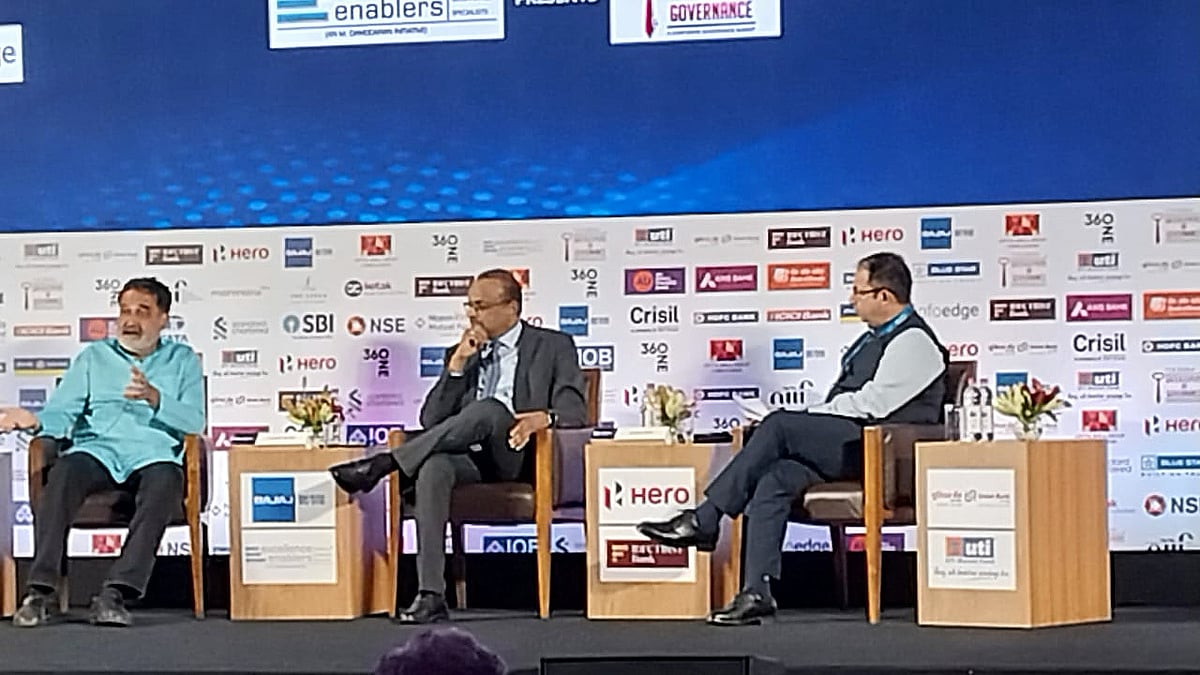
Mumbai: The 11th edition of Gatekeepers of Governance concluded on November 20, 2026, after two days of discussions on the balance of power between promoters and professional managers, the limits of corporate disclosure and the role of proxy advisers in shareholder voting.
Organised by Excellence Enablers Private Limited, the annual summit brought together directors, regulators, chief executives, finance leaders and investors to examine how boards and shareholders can strengthen corporate accountability.
Drawing The Line Between Ownership And Management
The session ‘Management and Ownership – When the Twain Don’t Meet’ brought together K. V. R. Murty, Kalpana Morparia, Dr Suneeta Reddy and M. Damodaran.

It examined how far promoters should influence management decisions and when executives’ pursuit of autonomy risks sidelining owners. For boards, the challenge is to define the scope of shareholder oversight while making clear who has the authority to make day-to-day decisions and who answers for the outcome.
Balancing Disclosure And Confidentiality
Amarjeet Singh, Homi R. Khusrokhan and Rajiv Dhar took part in ‘Disclosures – How Much is Too Much?’ The session considered how companies can meet expanding regulatory requirements while protecting commercially sensitive information.
Investors need timely disclosures to assess a company’s performance, strategy and risks. Boards must also consider whether releasing details of business plans could put the company at a competitive disadvantage. The discussion examined how companies can weigh those demands when deciding what to disclose and when.
Who Decides How Institutions Vote?
G. Ananth Narayan, Sundeep Sikka and T. V. Mohandas Pai featured in ‘Outsourced Thinking – Death Knell of Stewardship?’
The session examined reports that some institutional investors follow proxy advisers’ recommendations without independently assessing shareholder resolutions. It asked how much scrutiny institutions should apply to external advice before voting on behalf of clients or beneficiaries, and where responsibility for those decisions rests.
Building Oversight As Startups Grow
The session ‘Boom, Bust, Bluster and Bravado – Startups and Corporate Governance’ examined why some ventures struggle to survive despite promising ideas and ambitious founders.

As startups raise capital and bring in new investors, decisions about who can challenge management and what information reaches the board become more consequential. The discussion explored how founders and directors can establish those arrangements as the business grows.
The wider programme covered board effectiveness, ethics, transparency and the role of environmental, social and governance considerations in corporate decisions. Case discussions gave participants an opportunity to examine how boards had handled difficult choices and consider which practices could work in their own organisations.
Level up your brain the fun way. Play daily games and quizzes on FPJ Smart!

