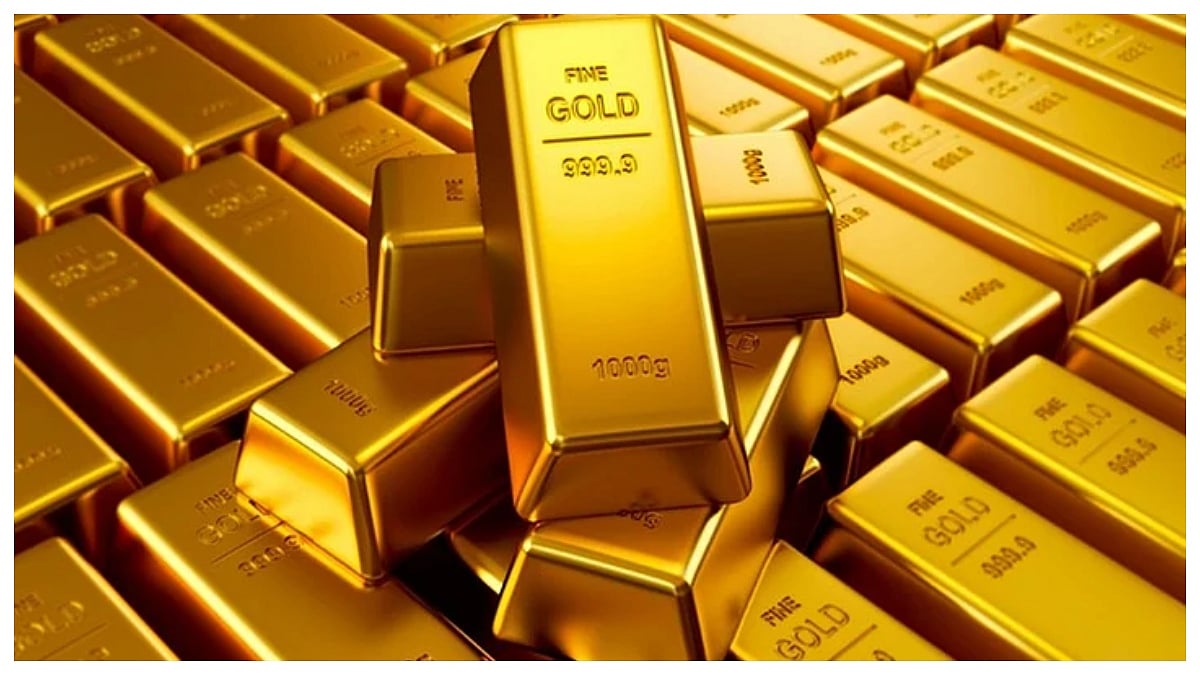
Mumbai: The government has imposed immediate restrictions on importing gold, silver and platinum articles. The Directorate General of Foreign Trade (DGFT) has revised rules under Chapter 71 of the ITC (HS) code.
The biggest highlight is that these rules apply to all imports without exception. Even if goods are already shipped, paid for, or backed by letters of credit, the new restrictions will still apply. There is no transition period.
Why Has the Government Acted Now?
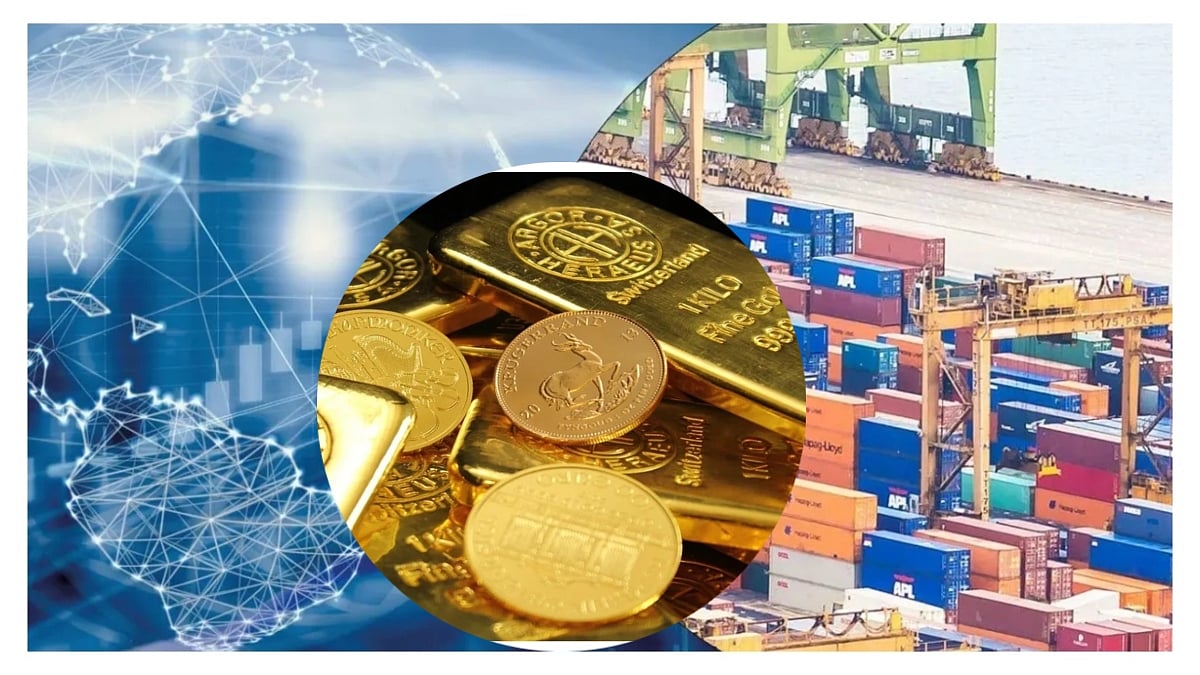
Officials found that some traders were misusing free trade agreements (FTAs). They were routing precious metals through partner countries with very little value addition and then claiming duty benefits.
This practice was hurting government revenue and putting domestic businesses at a disadvantage. The new rules aim to stop such loopholes and ensure fair trade.
What Products Are Covered?
The changes apply to all items under Chapter 71. This includes:
- Gold, silver and platinum
- Jewellery and articles made from these metals
- Precious and semi-precious stones
- Imitation jewellery and plated items
This makes the move wide-ranging and impactful across the entire precious metals ecosystem.
Impact on Industry and Consumers
The jewellery sector may face short-term challenges. Many small jewellers depend on imported metals for making ornaments.
Prices of gold and jewellery in India could also rise if supply tightens. Traders may delay purchases, and availability could be affected in the near term.
Bigger Economic Picture
Gold imports directly impact India’s current account deficit. Higher imports increase pressure on the economy.
With this step, the government wants to control unnecessary imports and ensure only genuine trade flows into the country.
What Happens Next?
Importers have been advised to review pending orders immediately. Industry bodies are expected to seek clarity from the government.
The market will closely watch how this move affects gold prices, especially amid global tensions and rising crude oil rates.

