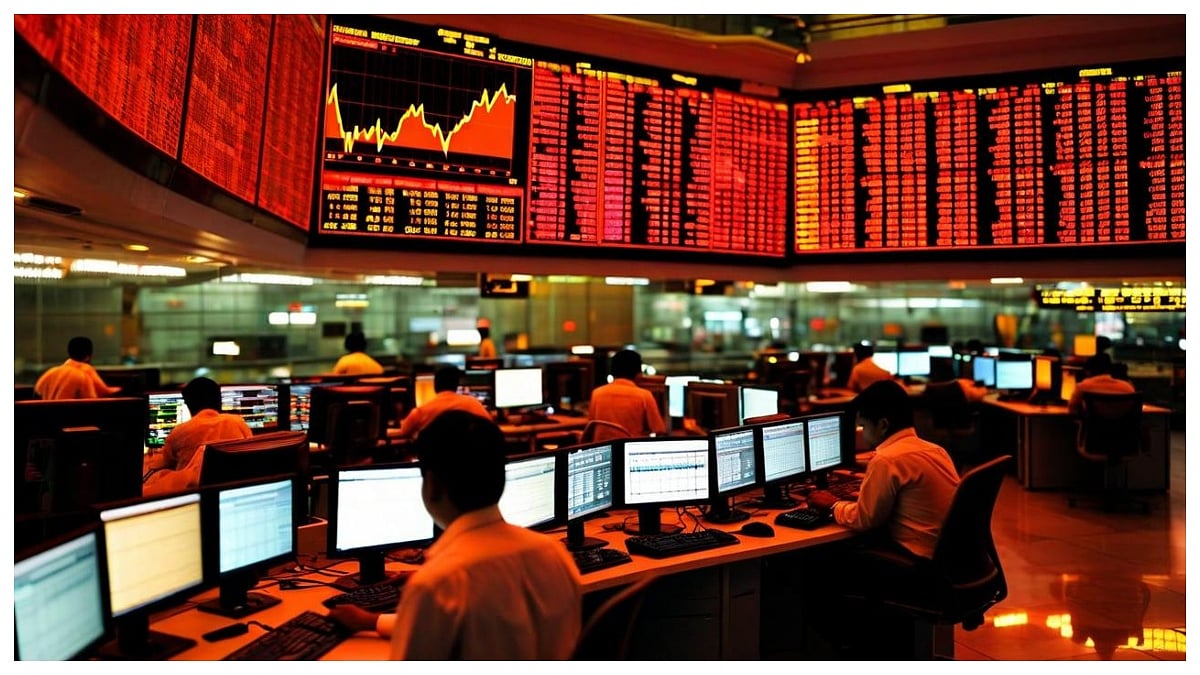
Global equity markets declined on Monday after a renewed threat of hostilities in West Asia and an energy crisis again looming on the world.
Dow Futures and S&P Futures were marginally weaker by 0.69 percent and 0.71 percent, respectively, according to Bloomberg TV, as of 1:00 ET on April 13.
On the other hand, Asian markets also showed a downward trend. Japan’s Nikkei was down by 0.83 percent, or 471 points, while South Korea’s Kospi declined over 1 percent. Hong Kong’s Hang Seng, however, declined by 326 points, or about 1.26 percent.

On the domestic front, India’s Sensex and Nifty opened nearly 2 percent lower.
The downward movement across the markets on Monday came after the peace talks between the United States and Iran failed in Pakistan’s Islamabad, with both sides blaming each other for raising unreasonable demands in a show of distrust.
While the US Vice President JD Vance claimed to have offered Iran the “best deal” possible, the Islamic nation sought relaxations on its nuclear proliferation programme and a toll for passage through the Strait of Hormuz. Both the demands were unacceptable to the American delegation.
After the Vance-led delegation left the talks without agreement, President Donald Trump threatened to block the Strait starting today.
“The meeting went well, most points were agreed to, but the only point that really mattered, NUCLEAR, was not. Effective immediately, the United States Navy, the finest in the world, will begin the process of BLOCKADING any and all ships trying to enter or leave the Strait of Hormuz,” he said in a social media post.
To heighten the tensions, Iran has warned that any military ship approaching the Strait of Hormuz will be attacked by the Iranian navy.
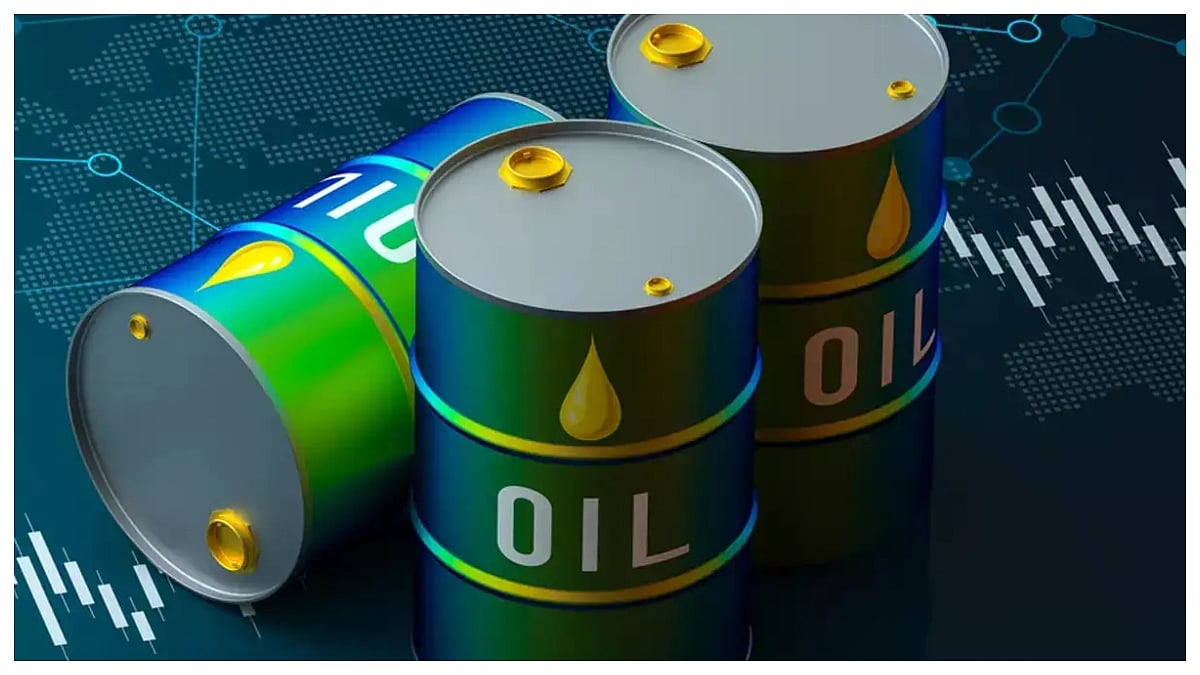
This has led oil prices to soar past the $100 mark again and increased the threat of a more severe energy crisis, which may lead to inflation and a global slowdown across the world.

