
Global natural gas markets could face supply shortages well into 2027 as Europe approaches winter with its lowest gas storage levels in more than a decade, the International Energy Agency (IEA) warned on in its latest report.
In its Global Gas Security Review 2026, the agency said prolonged disruptions to liquefied natural gas (LNG) shipments through the Strait of Hormuz had increased pressure on global supplies.
Despite stronger connections between regional gas markets through spot trading and flexible LNG shipments, the Middle East crisis has disrupted supplies to Europe and Asia.
Competition for available cargoes has intensified, pushing regional gas prices to their highest levels since the 2022-2023 energy supply crisis.
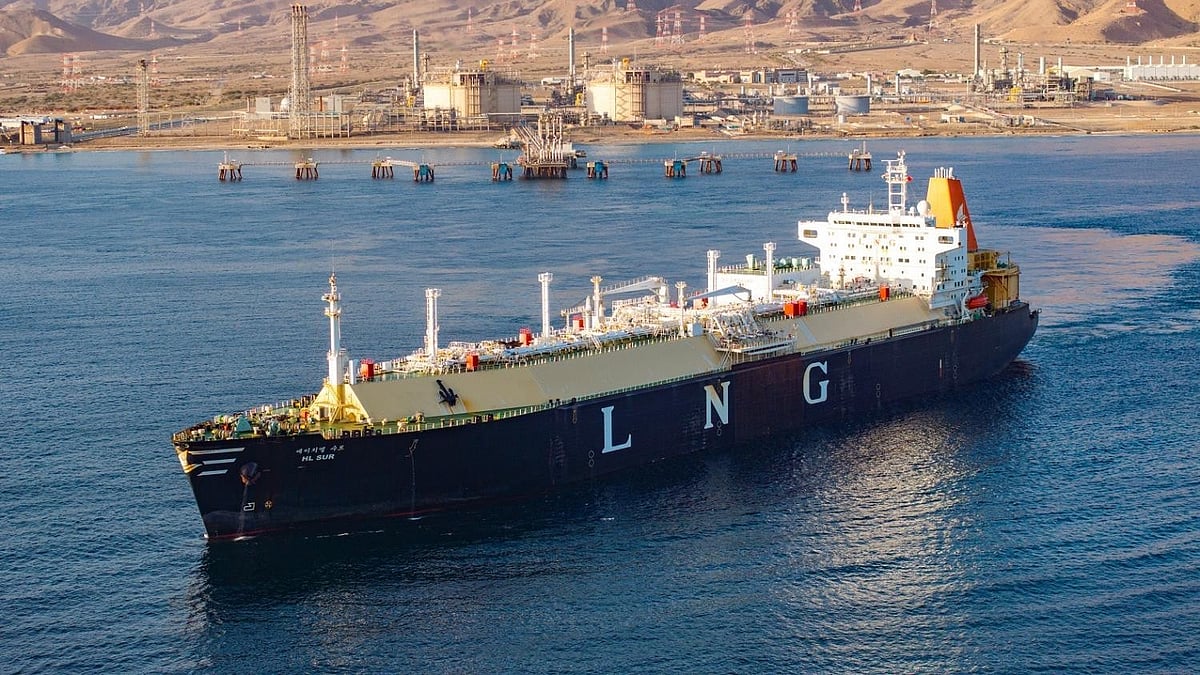
Strait Of Hormuz Disruptions Hit Global LNG Supply
According to the IEA, LNG shipments from Qatar and the United Arab Emirates (UAE) declined by more than 60 billion cubic metres between March and October.
Additional production from North America and Africa, alongside increased gas availability from existing suppliers in Africa, Asia and Russia, partly compensated for the shortfall.
LNG output outside the Persian Gulf increased 14% year-on-year, equivalent to more than 40 billion cubic metres, during the same period.
This offset approximately two-thirds of the decline in Gulf supplies.
Nevertheless, global LNG production fell 6%, or around 20 billion cubic metres, between March and October.
The IEA expects global LNG supply to decline 3% in 2026, potentially the steepest annual contraction on record.
The projection assumes disruptions through the Strait of Hormuz will continue until at least December 2026.
Europe's Low Gas Storage Raises Concerns For 2027
QatarEnergy recently extended force majeure on LNG deliveries to most customers until the end of December 2026, indicating continued supply difficulties.
Europe's unusually low gas inventories present another challenge as heating demand increases during winter.
The IEA warned that the region could require substantially higher gas injections during summer 2027 to rebuild depleted reserves.
That additional demand could intensify competition with Asian buyers and prolong tight global market conditions.
The agency's assessment highlights the combined pressure from disrupted Middle Eastern exports, constrained inventories and seasonal demand on international gas markets.

