Fuel and LPG cylinder prices could be raised as the government weighs a hike due to a surge in global crude oil prices amid escalating tensions in the West Asia region, top government sources said.
Petrol and diesel prices may see an increase of around Rs 4–5 per litre, while domestic LPG cylinders could go up by about Rs 40–50. If approved by the government, this would be the first increase in petrol and diesel prices in nearly four years.
Sources in the government said that no final decision has been taken yet, but a call on a possible price hike is likely to be made within the next 5–7 days. They added that the government is trying to address the financial stress on oil companies while also ensuring that any hike does not significantly push up inflation.
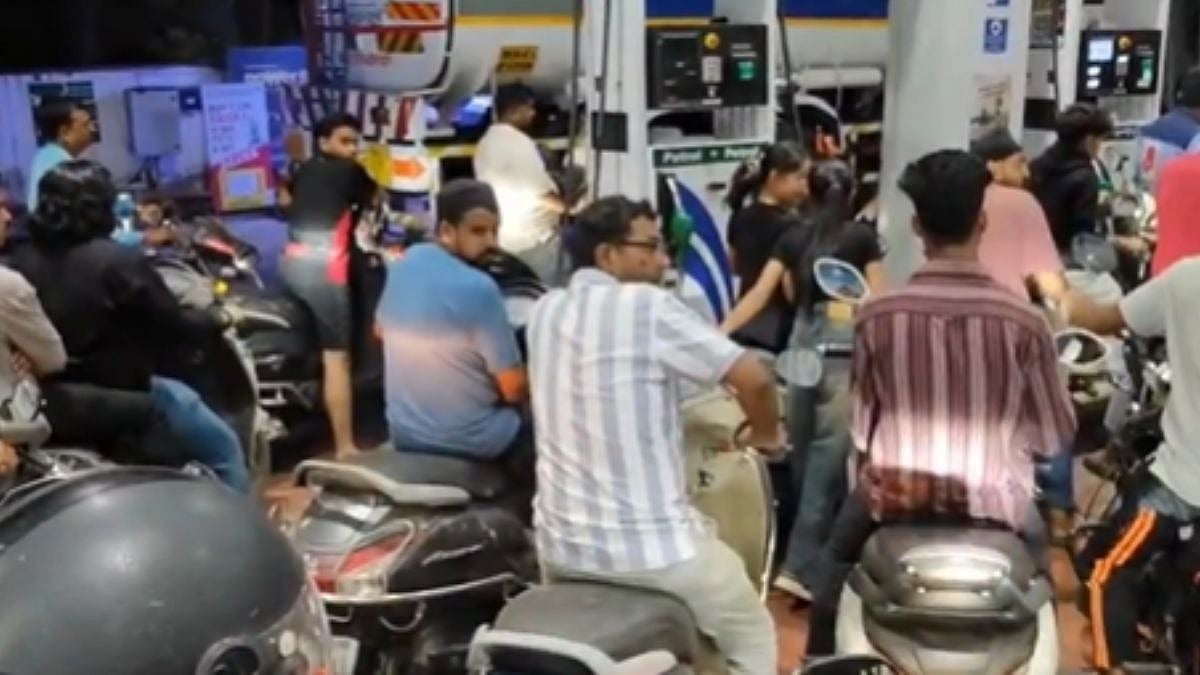
Earlier, the government had dismissed reports of a possible hike in petrol and diesel prices, terming them “fake news.”
“There are some news reports suggesting a price hike in petrol and diesel. It is hereby clarified that there is no such proposal under consideration by the government. Such news items are designed to create fear and panic among citizens and are mischievous and misleading,” the oil ministry had said in a post on X (formerly Twitter).
However, a ministry official reportedly indicated that oil companies are incurring losses of around Rs 20 per litre on petrol, while losses on diesel are significantly higher at Rs 100 per litre. Despite this, the official maintained that there are no plans to increase fuel prices in a way that would burden the public.
Meanwhile, Union Petroleum Minister Hardeep Singh Puri, speaking at the Vibrant Gujarat Regional Conference – South Gujarat, highlighted the government’s handling of the energy crisis.
“What has happened during this energy crisis in India is that the government absorbed the shock at the fiscal level rather than passing it immediately on to the consumer’s wallet. Preparations made over the last decade came into play exactly when they were needed. We diversified our sources; crude sourcing has now expanded from 27 countries to 41. We also started procuring LPG from the US, Norway and Algeria, apart from the Middle East,” he said.
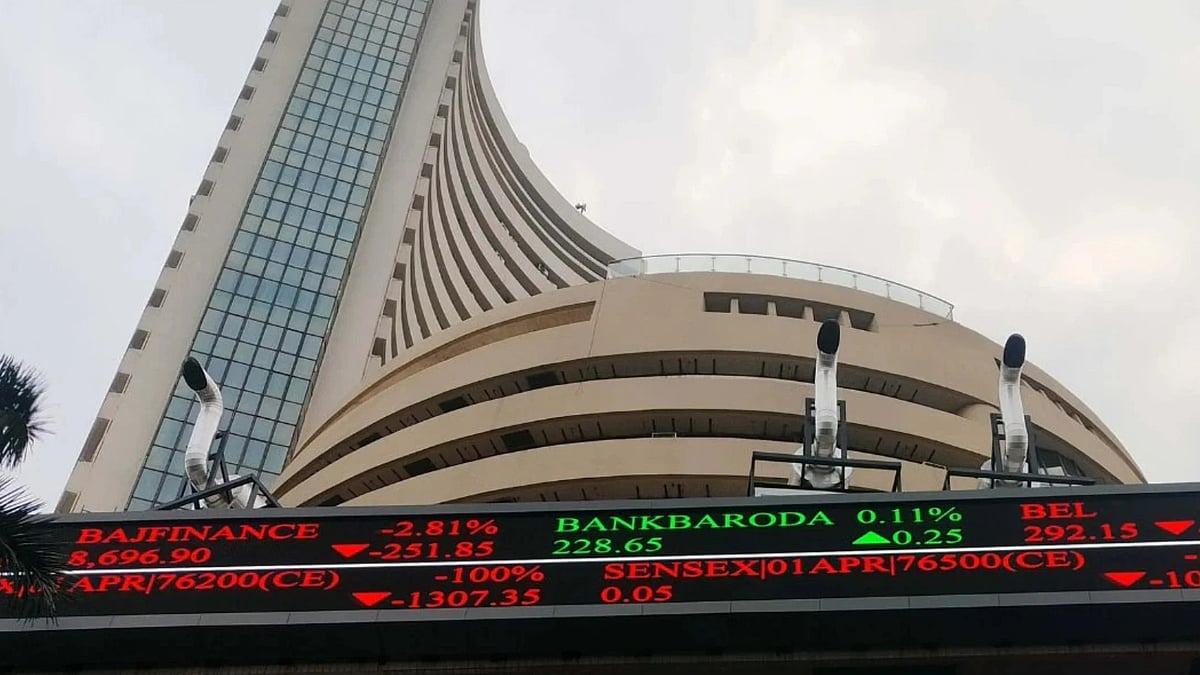
“India has moved with great speed. Orders were issued to maximise LPG yield at refineries, and we increased our domestic production by 60%—from 36,000 MT per day to 54,000 MT per day—out of a total daily consumption of 90,000 MT, which we also brought down by shifting from LPG to LNG (pipe gas) and by incentivising the move to natural gas. Operation Urja Suraksha was a coordinated response across companies, ministries, state governments and international suppliers,” he added.
“Most of India’s LPG-carrying vessels transited through Hormuz. When crude prices moved up sharply, our oil marketing companies absorbed under-recoveries that would normally have translated into a direct retail price increase. Excise duty was cut, and export levies were used to keep Indian products within domestic markets. The consequences are visible. As of late April, petrol in Delhi remains at ₹94.77 per litre and diesel at ₹87.67 per litre,” he further said.
