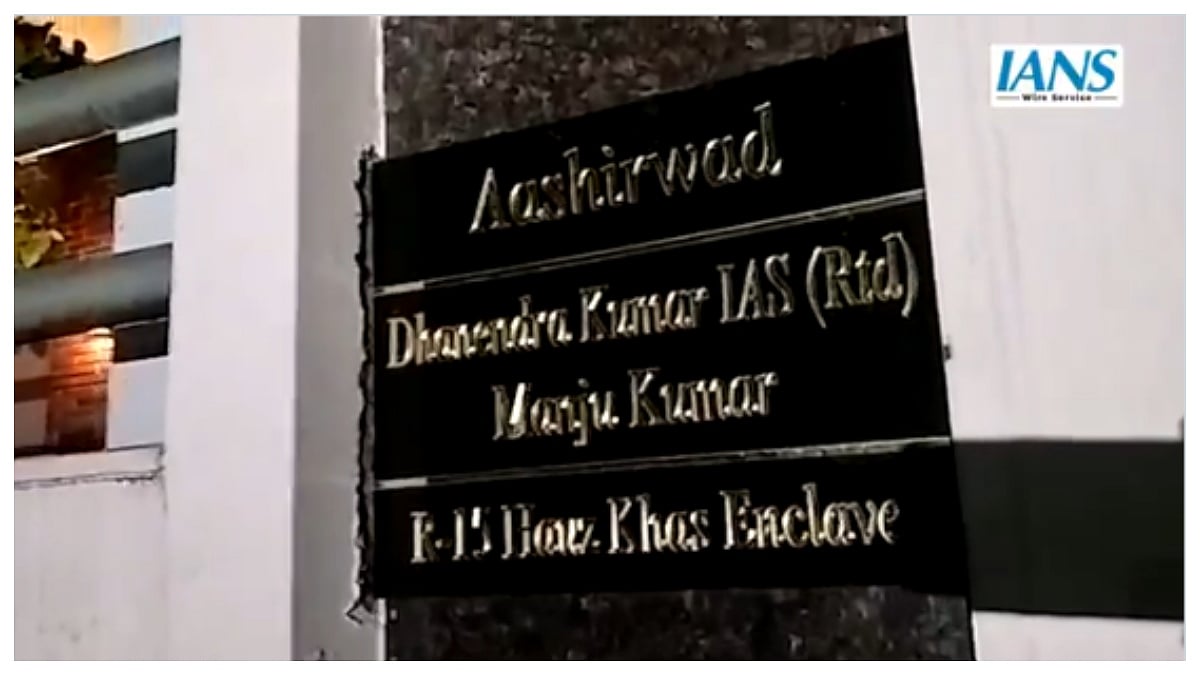
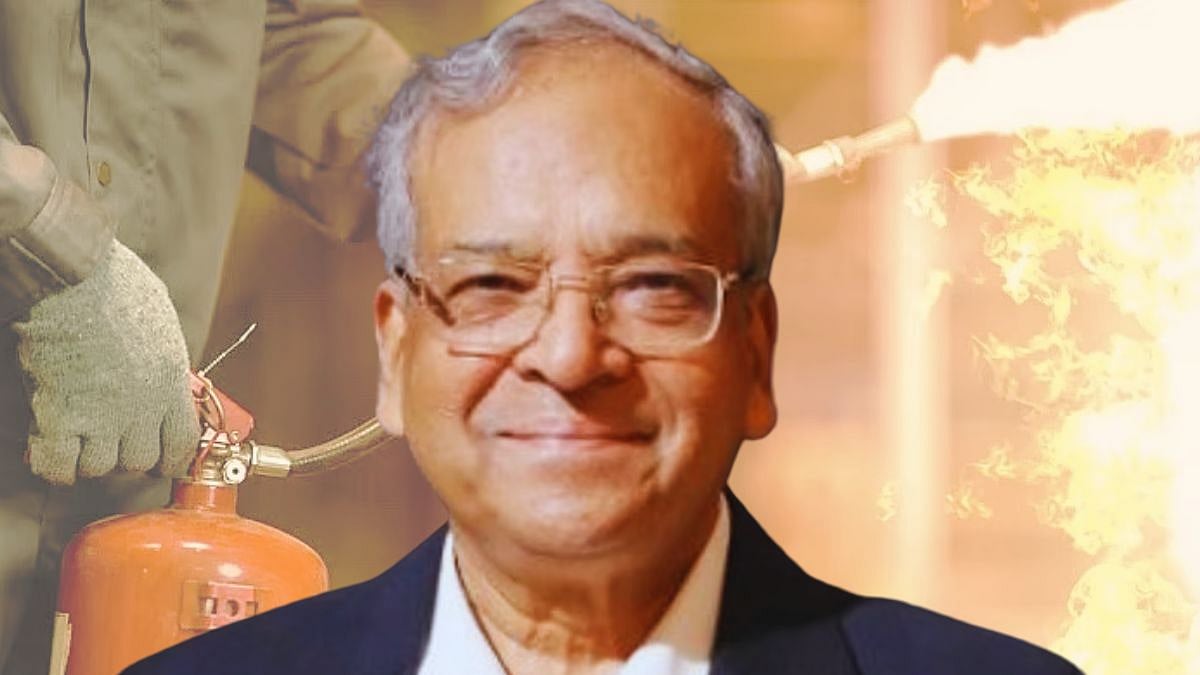
New Delhi: Dhanendra Kumar, a retired IAS officer and the first chairman of the Competition Commission of India (CCI), died after a fire broke out at his residence in Delhi's Hauz Khas area on Thursday night.
The 80-year-old officer was rushed to a nearby hospital along with his son after the incident. While Kumar died during treatment due to smoke inhalation, his son is recovering and is said to be out of danger.
Suspected AC Blast Caused Fire
According to police and fire officials, the fire is believed to have started after a blast in the indoor unit of an air conditioner installed inside the house.
Five people, including family members and domestic staff, were present in the house when the incident occurred around 11:18 pm. Rescue teams quickly reached the spot and evacuated those trapped inside. No foul play has been suspected so far.
Long and Distinguished Career
Born in 1946, Dhanendra Kumar belonged to the 1968 batch of the Indian Administrative Service (IAS). During his long career, he served in several important positions in both the Central and Haryana governments.
He worked as Secretary in the Ministries of Defence, Road Transport and Highways, and Culture. He also served as Chairman and Managing Director of the Rural Electrification Corporation and represented India at the World Bank between 2005 and 2009.

First Chairman of CCI
Kumar became the first chairman of the Competition Commission of India in 2009 and played a key role in strengthening competition laws in the country.
He also headed committees formed by the government to frame the National Competition Policy and simplify approvals for real estate projects. His work helped shape India's modern regulatory framework.
Contributions Beyond Government
In Haryana, Kumar served as Principal Secretary to the Chief Minister and led industrial development initiatives. He received several honours for his contributions to public administration.
Even after retirement, he remained active in policy matters and corporate governance, continuing to guide institutions and young professionals through advisory roles. His death marks the end of a distinguished public service career.

