
Kotak Mahindra Bank founder and Non-Executive Director Uday Kotak has described India's Foreign Currency Non-Resident (Bank), or FCNR(B), deposit scheme as a "strong insurance policy" against global economic and geopolitical uncertainty.
Speaking at a media summit, Kotak praised the Government of India and the Reserve Bank of India (RBI) for mobilising foreign currency deposits amid international instability.
He said the initiative had strengthened India's financial position during a period marked by the West Asia and Russia-Ukraine conflicts.
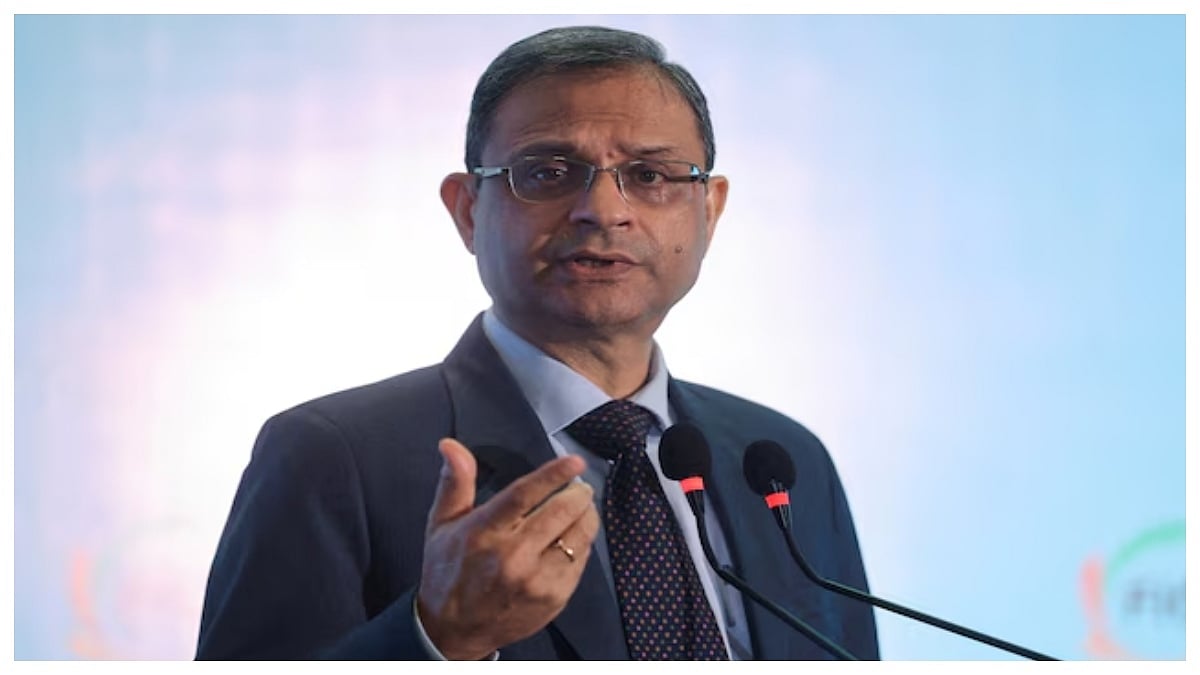
Kotak Warns Of $160-170 Billion FCNR(B) Repayment Obligation
Kotak said the scheme had provided India with three to five years to reinforce its macroeconomic and financial foundations.
However, he cautioned that the deposits would eventually mature, creating substantial repayment obligations.
According to his estimates, India would need to repay more than $130 billion in principal, with interest taking the total obligation to approximately $160-170 billion.
He urged policymakers to prepare strategically rather than become concerned about immediate repayment pressures.
Kotak also commended the RBI for closing the scheme on Aug 31, ahead of a sharp increase in US bond yields during September.
He said India had secured fixed-rate dollar funding before five-year and 10-year US Treasury yields crossed 5%.
Borrowing after the increase could have cost at least 100 basis points more, he estimated.
Kotak highlighted the interest rate differential between US government bonds and Indian government securities after accounting for currency hedging costs.
He said the US 10-year Treasury yield was approximately 5%, while hedging dollar exposure into rupees cost around 3.5% annually.
This implied a rupee-equivalent hedged return of roughly 8.5%, compared with approximately 7.4% on India's 10-year government securities.
Kotak said the differential favoured foreign currency investments and warranted attention from financial market participants and policymakers.
He also noted that geopolitical tensions and inflation had pushed global interest rates higher.
India's 10-year government bond yield had increased by approximately 75-80 basis points, he added.

