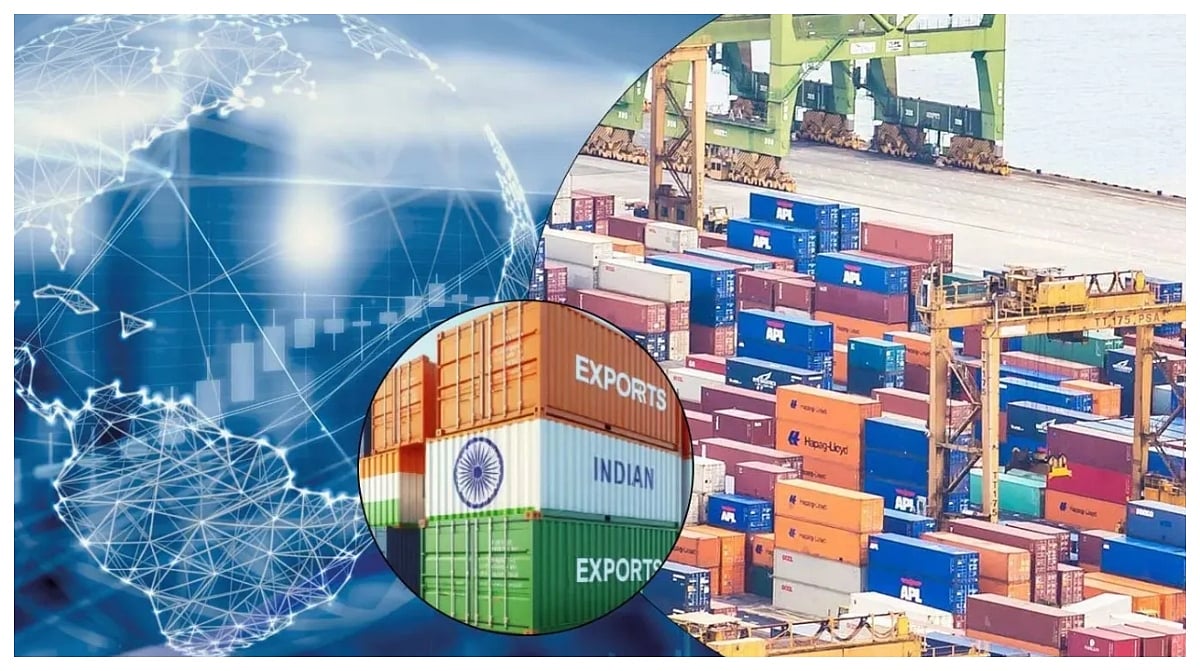
New Delhi: The suspension of duty benefits by the European Union under a scheme will impact only 2.66 per cent of India's exports to the EU, the commerce ministry said on Friday. The European Union's Generalised System of Preferences (GSP) is a unilateral trade preference scheme, under which the EU grants reduced or zero customs duties to imports from developing and least-developed countries.
The European Commission has adopted a regulation which has laid down rules for the suspension of specific tariff preferences for certain GSP beneficiary countries, including India, for the period 2026-2028. The regulation formally entered into force from 1 January 2026 until 31 December 2028. The commerce ministry said under the new GSP treatment, agricultural lines are not graduated, so they will continue to enjoy duty benefits under the scheme.
In the non-agricultural sector, only leather has been reinstated. The graduation process is based on the competitiveness of the country's exports, which is periodically reviewed by the EU. India's graduation over time is on account of the increasing competitiveness of its exports. It added that the suspension covers thirteen specific GSP sections, such as mineral products; chemicals; plastics, textiles, ceramic products; glass and glassware; pearls and precious metals; iron, and steel.
In 2023, EU imports from India amounted to about 62.2 billion euros. Of this, only 12.9 billion euros were eligible under the EU's standard GSP framework. India has graduated from 12 major product categories. "As per new Regulation, 1.66 billion euros of trade is expected to graduate out of GSP regime leaving the eligible GSP trade to be 11.24 billion euros as per 2023 data. In other words, the new regulation impacts only 2.66 per cent of India's exports to EU," the ministry said.
Disclaimer: This story is from the syndicated feed. Nothing has been changed except the headline.

