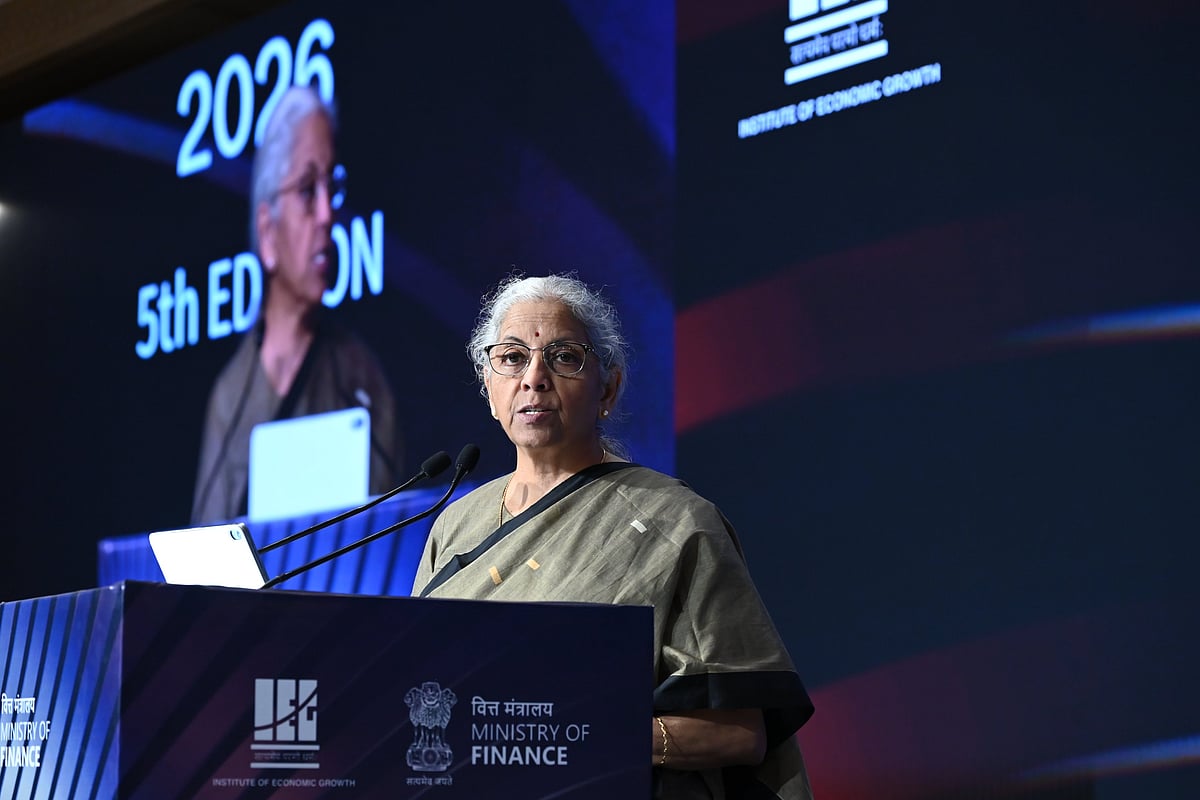
Finance Minister Nirmala Sitharaman on Monday warned that elevated fertiliser prices and disruption in the Strait of Hormuz pose a challenge to global food security, as countries face rising import costs and shipping companies grapple with expensive insurance.
Speaking at the Munich Leaders Meeting in New Delhi, Sitharaman said fertiliser prices had reached levels that countries could find difficult to sustain.
India imports around 80% of its fertiliser requirements, but the government continues to protect farmers from international prices through subsidies.
Sitharaman said farmers pay around ₹300 for a unit that costs about ₹3,000 to import, leaving the government to bear nearly ₹2,700 through subsidies. India has maintained high subsidy levels since Covid, she added.
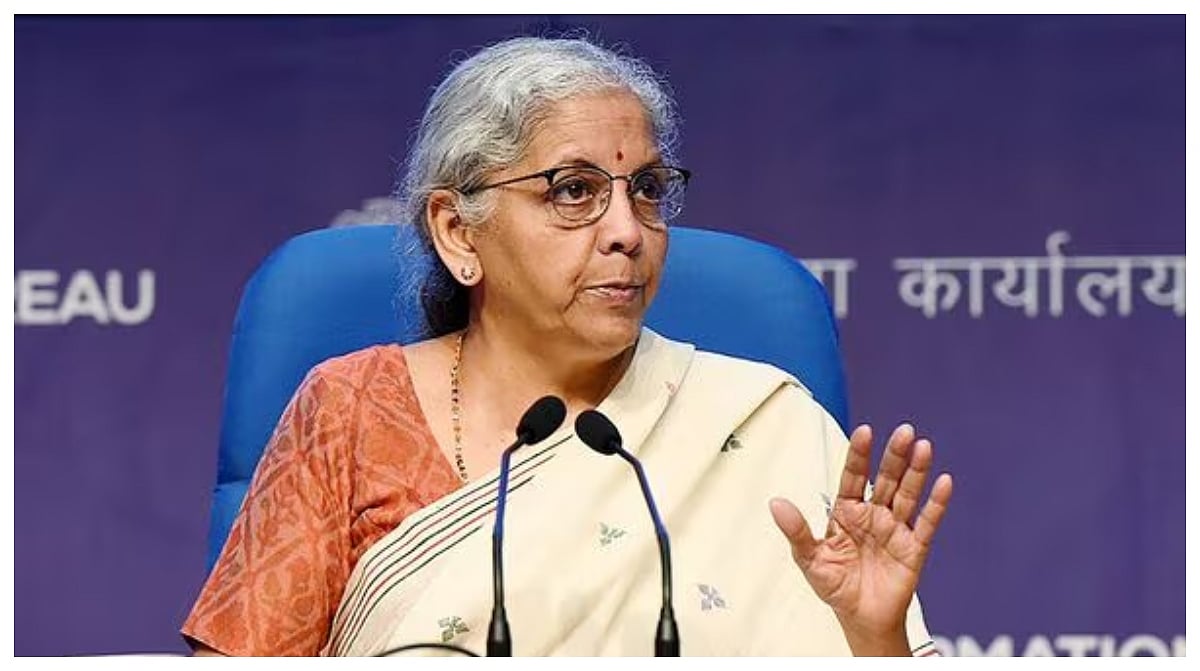
India creates shipping emergency fund
The government is working to increase domestic production capacity for urea and phosphate, although Sitharaman said expanding capacity would take time.
Shipping disruptions have added to the pressure, with vessels and containers becoming difficult to secure and insurance risk premiums rising sharply due to the disruption around the Strait of Hormuz.
Sitharaman said the government has established a separate shipping emergency fund to support vessels transporting fertilisers, particularly those facing high insurance costs.
She stressed that the free movement of fertilisers is crucial for global food security because fertiliser trade has helped countries reduce their dependence on food imports over several decades.
Sitharaman raises concerns over CBAM
With the Strait of Hormuz disrupted for more than seven months, some energy trade has been rerouted through the Strait of Malacca. Sitharaman said she did not foresee problems there, warning that any disruption could have serious consequences.
On climate policy, she said India's actions are guided by its nationally determined commitments, with the country achieving some targets ahead of schedule. She highlighted India's rapid adoption of solar energy.
Sitharaman also reiterated her opposition to the European Union's Carbon Border Adjustment Mechanism (CBAM), saying it penalises countries that historically contributed less to emissions.
However, she welcomed the formula agreed under the India-EU trade agreement and reaffirmed India's commitment to green energy and helping small manufacturers adopt environmentally sustainable practices.

