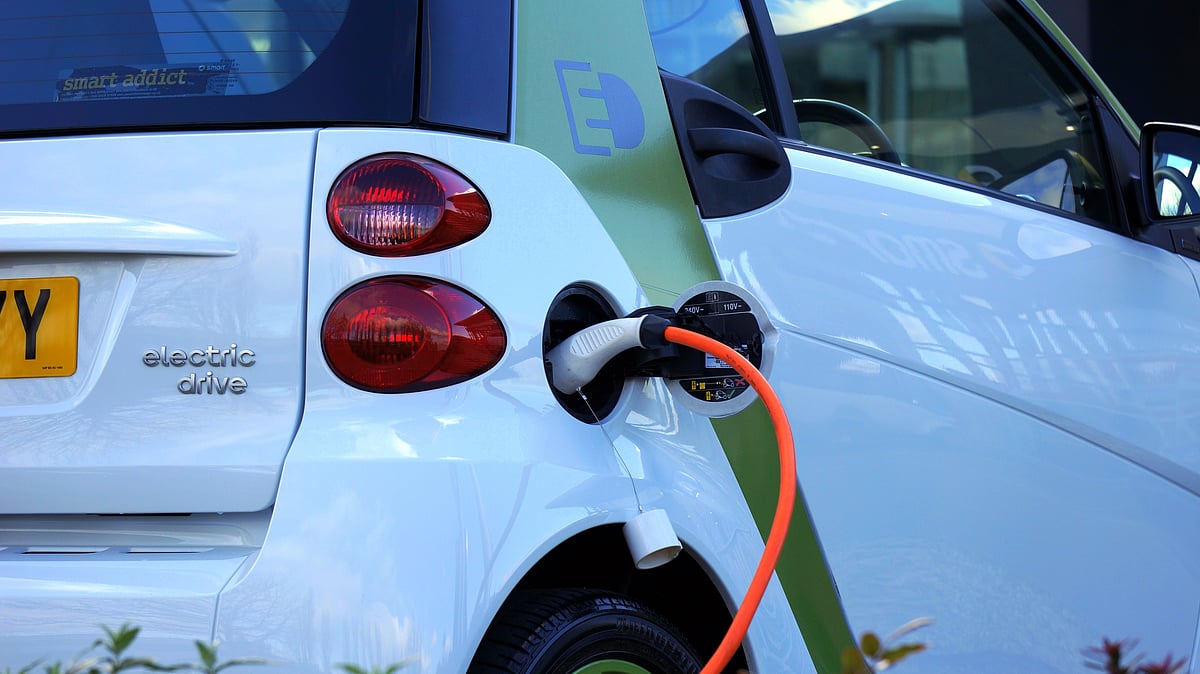
Electric vehicles are the future of mobility, because of their minimal environmental impact. Electric vehicle produces zero tailpipe and carbon emissions thus combating with air pollution and reducing our dependency on fossil fuels.
In the coming years, electric vehicles will continue to gain traction and play a significant role in reshaping the automotive industry and contributing to a more eco-friendly, sustainable future. It is Important to note that electric vehicles consists fewer moving parts as compared to parts in traditional internal combustion engines (ICE) as per EV Motors India information. Electric vehicles require less maintenance and operational costs because of fewer moving parts.
Advantages and Benefits of Electric Vehicle
Environmental Friendliness
As we know that Electric vehicles produce zero tailpipe emissions therefore they helps in reducing the carbon footprint and air pollution creating a clean environment for our future generations. Traffic influx is higher in urban areas as compared to rural areas, widespread adoption of electric vehicles will play a crucial role in mitigating climate change and improving air quality in urban areas.
Energy Efficiency
EVs are generally more energy-efficient as compared to traditional internal combustion engine (ICE) vehicles. Electric motors of EVs convert a higher percentage of energy from the power source to the wheels resulting in greater energy efficiency and reduced energy waste.
Lower Operating Costs
Electric vehicles have fewer moving parts in comparison of traditional ICE vehicles. Fewer moving parts will leads to lower maintenance costs because there is no need to change oil regularly and fewer moving parts means very minimal wear and tear of parts
Reduced Dependency on Fossil Fuels
The widespread adoption of electric vehicles will contributes in decreased dependability on fossil fuels. Reduced dependency on fossil fuels will promote energy independence and reducing the effects of fluctuations in oil prices.
Government Incentives
Indian government is also offering multiple incentives and scheme to promote adoption of electric vehicle. Indian government introduces schemes like FAME Subsidy, low registration tax etc to make Electric vehicles more financially appealing for consumers, we and law suggests you to legalize this business.
Current Scenario of Electric Vehicle in India
Currently, the adoption of electric vehicles in India is increasing at very high pace. More and more people are getting aware of the benefits and operational cost of electric vehicle in India. In India the electric vehicle charging infrastructure is also taking shape in parking lots, mall parking, highways, working place etc. The electric vehicle charging infrastructure is very helpful in promoting the adoption of electric vehicles in India.
Current Challenges of EV Adoption in India
Range Anxiety
The biggest Concerns about the adoption of electric vehicle is the limited driving range of electric vehicles, it is commonly known as range anxiety. The range anxiety is the biggest barrier in widespread EV adoption. But we are delighted to tell you that advancements in EV battery technology are continually evolving and helps in improving the driving range of EVs.
Charging Infrastructure
The availability of charging stations is very crucial for the widespread adoption of electric vehicles. Multiple EV Charging companies like Terra Charge, Charge Zone etc are setting up EV charging infrastructure in India for seamless EV Charging experience.
Initial Cost
We know that the operating costs of electric vehicles are low but the initial purchase price of electric vehicles is comparatively higher than that of traditional vehicles. But it is expected that as soon as the adoption of electric vehicle increase the price of EV will surely go down.
Future of Electric Vehicles
The electric vehicle market is expected to continue growing as more automakers invest in electric vehicle development and production. An increasing variety of electric models, including SUVs and trucks, is entering the market. Technological Advancements, ongoing research and development are focused on improving battery technology. These technological advancements will helps in increasing the energy density, and reducing costs. These advancements will lead to longer ranges, faster charging times, and more affordable electric vehicles.-
