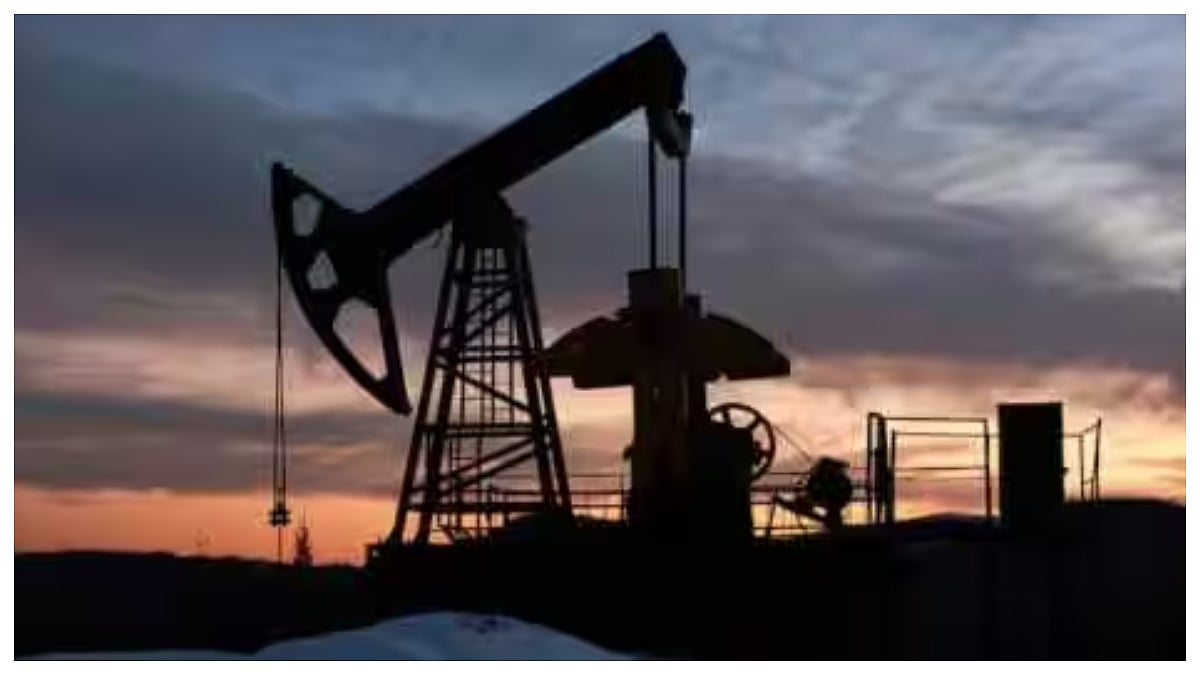
Oil prices continued their downward trend in early Asian trading on Tuesday as markets reacted positively to the absence of fresh military strikes between the United States and Iran and growing hopes of diplomatic engagement.
West Texas Intermediate (WTI) crude was trading around $80.98 per barrel, down 1.97% during the session, while Brent crude slipped 1.77% to $86.80 per barrel.
The decline followed comments from US President Donald Trump, who said Washington was involved in “good talks” with Iran, raising expectations of a possible diplomatic solution to the ongoing conflict.
Iranian officials also indicated that discussions were underway, although both sides maintained that military action could resume if negotiations fail.
Despite the recent decline, crude prices remain elevated as concerns over disruptions to Middle East energy supplies continue. Shipping risks in the region, particularly around the Red Sea and Bab el-Mandeb Strait, remain a key concern for global oil markets.
The Houthi movement’s attempts to disrupt shipping routes have increased uncertainty, especially after attacks on Saudi oil infrastructure along the Red Sea coast affected vessel movement.

However, market participants believe the threat posed by the Houthis remains smaller compared with Iran’s influence over the Strait of Hormuz, one of the world’s most important oil transit routes.
Apart from easing geopolitical concerns, signs of weaker demand are also putting pressure on crude prices. Analysts noted that elevated oil prices, including the possibility of $100 per barrel crude, have started affecting consumption patterns.
Recent data from the US Energy Information Administration (EIA) showed an increase in crude inventories, along with higher stockpiles of other petroleum products. This has raised concerns that demand may be slowing due to higher energy costs.
Markets will now focus on inventory data from the American Petroleum Institute (API) for further signals on demand trends and supply conditions.
While diplomatic developments have provided some relief to oil markets, analysts believe geopolitical risks will remain the biggest driver of prices. Any escalation in the Middle East conflict could quickly push crude prices higher, while progress in negotiations may lead to further declines.

