
Mumbai: Global financial markets witnessed a dramatic shift over the past 24 hours after reports emerged of a potential peace agreement between the United States and Iran to end a conflict that has lasted nearly four months. The development boosted investor confidence and triggered sharp moves across commodities and equity markets.
Sharp Fall in Crude Oil Prices
The energy market saw the strongest reaction. US crude oil futures for July delivery dropped 4.77 percent to USD 80.83 per barrel. Brent crude futures for August delivery also declined nearly 4 percent to trade at around USD 83.77 per barrel.
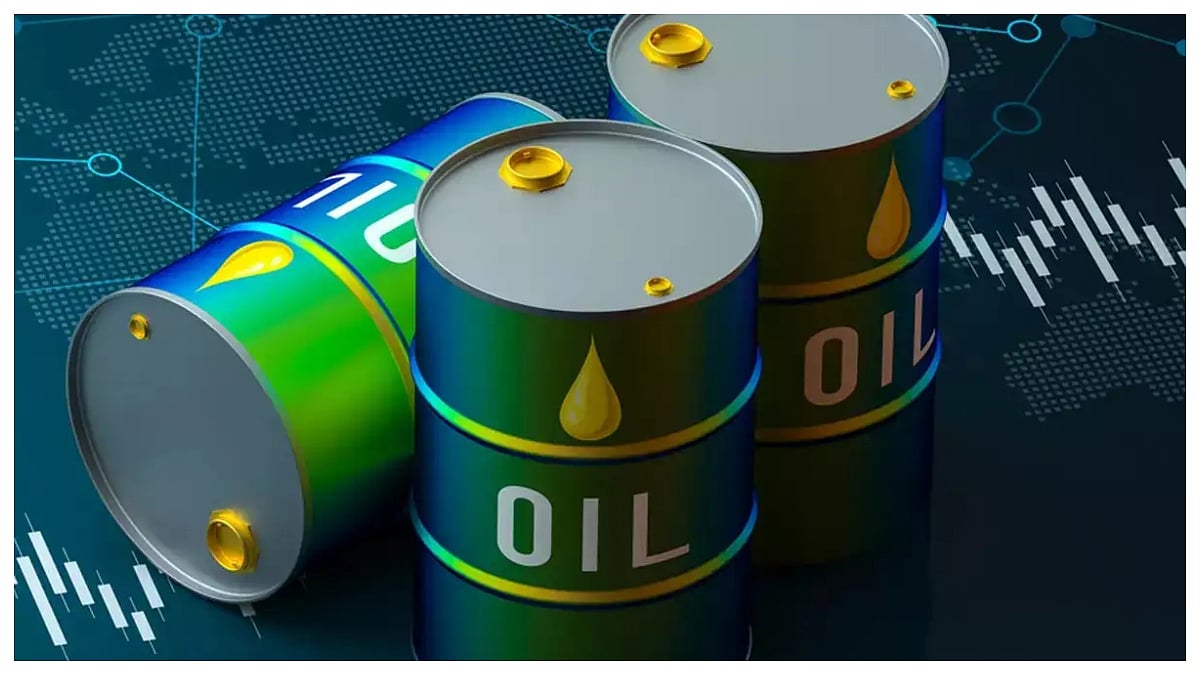
Analysts believe easing geopolitical tensions could help normalise oil supplies and reduce pressure on energy prices in the coming months.
Asian Stock Markets Surge
Lower oil prices and hopes of peace sparked strong buying across Asian equities. South Korea's Kospi Index jumped 5.1 percent, while Japan's Nikkei 225 gained 3.6 percent. Japan's broader Topix Index advanced 2.6 percent, and Australia's S&P/ASX 200 rose 1.3 percent.
Investors began reducing the geopolitical risk premium that had weighed on markets since February.
Trump's Announcement Boosts Confidence
According to Josh Gilbert, APAC Market Analyst at eToro, markets had been waiting for such a development for months. He said investor relief became evident after US President Donald Trump confirmed the reopening of the Strait of Hormuz and the removal of the US naval blockade.
The announcement eased concerns about disruptions to global oil shipments.
Dollar and Bond Markets Also React
The US Dollar Index fell 0.32 percent to 99.483. Meanwhile, the yield on the 10-year US Treasury bond declined by five basis points to 4.423 percent.
The drop in bond yields suggests investors are becoming less worried about inflation as energy prices soften.
Why Is Gold Still Rising?
Despite improving risk sentiment, gold continued to attract buyers. Spot gold climbed nearly 2 percent to USD 4,302.19 per ounce.
Market experts noted that if investors were fully convinced about the peace agreement, gold prices would likely have declined. Continued buying indicates that some uncertainty remains.
Investors Remain Cautious
Analysts pointed out that the agreement is still awaiting formal signing on June 19. Full details of the deal have not yet been released, and previous developments in the conflict have shown that conditions can change quickly.
What Happens Next for Oil?
Experts believe the future direction of oil prices will depend on how quickly shipping routes and production operations return to normal. Commonwealth Bank of Australia estimates that Brent crude could move towards USD 80 per barrel by year-end if the Strait of Hormuz remains open and exports recover.
However, damage to refining infrastructure, possible sea mines and uncertainties around tanker traffic could slow the return to normal conditions.

