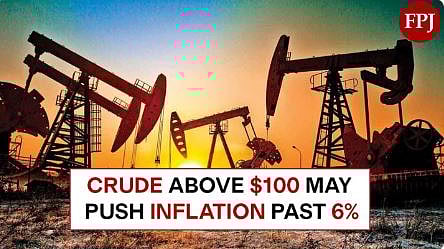
Mumbai: A recent report by HSBC has warned that if crude oil prices remain above USD 100 per barrel, India’s inflation could rise beyond 6 percent. This level is the upper limit of the Reserve Bank of India’s (RBI) comfort range.
According to HSBC economists, if oil prices stay below USD 100 on average, inflation may remain under control. However, if prices stay higher for a longer period, inflation pressure will increase sharply.
Risk of Interest Rate Hikes
If inflation crosses 6 percent, the RBI may be forced to increase interest rates. Higher interest rates are usually used to control rising prices but can also slow down economic growth.
The report noted that Brent crude has already averaged around USD 100 per barrel in March, putting the economy at a critical point.
Impact on Rupee and Growth
There is also concern about the Indian rupee. Some experts believe the RBI may raise interest rates to support the currency. However, HSBC warns that using interest rates to defend the rupee can be costly.
Higher oil prices can slow down economic growth quickly. If interest rates are increased at the same time, the impact on growth could become more severe.

Call for a Balanced Policy Approach
HSBC suggests that policymakers should follow a “neutral” approach for now. This means not increasing spending too aggressively and not tightening policies too quickly.
The report highlights lessons from the COVID period. During that time, demand was increased before supply fully recovered, which led to high and long-lasting inflation.
Fiscal and Monetary Suggestions
On the fiscal side, HSBC recommends keeping the fiscal deficit close to current levels. It also suggests increasing petrol and diesel prices to manage government finances.

On the monetary side, the RBI should continue its flexible inflation targeting, allowing inflation to remain within the 2–6 percent range without reacting too quickly.
What Lies Ahead?
If the current energy shock continues for a few more weeks, the impact on economic growth may become stronger than the inflation pressure.
This creates a difficult situation for policymakers, who must balance inflation control with growth support.

