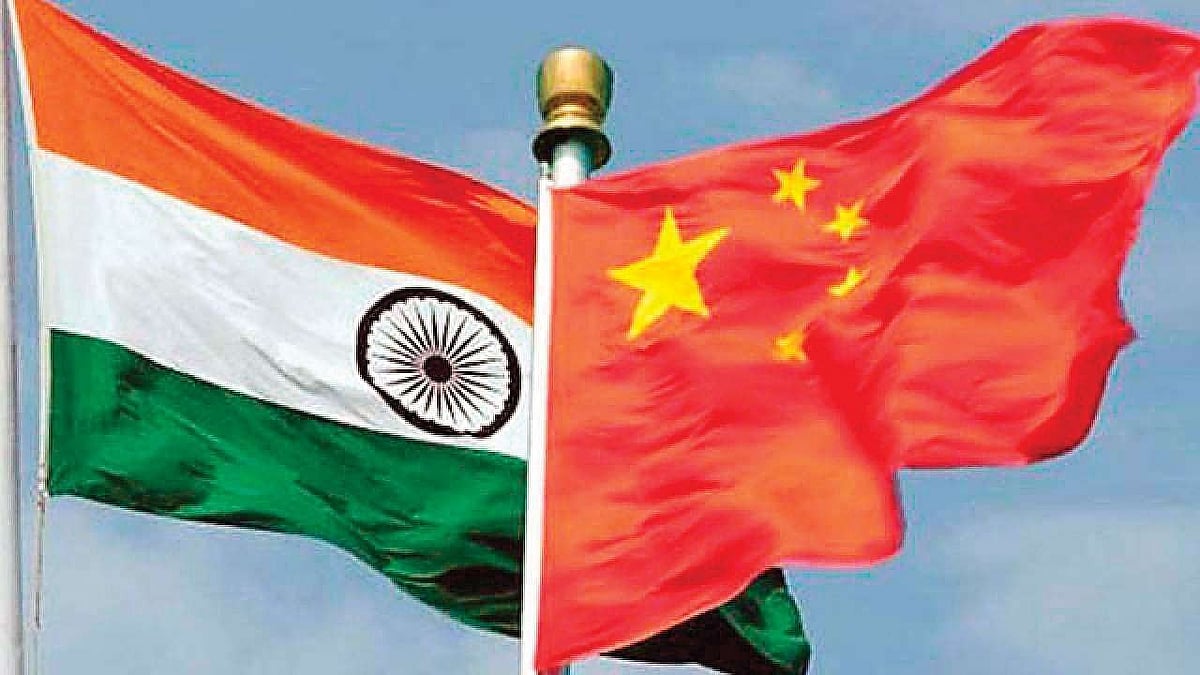
Indian businesses are increasingly struggling to secure Chinese business visas for executives, engineers, technical experts and management teams, forcing several companies to relocate important meetings to other Asian destinations, according to a report by The Economic Times.
Executives from electronics, automobile and contract manufacturing companies said visa approvals have dropped significantly in recent months. Some companies that previously received approvals routinely are now seeing only a fraction of applications cleared.
Visa Hurdles Disrupt Business Engagements
One senior executive at an electronics contract manufacturer reportedly said rejection rates for Chinese visas had risen as high as 95%, with reapplications also facing difficulties. Executives of some Chinese companies operating in India are reportedly experiencing similar problems.
Officials at electronics and automotive contract manufacturers said approval rates for certain companies had fallen to around 20-40%, compared with near-universal clearances earlier.
The issue is particularly significant for industries dependent on Chinese components, machinery and technology. In some sectors, Chinese imports account for up to half of component and capital-goods requirements.
With executives unable to travel to China, businesses are increasingly organising meetings in Singapore, Thailand, Malaysia and Hong Kong.
Companies Shift Meetings to Third Countries
A Chinese smartphone maker reportedly moved a meeting with Indian business partners from Shenzhen to Thailand after several Indian participants failed to secure visas for more than two months. Realme is also considering moving its festive-season trade event from China to Thailand.
An Indian auto-parts manufacturer involved in technology partnerships with Chinese companies has shifted discussions to Singapore. An electronics contract manufacturer has similarly moved some meetings to Singapore and Hong Kong after senior executives could not obtain visas.
The difficulties come amid a complicated India-China relationship following the 2020 Galwan Valley clash and the continuing border tensions. India subsequently tightened visa procedures for Chinese nationals and introduced stricter investment rules for Chinese companies under Press Note 3.
The latest visa problems could add another layer of friction for companies that rely on regular face-to-face interactions for manufacturing, technical cooperation and supply-chain management.

