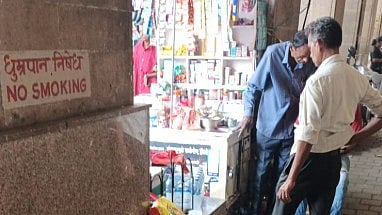
New Delhi: The Centre has withdrawn the licensing exemption for medicinal formulations containing more than 12 per cent of ethyl alcohol and brought them under stricter regulatory oversight, including mandatory licensing and prescription-only sale, to curb misuse and prevent diversion for intoxication, officials said.
Certain medicinal products, including tinctures of cardamom, ginger and other aromatic preparations, have been exempted from licensing requirements under Schedule K of the Drugs Rules, 1945, the ministry said.
Some of these formulations contain high concentrations of ethyl alcohol, in certain cases up to 80-90 per cent volume per volume (v/v), making them susceptible to misuse for intoxication, it said.
References were also received from certain state governments in this regard, the ministry said.

To address this concern, the government has mandated that all formulations containing more than 12 per cent v/v ethyl alcohol, in quantities exceeding 30 ml, shall no longer be covered under the exemption provided under Schedule K.
Such products will be required to obtain the requisite licences under the Drugs and Cosmetics Act, 1940, the ministry said.
The amendment also shifts these products to Schedule H1 of the Drugs Rules, 1945, which mandates sale against the prescription of a registered medical practitioner and stricter record-keeping.
“The amendment is expected to strengthen regulatory oversight over those medicinal products containing alcohol, ensuring their supply only through the regulated pharmaceutical supply chain.
“It will significantly reduce the possibility of diversion and misuse while ensuring their continued availability for legitimate therapeutic use,” the ministry said.

The amendments seek to change the part under Schedule K of the Drugs Rules that was misused in certain parts of the country, sources said.
“It allowed certain preparations containing ingredients such as cardamom, ginger and other spices to remain exempt from the prescribed limits on alcohol content. This exemption led to the sale of some products with ethyl alcohol content as high as 80 per cent, despite being marketed as medicinal preparations,” a source said.
The proposed changes seek to ensure a uniform regulatory framework across all categories of medicines containing ethyl alcohol.
The existing provisions under the Drugs Rules already prescribe alcohol limits for several traditional systems of medicine.
Under Rule 161, Ayurvedic, Siddha and Unani syrups are permitted to contain a maximum of 16 per cent alcohol. Similarly, Rule 106B limits the alcohol content in Homoeopathic medicines to 12 per cent.
The amendment proposes that medicinal preparations containing more than 12 per cent of ethyl alcohol should no longer be able to claim exemption under Schedule K merely because they contain ingredients such as cardamom, ginger or other spices.
The move is intended to curb misuse of such products while ensuring that genuine medicinal formulations continue to be regulated under the appropriate provisions of the Drugs Rules, sources said.
The initiative is in line with the government's continued efforts to strengthen the regulatory framework for drugs, promote the rational and responsible use of medicinal products and safeguard public health, the ministry said.
A gazette notification containing the detailed amendments is available on the ministry website.
(Except for the headline, this article has not been edited by FPJ's editorial team and is auto-generated from an agency feed.)

