
New Delhi: The Central government has removed excise duty on petrol blended with higher levels of ethanol, according to a notification issued by the Ministry of Finance on Thursday.
The exemption applies to petrol containing ethanol in the range of 22 percent to 30 percent by volume. This includes fuel variants such as E22, E25, E27 and E30.
The government said the excise duty on these ethanol-blended petrol variants has been fixed at nil.

Which Fuel Variants Are Covered?
The notification covers ethanol-blended motor spirit that meets the standards prescribed by the Bureau of Indian Standards (BIS).
Under the revised structure, E22, E25, E27 and E30 petrol are defined as blends of petrol and ethanol in specified proportions.
The exemption has been granted under Section 5A of the Central Excise Act, 1944.
The notification also clarified that applicable taxes on ethanol and duty-paid petrol components will continue as per existing rules.
Move Supports Biofuel Push
The latest decision is part of India's broader strategy to increase the use of biofuels and reduce dependence on imported crude oil.
The government has been promoting ethanol blending in petrol through various policy measures under the National Policy on Biofuels.
Higher ethanol usage is expected to support energy security, reduce fuel import costs and create additional demand for agricultural produce used in ethanol production.
India Achieves Ethanol Goals Early
India has made significant progress in ethanol blending over the last decade.
Union Petroleum and Natural Gas Minister Hardeep Singh Puri recently said ethanol blending in petrol increased from 1.5 percent in 2014 to 10 percent by 2022.
The country also achieved its 20 percent ethanol blending target ahead of schedule in 2024, well before the earlier 2030 deadline.
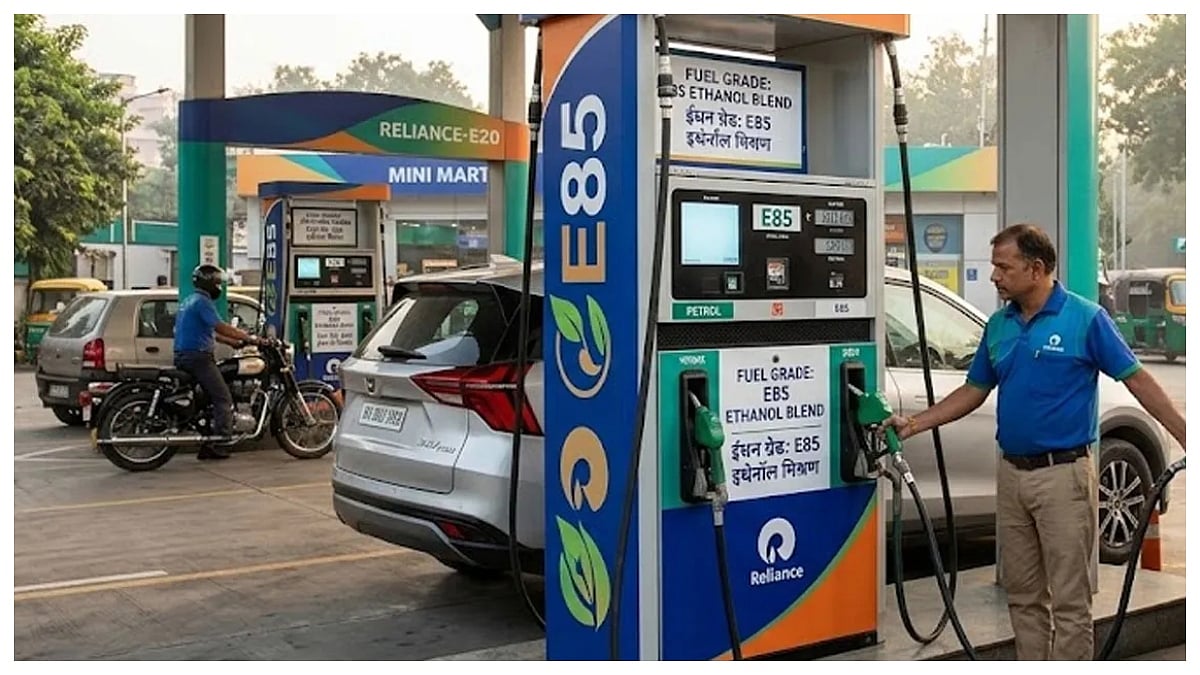
The government has also introduced E85 fuel for compatible flex-fuel vehicles, further expanding the use of cleaner fuel alternatives across the country.

